Religious Significance of Camphor in Hindu Worship and Aarti
Discover the religious and spiritual significance of camphor in Hinduism. Learn why camphor is burned during Aarti, its symbolism, traditional beliefs, and its importance in Hindu rituals.
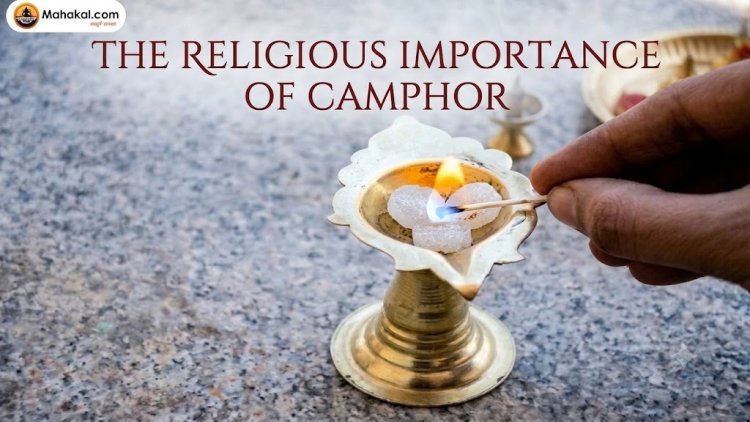
Religious Significance of Camphor: Why Is Camphor Used in Hindu Worship and Aarti? Discover Its Spiritual Meaning and Ancient Beliefs
Hinduism is one of the world's oldest spiritual traditions, with a rich collection of religious rituals, customs, and devotional practices. In Hindu worship, different sacred items such as flowers, incense sticks, sandalwood, lamps, water, rice grains, and camphor are used to express devotion and respect toward God. Each of these items carries its own religious and symbolic significance.
Among these sacred offerings, camphor holds a special place in Hindu पूजा traditions. It is commonly used during Aarti, the devotional ritual performed at the end of a prayer or religious ceremony. Whether in a small home temple or a grand Hindu temple, burning camphor during Aarti is a familiar and meaningful tradition.
When devotees light camphor, it produces a bright flame and releases a distinctive fragrance. One of its remarkable characteristics is that pure camphor generally burns completely without leaving a noticeable solid residue. In Hindu spiritual traditions, this quality is associated with sacrifice, purity, selflessness, and complete surrender to God.
According to traditional beliefs, just as camphor burns itself while spreading its fragrance, human beings should also give up their ego, negative thoughts, and selfish desires and spread love, kindness, and positivity through their actions.
But have you ever wondered why camphor is specifically used during Aarti? What is the spiritual meaning behind its flame? Why is burning camphor considered an important part of Hindu worship?
Let us explore the religious significance, spiritual symbolism, traditional beliefs, and different uses of camphor in Hinduism.
1. Religious Significance of Camphor in Hinduism
Camphor is considered an important item in traditional Hindu worship. It is commonly used during daily prayers, temple rituals, religious ceremonies, and special occasions.
According to Hindu religious beliefs, camphor symbolizes purity, devotion, sacrifice, and spiritual surrender. Its use during worship is associated with creating a devotional atmosphere and expressing gratitude toward the Divine.
One of the most interesting characteristics of pure camphor is that it generally burns without leaving a noticeable solid residue. This quality has a symbolic meaning in Hindu spirituality. It represents the idea that a person should gradually remove ego, pride, jealousy, anger, and selfishness from life.
Camphor reminds devotees that true devotion is not only about performing rituals but also about developing good qualities, maintaining humility, helping others, and following the path of righteousness.
Therefore, camphor is not merely a material used in पूजा; it also represents an important spiritual message.
2. Why Is Camphor Burned During Aarti?
Aarti is one of the most important devotional practices in Hinduism. It is performed to express love, gratitude, faith, and respect toward God.
During Aarti, devotees light a traditional lamp or camphor and gently move its flame in front of the deity while singing devotional hymns and prayers.
There are several traditional reasons why camphor is used during this ritual.
Symbol of Complete Surrender
Camphor burns completely and disappears. According to spiritual symbolism, this represents surrendering one's ego and selfish desires to God.
It teaches devotees that a person should not allow pride and arrogance to control their life. Instead, they should develop humility and surrender their actions to the Divine.
Symbol of Purity
The fragrance released by burning camphor creates a pleasant atmosphere during worship. In Hindu traditions, this fragrance is associated with purity and auspiciousness.
Expression of Devotion and Faith
Burning camphor during Aarti is considered an expression of devotion and faith. When devotees offer the flame to the deity, they pray with a peaceful mind and a sincere heart.
Symbol of Light Over Darkness
The flame of camphor represents light, knowledge, and spiritual awareness. In Hindu philosophy, light is often associated with knowledge, while darkness symbolizes ignorance.
Therefore, the camphor flame reminds devotees to move away from ignorance and follow the path of truth, wisdom, and righteousness.
3. Spiritual Mystery Behind Camphor Burning Completely
One of the most interesting characteristics of camphor is that pure camphor generally burns without leaving a noticeable solid residue.
In Hindu spiritual traditions, this quality is associated with a deeper meaning: the removal of ego and complete surrender to God.
Just as camphor burns and spreads its fragrance before disappearing, human beings should also try to make their lives meaningful through kindness, good deeds, and selfless service.
The spiritual lessons associated with camphor include:
-
Giving up ego and arrogance.
-
Developing faith and devotion toward God.
-
Performing good deeds without selfish expectations.
-
Avoiding negative thoughts and unnecessary anger.
-
Spreading love, kindness, and positivity.
-
Surrendering one's actions to the Divine.
This is why camphor is traditionally considered a symbol of sacrifice, purity, and spiritual dedication.
4. How Did the Tradition of Burning Camphor Begin in Hindu Worship?
The use of fragrant substances has been an important part of Indian religious traditions for centuries.
Ancient Hindu worship practices included the use of incense, fragrant herbs, lamps, and other aromatic materials during prayers, Yajnas, and religious ceremonies.
Camphor gradually became an important part of these devotional practices, particularly during Aarti.
Today, burning camphor during Aarti is a common tradition in Hindu temples and households across India.
It is used during the worship of several Hindu deities, including Lord Shiva, Lord Vishnu, Goddess Durga, Lord Ganesha, and Lord Hanuman.
Although customs may differ between regions and families, the underlying purpose remains the same: expressing devotion, gratitude, and surrender to God.
5. Religious Significance of Camphor in Lord Shiva's Worship
Camphor holds a special place in the worship of Lord Shiva.
Devotees frequently use camphor during Shiva Aarti, especially on Mondays, during Pradosh Vrat, Maha Shivaratri, and other auspicious occasions.
Lord Shiva is traditionally associated with meditation, renunciation, detachment, and spiritual knowledge.
The burning of camphor is symbolically connected with these qualities because it represents the removal of ego and attachment.
When devotees perform Aarti using camphor, they pray to Lord Shiva for peace, wisdom, spiritual growth, and freedom from negative thoughts.
For many Shiva devotees, the camphor flame represents the desire to surrender worldly attachments and develop a deeper connection with the Divine.
6. Importance of Camphor in the Aarti of Goddess Durga and Other Deities
Camphor is also widely used during the worship of Goddess Durga, Goddess Lakshmi, Goddess Saraswati, and other Hindu deities.
During festivals such as Navratri, Diwali, Ganesh Chaturthi, and Krishna Janmashtami, devotees commonly perform Aarti using camphor.
According to traditional beliefs, the camphor flame represents purity, auspiciousness, and devotion.
Devotees offer Aarti to express their gratitude and seek divine blessings for happiness, prosperity, good health, and family well-being.
In many households, camphor Aarti is considered an important concluding part of daily worship.
7. Different Religious Uses of Camphor in Hinduism
Camphor is not limited to Aarti. It is used in several religious activities and traditional Hindu ceremonies.
1. Daily Worship
Many Hindu families burn camphor during morning or evening prayers at their home temples. It is used as part of their regular devotional routine.
2. Aarti Rituals
Camphor is commonly used during Aarti to express devotion and gratitude toward the deity.
3. Havan and Religious Ceremonies
Some Hindu traditions use camphor during Havan and special religious rituals as part of the offerings.
4. Temple Worship
Camphor is frequently used during special temple Aartis and devotional ceremonies.
5. Religious Festivals
During Diwali, Navratri, Maha Shivaratri, and other festivals, devotees use camphor during prayers and Aarti.
6. Griha Pravesh and Auspicious Occasions
Many families traditionally burn camphor during housewarming ceremonies and other auspicious occasions as part of their prayers.
8. The Correct Way to Use Camphor During Puja and Aarti
Camphor is generally used toward the conclusion of traditional Hindu worship.
Although practices may differ according to family traditions and regional customs, the following is a commonly followed method.
Step-by-Step Puja Method
-
Take a bath and wear clean clothes before beginning the पूजा.
-
Clean the worship area and arrange the necessary पूजा materials.
-
Place the idol or picture of the deity in the designated worship area.
-
Light a traditional oil or ghee lamp in front of the deity.
-
Offer flowers, sandalwood, rice grains, and other पूजा items.
-
Place a small piece of camphor in a suitable Aarti holder.
-
Carefully light the camphor.
-
Move the burning camphor in front of the deity while reciting prayers or devotional hymns.
-
Offer your prayers with folded hands and a peaceful mind.
-
Conclude the worship by seeking blessings for happiness, peace, and prosperity.
Always use a suitable fire-resistant Aarti holder and keep burning camphor away from children, curtains, and other flammable materials.
9. Different Types of Camphor and Which One Should Be Used for Puja
Camphor is available in different forms in the market. Understanding the basic differences can help devotees choose suitable camphor for religious purposes.
Natural Camphor
Natural camphor is an aromatic substance obtained from certain plants, particularly the camphor tree. It has traditionally been used in religious practices and other applications.
Synthetic Camphor
Synthetic camphor is manufactured through chemical processes. A large number of commercially available camphor products are produced synthetically.
Bhimseni Camphor
Bhimseni camphor is traditionally known as a form of natural camphor. It is commonly associated with religious practices and certain traditional household uses.
When purchasing camphor for worship, devotees should choose good-quality products from reliable sources. Product labels and ingredients should be checked rather than assuming that every product sold under a particular name is completely natural.
10. What Happens to the Environment When Camphor Is Burned?
Camphor releases a distinctive fragrance when burned. This is one of the reasons it has traditionally been used during Hindu religious ceremonies.
Many people find its fragrance pleasant and associate it with a peaceful atmosphere during prayer and meditation.
Burning camphor is traditionally believed to make the surroundings feel fresh and suitable for worship. However, it is important to distinguish religious beliefs from scientifically established facts.
There is not sufficient scientific evidence to claim that burning camphor eliminates all harmful microorganisms or completely purifies indoor air.
Camphor should always be burned in limited quantities in a properly ventilated area. Excessive exposure to its smoke or vapours may cause discomfort, particularly for people sensitive to strong fragrances.
11. Religious Beliefs and Spiritual Symbolism Associated with Camphor
Several religious and spiritual beliefs are associated with camphor in Hinduism.
Some of the most commonly understood beliefs include:
-
Burning camphor is traditionally associated with purity and auspiciousness.
-
Its fragrance is considered suitable for creating a devotional atmosphere.
-
Its complete burning symbolizes the removal of ego.
-
Offering camphor during Aarti represents devotion and surrender to God.
-
Its flame symbolizes knowledge, light, and spiritual awareness.
-
Camphor reminds devotees to follow the path of humility and selfless service.
These beliefs encourage people to develop positive qualities and maintain faith in their spiritual journey.
12. Should Camphor Be Burned During Daily Worship?
Daily worship is an important part of Hindu tradition. Many families perform morning and evening prayers and include camphor Aarti in their daily routine.
However, burning camphor every day is not compulsory. Devotees can worship God with equal sincerity without using camphor.
The most important aspects of worship are faith, devotion, a pure intention, and good actions.
If you choose to burn camphor daily, use a small quantity and ensure proper ventilation. Avoid excessive smoke and never leave burning camphor unattended.
13. What Life Lessons Does Camphor Teach Us?
The significance of camphor goes beyond religious rituals. Its symbolic meaning also offers valuable lessons for everyday life.
Let Go of Ego
The complete burning of camphor symbolizes the removal of arrogance and pride. It reminds us to remain humble in our thoughts and actions.
Practice Selfless Service
Camphor is traditionally associated with sacrifice and surrender. Similarly, human beings should help others without always expecting something in return.
Spread Positivity
Just as camphor releases its fragrance while burning, people should spread kindness, happiness, and positivity through their actions.
Develop Devotion
Camphor Aarti reminds devotees to maintain faith and develop a sincere relationship with God.
Follow the Path of Truth
The flame symbolizes light and knowledge, encouraging people to move away from ignorance and follow the path of truth and righteousness.
These lessons make camphor an important symbol in Hindu spiritual traditions.
Conclusion: Why Does Camphor Hold a Special Place in Hindu Worship?
Camphor has a special religious and spiritual significance in Hinduism. It has been an important part of traditional worship, Aarti, Havan, and various religious ceremonies for generations.
Its ability to burn almost completely without leaving a noticeable solid residue is traditionally associated with sacrifice, the removal of ego, and complete surrender to God.
The fragrance of camphor adds a distinctive element to devotional practices, while its flame symbolizes light, knowledge, and spiritual awareness.
Beyond its ritual importance, camphor teaches an important lesson about life: just as it spreads its fragrance while burning, human beings should spread love, kindness, compassion, and positivity through their actions.
Therefore, the next time you perform Aarti with camphor, remember that it is not simply a religious custom. It also represents a beautiful spiritual message of devotion, humility, sacrifice, and surrender to the Divine.
Camphor reminds us that true spirituality is not limited to rituals. It is reflected in our thoughts, behaviour, kindness, and the way we treat others.
What's Your Reaction?