Who Is Nagarkot Ki Rani Mata of Ujjain? Discover the Beliefs, History and Spiritual Significance of This Ancient Temple
Discover who Nagarkot Ki Rani Mata is, why she is worshipped as the guardian goddess of ancient Ujjain, and learn about the temple's historical background, religious beliefs and spiritual importance.
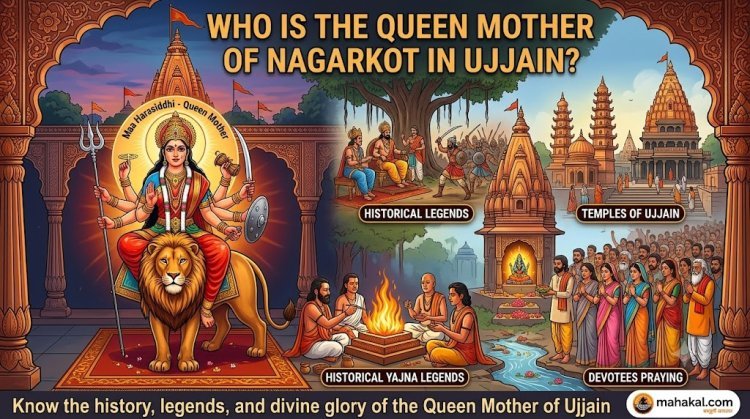
Who Is Nagarkot Ki Rani Mata of Ujjain? Discover the Beliefs, History and Spiritual Significance of This Ancient Temple
Introduction: Who Is the Guardian Goddess of Ujjain?
Ujjain, one of the most important religious cities in Madhya Pradesh, is widely known for the sacred Mahakaleshwar Jyotirlinga. Devotees from different parts of India and abroad visit the city to seek the blessings of Lord Mahakal.
However, Ujjain's spiritual identity extends beyond its famous Shiva temple. The city is also home to several revered goddess temples, including Harsiddhi Mata, Gadkalika Mata and Nagarkot Ki Rani Mata.
Among these sacred places, the Nagarkot Ki Rani Mata Temple holds a special place in local religious tradition. Devotees worship the goddess as a guardian of ancient Ujjain and believe that she represents divine strength, protection and spiritual power.
But who is Nagarkot Ki Rani Mata? Why is she known as the queen of Nagarkot? What is the connection between her temple and the ancient boundaries of Ujjain? Let us explore the temple's religious beliefs, historical associations and spiritual significance.
1. Who Is Nagarkot Ki Rani Mata?
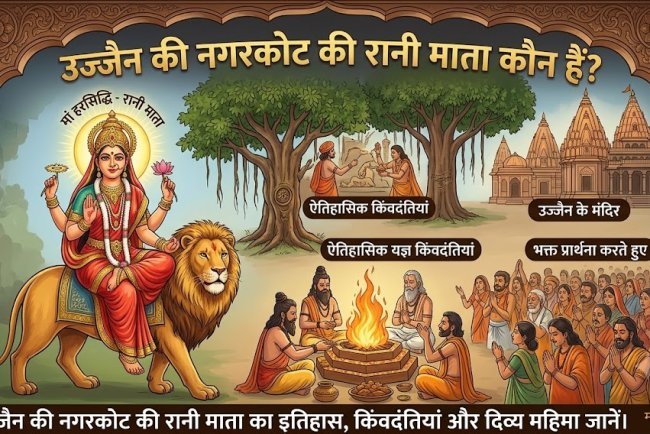
Nagarkot Ki Rani Mata is a revered goddess worshipped in Ujjain, Madhya Pradesh. In local religious tradition, she is associated with Goddess Durga and is regarded as a protective form of divine feminine power.
In Hinduism, the goddess represents strength, courage, protection and the power to overcome difficulties. Devotees visit Nagarkot Mata to offer prayers for peace, family well-being and the prosperity of their community.
The temple forms part of Ujjain's wider tradition of goddess worship, which includes several ancient shrines associated with different forms of Shakti.
For local devotees, Nagarkot Ki Rani Mata is more than the presiding deity of a temple. She represents the spiritual guardianship of the ancient city.
2. Why Is She Called Nagarkot Ki Rani?
The name Nagarkot Ki Rani carries an important connection to the historical idea of a protected city.
The word “Nagar” means city, while “Kot” is associated with a fort, fortified boundary or defensive enclosure. In ancient India, many settlements had protective walls or boundaries around them.
According to local historical and religious traditions, the Nagarkot Mata shrine is associated with the old boundary of Ujjain. This association helped establish the belief that the goddess protects the city and its inhabitants.
Over time, the name Nagarkot Ki Rani became part of the temple's religious identity.
The name therefore reflects not only devotion to the goddess but also the relationship between ancient urban life, territorial protection and local religious traditions.
3. The Belief That Nagarkot Mata Protects Ujjain
Devotees traditionally regard Nagarkot Mata as a guardian goddess of Ujjain. People pray to her for the well-being of their families, the safety of their community and the prosperity of the city.
In Indian religious culture, the worship of village deities, regional guardians and protective goddessesha s a long history. These deities are often associated with the spiritual protection of a particular settlement or geographical area.
The worship of Nagarkot Mata can be understood within this broader tradition of local protective deities.
It is important to distinguish religious belief from independently established historical fact. The goddess's protective role is a matter of faith and cultural tradition, making it an important part of Ujjain's living spiritual heritage.
4. The Temple's Historical Background and Ujjain's Heritage
Ujjain has been an important centre of religion, learning and culture for centuries. Shaiva, Shakta, Vaishnava and Nath traditions have all contributed to the city's rich spiritual history.
The Nagarkot Ki Rani Mata Temple is associated with Ujjain's ancient goddess-worship traditions. Published accounts connect the surrounding area with the old city boundary and the Nath tradition.
Historical descriptions also mention an ancient water tank near the temple, believed to date from the Paramara period. The surrounding religious structures provide insight into the region's architectural and cultural heritage.
However, the exact foundation date of the temple and the chronology of its different historical phases should not be stated with certainty without reliable documentary or archaeological evidence.
Even so, the temple remains an important site for understanding Ujjain's local religious history and the continuing traditions of goddess worship.
5. Nagarkot Mata and the Religious Tradition of the Skanda Purana
The Skanda Purana, particularly traditions associated with the Avanti region, is an important source of religious narratives connected with Ujjain, which was historically known as Avantika.
Published accounts about Nagarkot Mata refer to the goddess within the wider religious traditions of the Avanti region. Some descriptions also associate her with the group of nine Matrikas, or mother goddesses, and identify her as the seventh goddess in that tradition.
The Matrika tradition represents different expressions of divine feminine power, often associated with protection, strength and the removal of negative forces.
These traditions help explain the religious significance attributed to Nagarkot Mata.
When discussing scriptural references, it is important to distinguish interpretations and local traditions from verified quotations in the original text. Specific verses or claims should be checked against a reliable edition before being presented as direct scriptural evidence.
6. Local Traditions Linking Nagarkot Mata with King Vikramaditya
Ujjain is closely associated with stories about the legendary King Vikramaditya, who is remembered in Indian folklore as a courageous, wise and just ruler.
Local traditions connected with the Nagarkot Mata Temple also refer to King Vikramaditya and King Bhartrihari. These stories often reflect themes of devotion, royal responsibility and the protection of the city.
In traditional Indian society, rulers frequently sought divine blessings before important undertakings. Stories of kings worshipping protective deities form part of a wider cultural tradition.
However, not every story associated with Vikramaditya can be treated as a verified historical event. These accounts are best understood as elements of local folklore and religious memory unless supported by independent historical evidence.
7. Why Is Nagarkot Mata Worshipped During Navratri?
Navratri is one of the most important Hindu festivals dedicated to Goddess Durga and the many manifestations of Shakti.
During these nine days, devotees participate in prayers, fasting, mantra chanting, devotional singing and other religious observances.
Ujjain's goddess temples become especially significant during Navratri. Devotees visit Nagarkot Ki Rani Mata to offer prayers and seek blessings for peace, courage and well-being.
According to local tradition, visiting Nagarkot Mata is considered an important part of a broader pilgrimage to Ujjain's goddess temples. Some devotees regard her darshan as an essential part of their Navratri visit.
The atmosphere during the festival is marked by devotion, worship and special religious activities. Visitor numbers and temple arrangements may vary depending on the day and the festival schedule.
8. What Do Devotees Pray for at Nagarkot Mata Temple?
Devotees visit the temple with different prayers and personal hopes. Common themes include the following.
Peace and harmony within the family: Visitors pray for understanding, happiness and unity among family members.
Courage during difficult times: As the goddess represents strength, devotees seek the confidence to face personal and professional challenges.
The prosperity of Ujjain: The local belief in Nagarkot Mata as the city's guardian inspires prayers for the welfare and well-being of the community.
Mental peace and spiritual strength: Prayer, devotional singing and participation in worship may help devotees feel calmer and more connected to their faith.
These are expressions of religious belief and personal devotion, not guarantees that a particular wish will be fulfilled.
9. The Ancient Water Tank Near the Temple
One of the notable features mentioned in published descriptions of the Nagarkot Mata Temple is an ancient water tank believed to date from the Paramara period.
Water tanks, ponds, stepwells and other water structures were important features of traditional Indian settlements. They supported daily life, water storage, community activities and certain religious practices.
The water tank associated with the Nagarkot Mata Temple provides an additional connection to the historical landscape of Ujjain.
Visitors can appreciate the importance of these old structures as part of the city's cultural heritage. Preserving their cleanliness and protecting them from damage are important responsibilities for both visitors and the local community.
10. The Association with Lord Kartikeya
Published descriptions of the temple's surrounding area also mention a small ancient shrine associated with Lord Kartikeya, the son of Lord Shiva and Goddess Parvati.
Lord Kartikeya is traditionally worshipped as the commander of the divine army and is associated with courage, strength and victory.
The presence of religious sites dedicated to different deities in the wider temple area reflects the diversity of Ujjain's spiritual landscape.
Such shrines are important not only for religious worship but also for understanding the artistic, architectural and cultural traditions that developed in the region.
11. Nagarkot Ki Rani Mata and Ujjain's Goddess Temples
Ujjain is home to several important temples dedicated to the divine feminine, each with its own religious identity.
Harsiddhi Mata Temple is associated with Shakti Peetha traditions. Gadkalika Mata Temple is known for its ancient goddess-worship tradition and local associations with the poet Kalidasa. Nagarkot Ki Rani Mata, meanwhile, is particularly associated with the traditional belief in the spiritual protection of the ancient city.
The legends and religious significance of these temples are not identical. Together, however, they demonstrate the richness of Ujjain's Shakta traditions and cultural heritage.
For pilgrims visiting Ujjain, exploring these different shrines offers a broader understanding of the city's spiritual identity beyond its most famous temples.
12. How to Visit Nagarkot Ki Rani Mata Temple
Nagarkot Ki Rani Mata Temple is located in Ujjain, Madhya Pradesh. Visitors can reach the area using local transport or a private vehicle.
A few practical points can help make your visit more convenient:
-
Confirm the current temple opening hours before travelling.
-
Expect larger crowds during Navratri and other major religious occasions.
-
Follow the temple's local rules regarding offerings and worship.
-
Maintain cleanliness and respect the religious practices of other visitors.
-
Avoid damaging ancient water structures or archaeological features.
-
Follow local rules regarding photography inside the temple premises.
The temple can be visited throughout the year, while Navratri is a particularly significant period for devotees of the goddess.
13. The Spiritual Message of Nagarkot Ki Rani Mata
The worship of Nagarkot Mata represents strength, protection and a sense of responsibility towards one's community.
The goddess's symbolism encourages devotees to face challenges with courage, care for their families and contribute positively to society.
The idea of a guardian goddess also carries a broader social message: the true protection of a city depends not only on its physical boundaries but also on the unity, mutual respect, ethical conduct and cooperation of its residents.
In this sense, Nagarkot Ki Rani Mata Temple represents both religious devotion and the cultural memory of ancient Ujjain.
Conclusion: Why Is Nagarkot Ki Rani Mata Temple Important?
Nagarkot Ki Rani Mata Temple is an important part of Ujjain's religious heritage, connected with ancient goddess worship, local traditions and the historical idea of the city's boundaries.
Its association with the old Nagarkot, references to an ancient water tank, connections with the Nath tradition and special importance during Navratri make it a distinctive religious destination.
Devotees visiting Ujjain for the darshan of Lord Mahakal may also include Nagarkot Ki Rani Mata Temple in their spiritual journey. Visitors come to offer prayers and seek blessings for their families, community and the well-being of the city.
The tradition of Nagarkot Ki Rani Mata reminds us that Ujjain is not only a city of famous temples but also a living centre of faith, culture and spiritual heritage.
Jai Mata Di!
What's Your Reaction?