14 Avatars : Are There Really 14 Avatars of Lord Vishnu? What Scriptures Actually Say
Discover the truth about the 14 avatars of Lord Vishnu, their significance, types, and what Hindu scriptures really say about divine incarnations. Learn how these avatars restore Dharma and guide humanity. Read complete details through Mahakal.com blog.
14 Avatars : Are There Really 14 Avatars of Lord Vishnu? What Scriptures Actually Say
1. Introduction to Avatara (Incarnation)
The word “Avatara” is derived from the Sanskrit term avatarati, meaning “one who descends” from the divine realm to Earth. In Hindu philosophy, Lord Vishnu takes various incarnations to restore Dharma (cosmic order) whenever it is disturbed by evil forces.
Each avatar appears in a different form depending on the needs of the time, ensuring balance between good and evil. These incarnations are not just about destruction of evil but also about guiding humanity, protecting devotees, and maintaining universal harmony.
The concept of incarnation also reflects the idea of divine intervention in worldly affairs, where God assumes a physical form to re-establish righteousness.
Experience Sanatan Dharma at Your Space, Download the Mahakal.com App Today.
2.Types of Avatars
Hindu scriptures describe multiple types of incarnations of Vishnu :
- Purusha Avatars – Cosmic forms involved in creation (Mahavishnu, Garbhodakasayi, Ksirodakasayi)
- Lila Avatars – Divine play forms like Rama and Krishna
- Guna Avatars – Represent three qualities (Brahma–creation, Vishnu–preservation, Shiva–destruction)
- Manvantara Avatars – Appear in different cosmic ages (Manvantaras)
- Yuga Avatars – Manifest in each Yuga (Satya, Treta, Dwapara, Kali)
- Saktyavesa Avatars – Empowered beings with divine energy
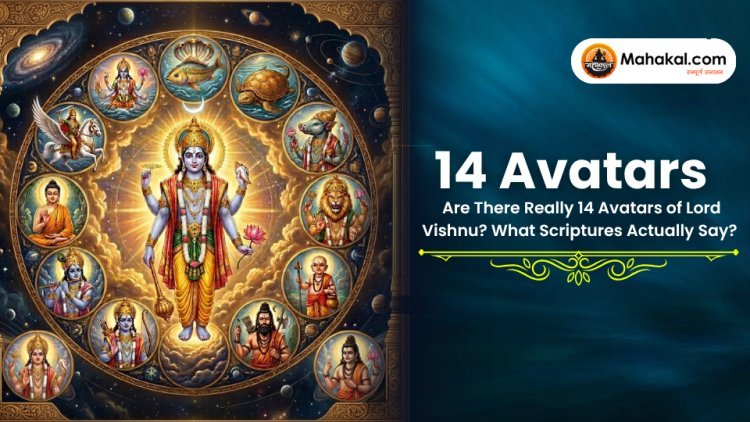
3.14 Major Avatars of Lord Vishnu
1. Matsya (Fish Avatar)
Appeared during Satya Yuga to save humanity from a great flood. Guided King Manu’s boat carrying seeds, sages, and life forms, ensuring the continuation of life on Earth.
2. Kurma (Tortoise Avatar)
Took the form of a giant tortoise to support Mount Mandara during the churning of the ocean (Samudra Manthan), enabling gods and demons to obtain Amrit (nectar of immortality).
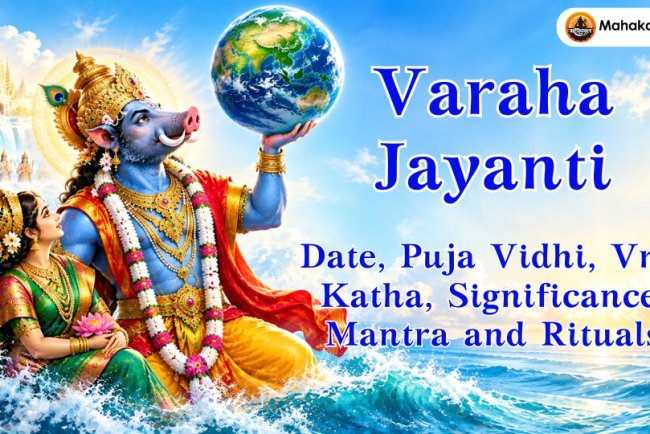
3. Varaha (Boar Avatar)
Rescued Earth (Bhudevi) from the demon Hiranyaksha, who had submerged it in cosmic waters. Varaha lifted Earth on his tusks and restored balance.
4. Narasimha (Man-Lion Avatar)
A fierce form that destroyed Hiranyakashipu, proving that divine power transcends all conditions (neither man nor animal, neither day nor night).
5. Vamana (Dwarf Avatar)
Appeared as a humble Brahmin to defeat King Bali. Covered the universe in three steps and taught the lesson of humility and surrender to God.
6. Parashurama (Warrior Sage)
A fierce Brahmin warrior who eliminated corrupt rulers 21 times and restored Dharma. He is considered a Chiranjivi (immortal) and appears in both Ramayana and Mahabharata.
7. Lord Rama
The ideal king and embodiment of righteousness. His life story in the Ramayana teaches duty, sacrifice, and moral values. He defeated Ravana and upheld Dharma.
8. Balarama
Elder brother of Krishna, symbol of strength and agriculture. Known for his mastery in mace fighting and for guiding warriors like Bhima and Duryodhana.
9. Lord Krishna
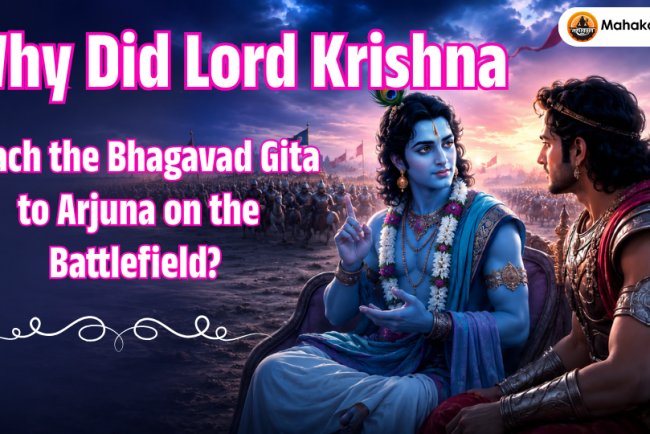
One of the most significant avatars who guided humanity through the teachings of the Bhagavad Gita. He destroyed evil rulers and emphasized karma, bhakti, and dharma.
10. Buddha
Appeared during Kali Yuga to promote non-violence, compassion, and self-realization. He discouraged blind rituals and emphasized inner spiritual growth.
Additional 4 Important Avatars
11. Kalki (Future Avatar)
The final avatar who is yet to appear at the end of Kali Yuga. He will ride a white horse and destroy evil, marking the beginning of a new Satya Yuga.
12. Vyasa (The Compiler)
Considered an Amshavatara (partial incarnation) of Vishnu; he divided the Vedas into four parts (Rig, Yajur, Sama, Atharva) and authored the Mahabharata, Puranas, and Brahma Sutras.
13. Mohini
A beautiful female form used to distribute Amrit among gods and defeat demons through intelligence and illusion.
14. Nara-Narayana
Twin sage avatars symbolizing eternal penance, discipline, and devotion, showing the path of spiritual practice.
4.Teachings from Bhagavad Gita
In the Bhagavad Gita, Lord Krishna explains the purpose of incarnation:
“Whenever there is a decline in righteousness and rise of unrighteousness, I manifest myself.” (4:7)
This highlights that divine intervention is cyclical and necessary to maintain balance in the universe.
5.Scientific Analogy (Evolution Connection)
The sequence of Vishnu’s avatars symbolically aligns with evolution:
- Fish → Aquatic life
- Tortoise → Amphibian
- Boar → Land animal
- Narasimha → Half-animal, half-human
- Vamana → Early human
- Rama & Krishna → Advanced human consciousness
This reflects a philosophical link between ancient spirituality and modern evolutionary theory.
6.Summary & Spiritual Insight
Lord Vishnu is often depicted resting on Sheshnag, symbolizing calmness amidst chaos. His avatars teach us:
- Dharma will always prevail over Adharma
- Divine help comes when needed
- Balance, patience, and righteousness are essential in life
These incarnations are not just mythological stories but timeless lessons guiding humanity toward truth and harmony.
Conclusion
The concept of avatars of Lord Vishnu beautifully illustrates how divine power continuously works to protect righteousness and eliminate evil across different ages. Each of the 14 major avatars carries a unique purpose, teaching humanity important values such as truth, humility, courage, devotion, and self-realization.
From saving life during cosmic destruction to guiding humanity through wisdom in the Bhagavad Gita, these incarnations highlight that Dharma is eternal but must be restored again and again.
Ultimately, the message is clear :
Whenever imbalance arises in the world or within ourselves, the path of Dharma, as shown by Vishnu’s avatars, is the way to restore peace, harmony, and purpose in life.
- 14 avatars of Lord Vishnu explained
- Are there really 14 avatars of Vishnu
- Vishnu avatars according to scriptures
- Vishnu ke 14 avatar kaun kaun se hain
- Dashavatar vs 14 avatars difference
- Vishnu avatar list with meaning in Hindi
- Why Lord Vishnu takes avatars
- Vishnu avatars story in simple language
shri-vishnu-sahasranama-parayana
What's Your Reaction?