Andal Jayanti 2026: Date, Puja Vidhi, Significance, Story & Rituals
Andal Jayanti 2026 falls on August 14. Know Aadi Pooram date, Andal Jayanti Puja Vidhi, rituals, religious significance, Andal story, Tiruppavai and celebrations.
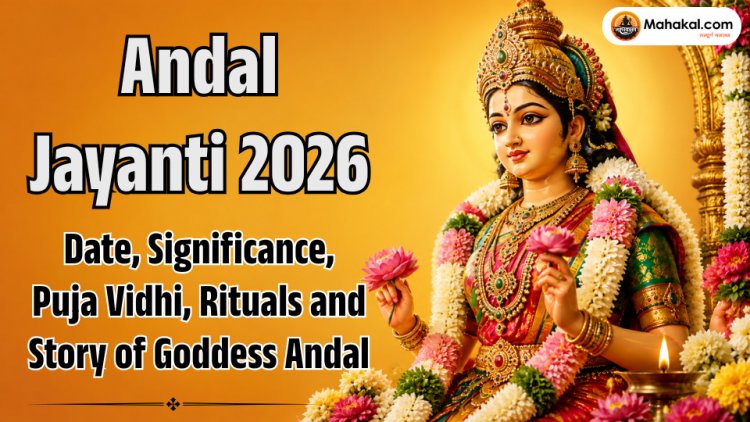
Andal Jayanti 2026: Date, Significance, Puja Vidhi, Rituals and Story of Goddess Andal
Andal Jayanti 2026, also known as Aadi Pooram, is an important festival dedicated to Andal, the only female Alvar saint in the Sri Vaishnava tradition. In 2026, Andal Jayanti will be observed on Friday, August 14. The festival is celebrated during the Tamil month of Aadi on the Pooram Nakshatra.
Andal is revered for her deep devotion to Lord Vishnu and her spiritual compositions, especially Tiruppavai and Nachiyar Tirumoli. Her life is remembered as an inspiring example of unconditional devotion and complete surrender to the Divine.
Andal Jayanti 2026 Date
Festival: Andal Jayanti / Aadi Pooram
Date: Friday, August 14, 2026
Tamil Month: Aadi
Nakshatra: Pooram
The exact Puja timings can vary by location because they depend on the local Panchang and the duration of the Pooram Nakshatra. Devotees should check their local Panchang for location-specific timings.
Who Was Andal?
Andal, also known as Goda Devi, Kodhai, and Nachiyar, is one of the twelve Alvars, the revered Vaishnava poet-saints of South India. She is traditionally regarded as the only female Alvar.
According to tradition, Periyalvar, a devoted worshipper of Lord Vishnu in Srivilliputhur, found a baby girl near a Tulsi plant in his temple garden and raised her as his daughter. She was named Godhai, later known as Andal.
Andal grew up with intense devotion to Lord Vishnu. Her spiritual longing eventually came to be expressed as the desire to unite with Lord Ranganatha of Srirangam.
The Story of Andal
One of the most beloved stories associated with Andal concerns the flower garlands prepared for Lord Vishnu.
Periyalvar would prepare beautiful garlands for the deity. According to tradition, Andal would secretly wear the garland before it was offered to the Lord. When Periyalvar discovered this, he was upset because he believed that the garland should be offered untouched.
However, the tradition says that Lord Vishnu revealed that He cherished the garlands worn by Andal because they represented her pure devotion. This episode became an important part of Andal's devotional legacy.
The story symbolizes a central message of bhakti: pure love and sincere devotion are more important than external appearances.
Religious Significance of Andal Jayanti
Andal Jayanti is particularly important for devotees of Lord Vishnu and followers of Sri Vaishnavism.
Andal is revered as an embodiment of devotion and is traditionally associated with Bhudevi, the divine Earth goddess. Her devotional poetry continues to be recited in Vishnu temples and homes.
Her most famous work, Tiruppavai, consists of 30 devotional verses and is especially prominent during the Tamil month of Margazhi. Her other major work, Nachiyar Tirumoli, expresses intense devotional longing for the Divine.
The festival therefore celebrates not only Andal's birth but also her teachings of devotion, surrender, faith, and spiritual love.
Andal Jayanti Puja Vidhi
Devotees can observe Andal Jayanti with simple devotional rituals according to their family and temple traditions.
Simple Puja Procedure
- Wake up early and take a bath.
- Clean the Puja area and decorate it with flowers or Kolam.
- Place an image or idol of Goddess Andal and Lord Vishnu.
- Light a diya and incense.
- Offer fresh flowers, Tulsi leaves, fruits, and traditional Prasad.
- Recite prayers dedicated to Andal and Lord Vishnu.
- Read or listen to verses from Tiruppavai.
- Offer Naivedyam and perform Aarti.
- Seek the blessings of Andal and Lord Vishnu.
- Distribute Prasad among family members and devotees.
Puja practices can differ between temples and regional traditions.
What to Offer on Andal Jayanti?
Devotees may offer:
- Fresh flowers
- Tulsi leaves
- Fruits
- Traditional sweets
- Sweet Pongal
- Kalkandu rice
- Homemade Prasad
- Traditional flower garlands
At temples, Andal is often beautifully decorated with flowers, silk garments, jewellery, and other ornaments as part of the festival celebrations.
Andal Jayanti Rituals and Celebrations
Andal Jayanti is celebrated with special rituals in many Vishnu temples, particularly in Tamil Nadu.
The Srivilliputhur Andal Temple is especially associated with the festival. The temple is one of the 108 Divya Desams and is closely connected with Andal and Periyalvar. During Aadi Pooram, special Puja and processions are held, attracting large numbers of devotees.
Depending on the temple tradition, celebrations can include:
- Special Abhishekam
- Andal Alankaram
- Special Puja
- Tiruppavai recitation
- Flower offerings
- Processions
- Traditional music and devotional programs
- Divine wedding ceremonies
- Distribution of Prasad
Why is Aadi Pooram Important?
Aadi Pooram is the Nakshatra associated with Andal's birth in the Tamil month of Aadi. It is therefore celebrated as Andal Jayanti.
The festival also has importance in certain Shakti traditions, where Aadi Pooram is observed as a festival celebrating feminine divine energy.
Andal and Lord Vishnu
Andal's devotion was centered on Lord Vishnu, particularly Lord Ranganatha of Srirangam.
Her devotional poetry portrays the relationship between the devotee and the Divine with extraordinary emotional intensity. For devotees, Andal represents complete surrender and unwavering faith.
Her story continues to inspire people because it presents devotion not simply as ritual, but as a deeply personal relationship with God.
Andal Jayanti and Tiruppavai
Tiruppavai is one of Andal's most celebrated works. It contains 30 devotional verses dedicated to Lord Vishnu and is an important part of Sri Vaishnava worship.
The verses are especially recited during Margazhi, but Andal's devotional legacy is remembered throughout the year.
How to Celebrate Andal Jayanti at Home
Devotees who cannot visit a temple can observe Andal Jayanti at home by:
- Cleaning and decorating the Puja room.
- Creating a traditional Kolam.
- Placing an image of Andal.
- Offering flowers and Tulsi.
- Reciting Tiruppavai.
- Preparing traditional Prasad.
- Performing Vishnu Puja.
- Listening to devotional songs about Andal.
- Sharing food or Prasad with others.
The focus should remain on sincere devotion rather than elaborate arrangements.
Andal Jayanti 2026: Key Takeaway
Andal Jayanti 2026 will be celebrated on Friday, August 14. Also known as Aadi Pooram, the festival honours Andal's birth and her extraordinary devotion to Lord Vishnu.
From the sacred traditions of Srivilliputhur to the timeless verses of Tiruppavai, Andal's life represents faith, devotion, surrender, and divine love. Devotees can celebrate the occasion through Puja, prayer, Tiruppavai recitation, flower offerings, and participation in temple festivities.
Frequently Asked Questions About Andal Jayanti 2026
When is Andal Jayanti 2026?
Andal Jayanti 2026 will be observed on Friday, August 14, 2026, according to the 2026 Tamil festival calendar.
What is another name for Andal Jayanti?
Andal Jayanti is also known as Aadi Pooram or Aadi Puram.
Who is Goddess Andal?
Andal is a revered Vaishnava saint and the only female among the twelve Alvars. She is celebrated for her devotion to Lord Vishnu and her devotional works, including Tiruppavai and Nachiyar Tirumoli.
Which God is worshipped on Andal Jayanti?
Lord Vishnu and Goddess Andal are worshipped on Andal Jayanti. Special worship is particularly associated with Andal temples and Vaishnava temples.
Where is Andal Jayanti celebrated prominently?
The festival is especially prominent at the Srivilliputhur Andal Temple in Tamil Nadu, which is deeply associated with Andal's life and legacy.
What should we read on Andal Jayanti?
Devotees can read or recite Tiruppavai and other devotional works associated with Andal.
What is the significance of Aadi Pooram?
Aadi Pooram marks Andal's birth according to the traditional Tamil calendar and is celebrated as a major devotional festival in Vaishnava traditions
What's Your Reaction?