Ashta Lakshmi: The 8 Forms of Goddess Lakshmi, Their Significance, Divine Blessings and Ashtalakshmi Stotram
Discover Ashta Lakshmi, the 8 forms of Goddess Lakshmi, their meaning, significance, divine blessings, and the importance of Ashtalakshmi Stotram. Learn about Adi Lakshmi, Dhana Lakshmi, Dhanya Lakshmi, Gaja Lakshmi, Santana Lakshmi, Veera Lakshmi, Vidya Lakshmi, and Vijaya Lakshmi and how they represent prosperity, wisdom, courage, success, and spiritual abundance.
Ashta Lakshmi: The 8 Forms of Goddess Lakshmi, Their Significance, Divine Blessings and Ashtalakshmi Stotram
Introduction
In Hinduism, Goddess Lakshmi is revered as the embodiment of prosperity, fortune, and auspiciousness. Since wealth extends beyond material possessions, the Divine Mother manifests in eight sacred forms collectively known as Ashta Lakshmi (अष्टलक्ष्मी), meaning "Eight Lakshmis." Each manifestation represents a unique aspect of abundance and blesses devotees with prosperity, wisdom, courage, success, and spiritual fulfillment.
The concept of Ashta Lakshmi emphasizes that true wealth encompasses not only financial prosperity but also knowledge, family well-being, nourishment, victory, and spiritual growth. Today, the eight forms of Lakshmi are worshipped in temples and homes across India and around the world.
Who Is Ashta Lakshmi?
Ashta Lakshmi refers to the eight manifestations of Goddess Lakshmi, the divine consort of Lord Vishnu. Together, these forms govern eight sources of wealth and prosperity:
- Spiritual Wealth
- Material Wealth
- Food and Nourishment
- Royal Power and Prosperity
- Progeny and Family Happiness
- Courage and Strength
- Knowledge and Wisdom
- Success and Victory
The Eight Forms of Goddess Lakshmi
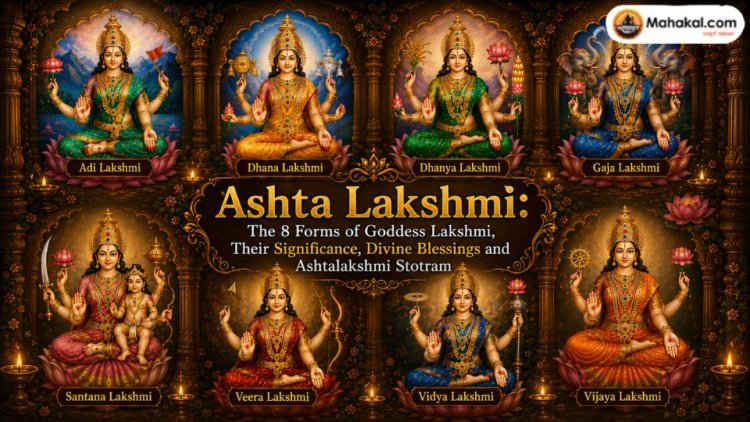
1. Adi Lakshmi – The Primordial Goddess
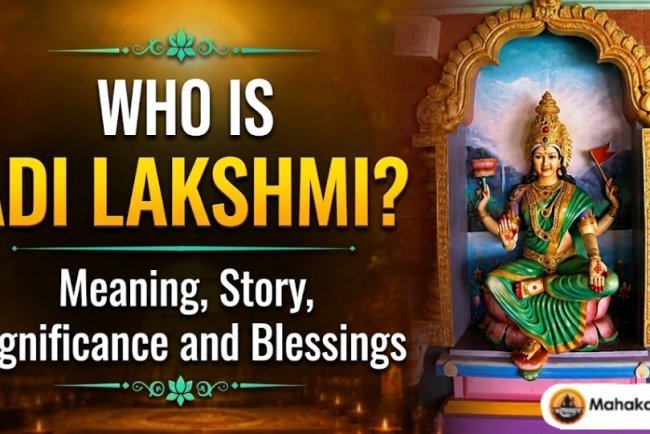
Adi Lakshmi is the eternal and original form of Goddess Lakshmi. She symbolizes spiritual wealth, inner peace, and liberation (moksha). Devotees worship her for divine grace and spiritual enlightenment.
2. Dhana Lakshmi – Goddess of Wealth and Prosperity
Dhana Lakshmi bestows material riches, financial stability, and abundance. She is worshipped by those seeking prosperity and economic well-being.
3. Dhanya Lakshmi – Goddess of Food and Nourishment
Dhanya Lakshmi represents agriculture, food, and natural resources. She blesses devotees with nourishment, health, and abundance in life.
4. Gaja Lakshmi – Goddess of Royalty and Power
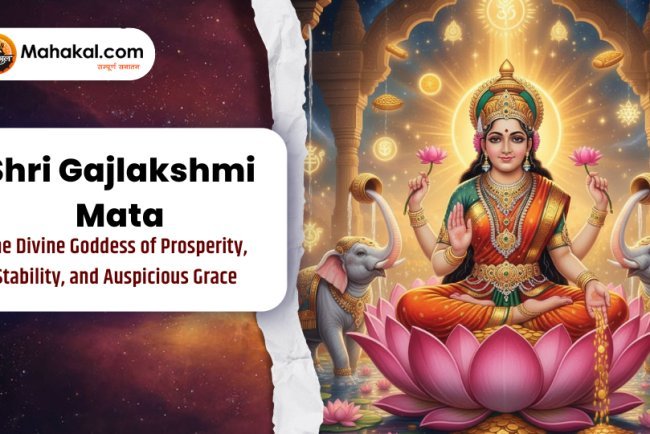
Often depicted with elephants, Gaja Lakshmi symbolizes dignity, authority, prosperity, and royal splendor. She grants power, fortune, and overall well-being.
5. Santana Lakshmi – Goddess of Progeny and Family Welfare
Santana Lakshmi is the divine mother who blesses devotees with healthy children, family happiness, and continuity of lineage.
6. Veera Lakshmi – Goddess of Courage and Strength
Also known as Dhairya Lakshmi, Veera Lakshmi represents bravery, determination, and resilience. She blesses devotees with the strength to overcome obstacles and challenges.
7. Vidya Lakshmi – Goddess of Knowledge and Wisdom
Vidya Lakshmi bestows learning, wisdom, and intellectual growth. Students and seekers of knowledge worship her for academic and spiritual excellence.
8. Vijaya Lakshmi – Goddess of Victory and Success
Vijaya Lakshmi symbolizes triumph, achievement, and success. She grants victory over difficulties and helps devotees attain success in all endeavors.
Ashtalakshmi Stotram
The Ashtalakshmi Stotram is a sacred Sanskrit hymn dedicated to the eight forms of Goddess Lakshmi. Popularized by the renowned Sri Vaishnava scholar U. Ve. Srinivasa Varadachariar, the hymn praises each manifestation of the Goddess and invokes her blessings for prosperity, wisdom, courage, family happiness, and spiritual well-being.
Devotees traditionally recite the Ashtalakshmi Stotram on Fridays, during Varalakshmi Vratam, Diwali, Navratri, and other auspicious occasions dedicated to Goddess Lakshmi.
https://mahakal.com/pujabooknow/kanakadhara-stotram-paath
https://mahakal.com/chadhavabooknow/maa-lakshmi-chadhawa
Significance of Ashta Lakshmi
The eight forms of Goddess Lakshmi collectively represent the complete spectrum of prosperity required for a happy and meaningful life. They teach that true wealth includes spirituality, knowledge, courage, nourishment, family happiness, success, and abundance.
Worshipping Ashta Lakshmi helps devotees cultivate harmony between material comforts and spiritual growth, leading to a balanced and fulfilling life.
Benefits of Worshipping Ashta Lakshmi
- Brings wealth and financial prosperity.
- Promotes peace, happiness, and harmony.
- Bestows wisdom and knowledge.
- Grants courage and confidence.
- Ensures family well-being and progeny.
- Helps overcome obstacles and attain success.
- Encourages spiritual growth and inner peace.
Conclusion
Ashta Lakshmi represents the eight divine manifestations of Goddess Lakshmi, each governing a unique aspect of prosperity and well-being. From spiritual enlightenment and financial abundance to knowledge, courage, family happiness, and success, these sacred forms remind devotees that true wealth extends far beyond material possessions.
By worshipping the eight forms of Lakshmi, devotees seek a life enriched with prosperity, righteousness, and spiritual fulfillment.
Frequently Asked Questions (FAQs)
Who is Ashta Lakshmi?
Ashta Lakshmi refers to the eight manifestations of Goddess Lakshmi, each representing a different form of prosperity and abundance.
What are the names of the eight forms of Lakshmi?
The eight forms are:
- Adi Lakshmi
- Dhana Lakshmi
- Dhanya Lakshmi
- Gaja Lakshmi
- Santana Lakshmi
- Veera Lakshmi
- Vidya Lakshmi
- Vijaya Lakshmi
What does Ashta Lakshmi signify?
Ashta Lakshmi signifies the eight sources of prosperity, including spirituality, wealth, food, power, knowledge, courage, progeny, and victory.
Which form of Lakshmi is worshipped for wealth?
Dhana Lakshmi is worshipped for financial prosperity, abundance, and material wealth.
- Ashta Lakshmi
- 8 Forms of Goddess Lakshmi
- Eight Forms of Lakshmi
- Ashta Lakshmi Meaning
- Ashta Lakshmi Significance
- Ashta Lakshmi Benefits
What's Your Reaction?