The Hidden Meaning of Aarti Rituals
Discover the hidden spiritual meaning of Aarti rituals in Sanatana Dharma. Learn the symbolism of the lamp, circular movements, divine light, purification, surrender, and how Aarti connects the soul with cosmic energy.
Introduction
Aarti is one of the most beautiful and spiritually powerful rituals in Sanatana Dharma. Often performed at temples and homes, Aarti is more than a devotional offering—it is a symbolic act that connects the devotee’s soul to the divine cosmic energy. Every movement, every flame, every chant in Aarti carries deep meaning. Understanding this hidden significance transforms a simple ritual into a profound spiritual experience.
In this blog, we uncover the deeper meaning of Aarti and explore why this ritual is so important in Hindu worship.
1. The Lamp Flame Represents Divine Light
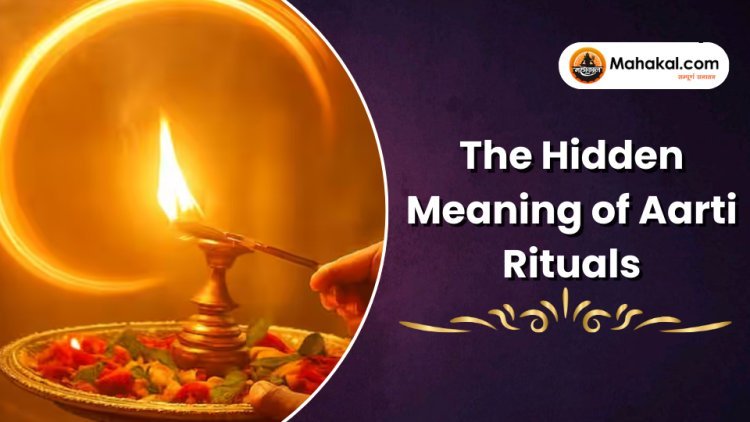
The flame used in Aarti symbolizes the eternal light of the Supreme Being. It dispels darkness and ignorance, guiding the devotee toward truth, wisdom, and purity. When the flame is waved before the deity, it signifies offering our inner darkness to the divine for transformation.
2. Circular Motions Symbolize the Cycles of Life
The clockwise circular movements of the Aarti lamp represent the cosmic cycles of creation, preservation, and dissolution. It reminds devotees that everything in life moves in cycles and that surrendering to the divine brings harmony and balance.
3. Offering Gratitude to the Divine
Aarti is an expression of gratitude—acknowledging that all blessings, protection, and prosperity come from the divine. By performing Aarti, devotees humbly offer thanks and reaffirm their devotion and surrender.
4. Removal of Negative Energies
Fire has the power to purify. The Aarti flame burns away subtle negativity in the environment and within the mind. As the flame is waved, it symbolizes the destruction of obstacles, impurities, and fears.
5. Uniting Mind, Heart, and Soul
Aarti engages the senses—sight (flame), sound (bells and bhajans), smell (incense), and touch (warmth of the flame). This sensory involvement helps devotees focus entirely on the divine, creating a deep connection between mind, heart, and soul.
6. Receiving Divine Blessings
At the end of Aarti, devotees place their hands over the flame and touch their forehead or eyes. This symbolizes acceptance of divine blessings, light, and wisdom into one's life. It is believed that the flame carries the deity’s energy, purifying and uplifting the devotee.
7. The Aarti Plate as the Universe
The Aarti thali represents the entire cosmos — fire (flame), water (in the vessel), earth (flowers), air (fan or whisk), and space (incense smoke). This signifies that the whole universe participates in offering devotion to the divine.
8. Symbol of Surrender and Devotion
Aarti is a gesture of complete surrender. When the devotee waves the lamp, they symbolically offer their ego, desires, and actions to the divine. It teaches humility, devotion, and the beauty of spiritual surrender.
Conclusion
Aarti is not just a ritual — it is a sacred moment of connection with the divine. Every flame, every chant, every gesture carries deep meaning. By understanding the hidden significance of Aarti, devotees can experience a more profound, transformative spiritual connection.
Performing Aarti with awareness brings inner peace, clarity, and divine grace into daily life.
What's Your Reaction?