History of Konark Sun Temple and Significance of Sun Worship: Discover Its Ancient Architecture, 24 Wheels and Seven Horses
Explore the history of the Konark Sun Temple in Odisha, its magnificent chariot-shaped architecture, 24 stone wheels, seven horses, UNESCO World Heritage status and the spiritual importance of worshipping Lord Surya.
Why Is the Konark Sun Temple So Famous?
India is home to numerous ancient temples that continue to amaze people through their architecture, religious traditions and historical importance. Among these remarkable monuments, the Konark Sun Temple in Odisha holds a special place.
Dedicated to Lord Surya, the Hindu Sun God, this magnificent temple is considered one of the finest examples of ancient Indian architecture.
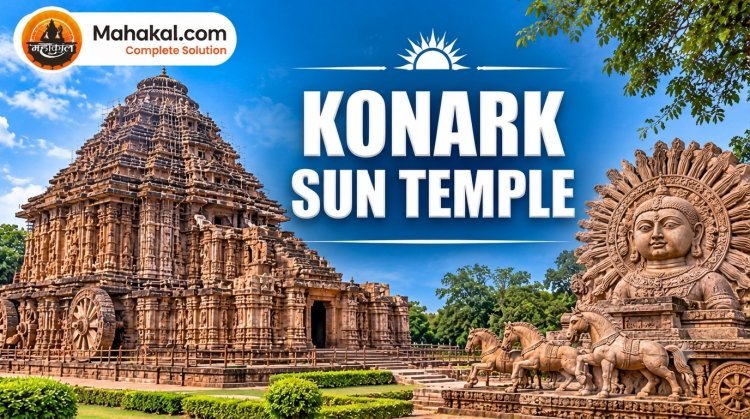
The temple is designed in the shape of a gigantic chariot carrying Lord Surya. Its structure features seven symbolic horses and 24 beautifully carved stone wheels.
Recognising its exceptional architectural and cultural importance, UNESCO included the Konark Sun Temple in its World Heritage List in 1984.
Today, the temple remains an important symbol of India's religious heritage, artistic excellence and ancient knowledge.
Where Is the Konark Sun Temple Located?
The Konark Sun Temple is located in the Puri district of Odisha, India, near the coast of the Bay of Bengal.
The name Konark is commonly understood as a combination of two words:
-
Kona, meaning corner or direction.
-
Arka, meaning the Sun.
The name reflects the temple's association with Lord Surya.
The temple is an important part of Odisha's religious heritage, along with the famous Jagannath Temple in Puri and the ancient temples of Bhubaneswar.
History of the Konark Sun Temple
The Konark Sun Temple was constructed during the 13th century under the patronage of King Narasimhadeva I of the Eastern Ganga Dynasty.
Historical records associate its construction with approximately 1250 CE.
During this period, the Eastern Ganga rulers were powerful patrons of art, architecture and religious traditions.
King Narasimhadeva I commissioned this magnificent temple as a symbol of royal power, devotion and cultural achievement.
Skilled architects, sculptors and craftsmen worked on the temple, creating extraordinary stone carvings and architectural designs.
The temple was designed as the divine chariot of Lord Surya, representing his journey across the sky.
The Amazing Chariot-Shaped Architecture of Konark Sun Temple
One of the most remarkable features of the Konark Sun Temple is its enormous chariot-shaped design.
The structure represents the celestial chariot of Lord Surya and contains several symbolic elements.
1. Religious Significance of the Seven Horses
The temple's design includes seven horses representing the chariot of the Sun God.
According to traditional symbolism, these seven horses are associated with the seven days of the week and are also interpreted as representing the seven colours of sunlight.
They symbolise movement, energy and the continuous journey of the Sun.
2. Mystery of the 24 Stone Wheels
The temple features 24 enormous stone wheels decorated with intricate carvings.
These wheels are often interpreted as symbols of time, the changing seasons and the cycle of life.
They are also symbolically associated with the 24 hours of the day.
Some wheels have designs that allow the position of their shadows to be used to estimate time through sunlight. However, they should not be considered modern precision clocks.
3. Beautiful Stone Carvings
The walls of the temple display detailed carvings of gods, goddesses, dancers, musicians, animals and scenes from everyday life.
These sculptures provide valuable insights into the artistic achievements, social life and religious traditions of ancient India.
Importance of Worshipping Lord Surya in Hinduism
In Hinduism, Lord Surya is considered a visible deity because he appears in the sky every day and provides light and energy essential for life.
Sun worship has been an important part of ancient Vedic traditions.
Lord Surya symbolises energy, health, knowledge, prosperity and life.
1. The Source of Life and Energy
Sunlight plays an essential role in sustaining life on Earth. It supports plant growth and influences natural and seasonal cycles.
2. Symbol of Health and Positivity
According to Hindu religious beliefs, worshipping Lord Surya is associated with good health, confidence and positive energy.
3. Symbol of Knowledge and Light
The Sun removes darkness and spreads light. Therefore, Lord Surya is also worshipped as a symbol of knowledge and the removal of ignorance.
4. Importance of the Sun in Vedic Astrology
In Vedic astrology, the Sun is regarded as the king among the planets.
It represents the soul, confidence, leadership, authority, recognition and relationship with one's father.
How to Worship Lord Surya
Morning is traditionally considered the most auspicious time to worship Lord Surya.
Devotees can follow these simple rituals:
1. Wake Up Early and Take a Bath
Wake up before sunrise, take a bath and wear clean clothes.
2. Offer Arghya to the Sun
Fill a copper vessel with clean water. Add red flowers and a few grains of rice if desired, and offer water while facing the rising Sun.
3. Chant Surya Mantras
Recite traditional mantras while offering water to Lord Surya.
4. Offer Red Flowers and Jaggery
Red flowers and jaggery are commonly used in traditional Sun worship.
5. Recite Aditya Hridaya Stotra
Devotees may recite the Aditya Hridaya Stotra, an important hymn dedicated to Lord Surya.
6. Practise Surya Namaskar
Surya Namaskar can also be practised according to one's physical ability as part of a healthy morning routine.
Important Mantras of Lord Surya
Devotees can chant the following mantras:
1. Surya Beej Mantra
Om Hraam Hreem Hraum Sah Suryaya Namah.
2. Surya Mantra
Om Ghrini Suryaya Namah.
3. Gayatri Mantra
Om Bhur Bhuvah Swah, Tat Savitur Varenyam, Bhargo Devasya Dhimahi, Dhiyo Yo Nah Prachodayat.
These mantras are traditionally recited with devotion and concentration.
Artistic and Sculptural Excellence of Konark Sun Temple
The sculptures of the Konark Sun Temple represent an extraordinary chapter in Indian art history.
Its stone carvings depict dancers, musicians, religious ceremonies, royal activities, animals and mythological scenes.
These artistic details are not merely decorative. They also provide valuable information about the cultural, social and religious life of the period.
The temple demonstrates the remarkable craftsmanship and architectural knowledge of medieval India.
Why Is the Main Structure of Konark Sun Temple in Ruins Today?
The Konark Sun Temple has suffered considerable damage over several centuries.
Natural weathering, the coastal environment, structural deterioration and other historical factors contributed to the loss of parts of the original structure.
Several legends and historical explanations also exist regarding its decline.
The original temple complex was much larger than what visitors see today. Its main sanctum and towering structure no longer survive in their original form.
However, the surviving Jagamohana, or assembly hall, continues to display impressive architecture and stone carvings.
The Archaeological Survey of India is responsible for the conservation of this historic monument.
Konark Sun Temple and UNESCO World Heritage Status
In 1984, UNESCO recognised the Konark Sun Temple as a World Heritage Site.
Its outstanding architecture, historical importance and cultural significance earned it international recognition.
The temple is considered one of the finest examples of India's ancient architectural and sculptural traditions.
It continues to attract historians, architects, researchers and tourists from around the world.
Best Time to Visit the Konark Sun Temple
The period from October to March is generally considered suitable for visiting the Konark Sun Temple.
During these months, the weather in Odisha is relatively pleasant.
Konark is also famous for its annual Konark Dance Festival, which celebrates India's classical dance traditions.
Conclusion: Konark Sun Temple – A Precious Treasure of Indian Heritage
The Konark Sun Temple is much more than an ancient religious monument. It represents a remarkable combination of Indian history, science, architecture and spirituality.
Dedicated to Lord Surya, the temple reminds us of the importance of sunlight, natural energy and the continuous cycle of time.
Its seven horses, 24 stone wheels and magnificent sculptures continue to demonstrate the extraordinary artistic and architectural achievements of ancient India.
For anyone interested in Hindu traditions, ancient temples and the history of Sun worship, the Konark Sun Temple offers a fascinating journey into India's glorious cultural heritage.
Om Ghrini Suryaya Namah. Jai Surya Dev!
What's Your Reaction?