Ishti Puja 2025: Manifest Your Desires
Discover the significance and steps of Ishti Puja, a sacred Vedic fire ritual performed for spiritual clarity, family harmony, and fulfillment of desires.
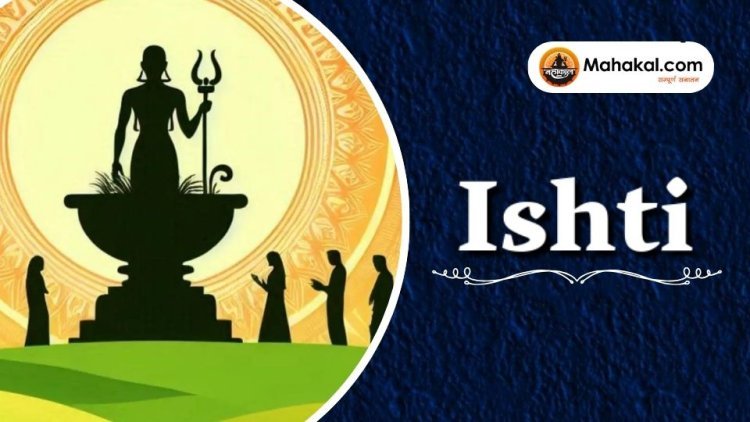
Ishti is a sacred and ancient Vedic ritual that holds a unique place in Hindu spiritual practice. Rooted deeply in the Sanskrit meaning of "desire" or "offering," Ishti is a fire sacrifice (Yajna) performed primarily on significant lunar days, such as Purnima (full moon) and Amavasya (new moon). This ritual is designed to fulfill spiritual and material desires, invoke divine blessings, and purify the mind and soul through focused offerings and prayers.
What is Ishti?
In the Vedic tradition, Ishti refers to carefully conducted sacrificial offerings made to deities, especially Lord Vishnu in the Vaishnav Sampradaya. These offerings are typically made over a sacred fire accompanied by the chanting of Vedic mantras, including the famous Vishnu Sahasranama and often the Satyanarayan Katha. The ritual symbolizes the devotee’s surrender of wishes and gratitude to cosmic forces, especially Agni, the fire god, who acts as a divine messenger between humans and gods.
Historical and Cultural Context
Ishti’s roots are found in ancient Rigveda and Yajurveda, where fire sacrifices were central to maintaining cosmic order (Rta). Over time, this solemn ritual saw decline during the Bhakti movement as devotional practices simplified but has now experienced a revival. Modern practitioners cherish Ishti for its spiritual depth, mental clarity, and cultural connection, especially among Vaishnav communities.
Importance and Benefits
Performing Ishti brings not only spiritual merits but also practical benefits. It is believed to:
-
Purify the mind by focusing thoughts on divine grace,
-
Create family harmony by performing the ritual together,
-
Invoke blessings for health, prosperity, and peace,
-
Strengthen cultural identity and continuity through age-old tradition,
-
Offer a sacred pause for mental calm amid daily chaos.
When and How to Observe Ishti
Ishti ceremonies are traditionally observed on Purnima and Amavasya days, important lunar phases for spiritual renewal. Devotees often undertake a fast or engage in a sattvic diet on these days. The ritual includes:
-
Lighting a sacred fire (Havan kund),
-
Offering natural items such as ghee, rice, and herbs into the fire,
-
Chanting sacred mantras and reciting the Satyanarayan Katha,
-
Distributing prasad and giving charity,
-
Meditative focus on one’s intentions and desires.
Ishti vs Other Rituals
Unlike longer yajnas or funerary rites like Shraddha, Ishti is centered on desire fulfillment and prosperity. It is a more personal and approachable ritual that combines the grandeur of the Vedas with everyday spirituality.
Modern Relevance
Today, Ishti offers a spiritual reset and a means to align oneself with cosmic rhythms. In a world filled with stress and distractions, this ritual provides a sacred space for mental peace, family bonding, and cultural pride.
Ishti is more than a ritual; it is a timeless dialogue of devotion, desire, and divine connection. Embracing Ishti Puja in 2025 can bring renewed spiritual strength, clarity, and blessings. It invites all seekers—whether traditional or modern—to partake in an ancient practice that continues to transform lives.
What's Your Reaction?