The History and Spiritual Significance of Mahashivratri
Discover the history and spiritual significance of Mahashivratri, including Shiva-Parvati Vivah, Jyotirlinga origin, and cosmic Tandava. Learn Mahashivratri puja vidhi, fasting rules, Jagran, and Om Namah Shivaya mantra benefits for spiritual awakening and moksha. Explore powerful insights from Shiva Purana and understand why this sacred night is the most divine festival of Lord Shiva.Read complete history and spiritual significance of Mahashivratri through Mahakal.com blog .
The History and Spiritual Significance of Mahashivratri
Introduction
Mahashivratri, meaning “The Great Night of Shiva,” is one of the most sacred and spiritually charged festivals in Sanatan Dharma. Celebrated on the 14th night of the Krishna Paksha in the month of Phalguna, this divine night is dedicated to Lord Shiva, the Supreme Consciousness and the destroyer of ignorance.
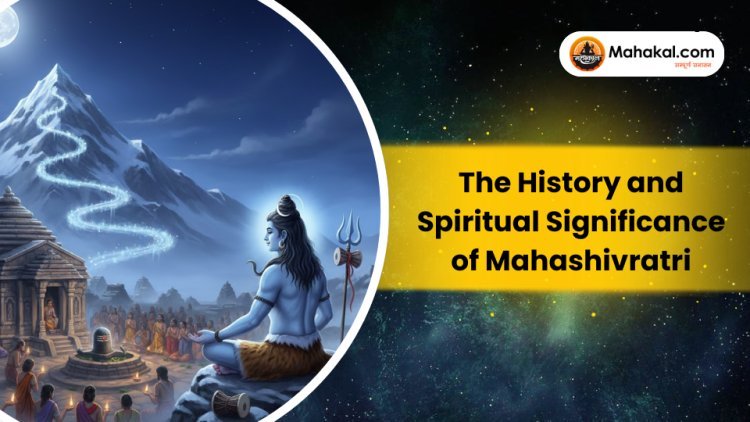
Unlike other Hindu festivals that are celebrated with grand feasts and festivities, Mahashivratri is observed with fasting, meditation, mantra chanting, and night-long vigil. It is not merely a religious event; it is a spiritual gateway that allows devotees to align themselves with cosmic energy.
To understand why Mahashivratri holds such immense importance, we must explore its history and spiritual depth.
1. Mythological Origins of Mahashivratri
The Divine Marriage of Shiva and Parvati
One of the most popular legends states that Mahashivratri marks the divine wedding of Lord Shiva and Goddess Parvati. Their union symbolizes the merging of consciousness (Shiva) and energy (Shakti). Spiritually, it represents balance, harmony, and the integration of masculine and feminine forces within the universe.
The Appearance of the Infinite Jyotirlinga
According to Shiva Purana, on this sacred night Lord Shiva manifested as an infinite pillar of light (Jyotirlinga) before Lord Brahma and Lord Vishnu. Neither could find its beginning nor its end, proving Shiva as the supreme cosmic reality beyond time and space.
The Night of Cosmic Tandava
Some scriptures describe Mahashivratri as the night when Lord Shiva performed the cosmic dance, the Tandava. This dance represents creation, preservation, and destruction — the eternal cycle of the universe.
2. Historical and Scriptural References
Mahashivratri finds mention in ancient scriptures such as:
- Shiva Mahapurana
- Linga Purana
- Skanda Purana
- Padma Purana
Temples dedicated to Shiva across India, especially the twelve Jyotirlingas, have celebrated this sacred night for centuries. Historical records indicate that kings, saints, yogis, and spiritual masters observed Mahashivratri as a night of intense meditation and austerity.
3. Spiritual Significance of Mahashivratri
A Night of Spiritual Awakening
Mahashivratri is considered the most powerful night for meditation. It is believed that on this night, planetary positions create a natural upward movement of energy in the human body, especially along the spine.
Staying awake symbolizes awareness and rising above ignorance.
Destruction of Ignorance and Ego
Shiva represents destruction, but not of the physical world. He destroys ignorance, ego, negativity, and illusion. Mahashivratri is therefore a night of inner cleansing and transformation.
Opportunity for Liberation (Moksha)
Devotees believe that sincere worship on Mahashivratri can free one from karmic cycles and bring them closer to Moksha. It is said that even a simple offering of Bilva leaves with devotion grants immense spiritual merit.
4. Why Fasting and Night Vigil Are Important ?
Fasting purifies the body and mind. It increases self-control and spiritual discipline.
Night vigil (Jagran) represents alertness of consciousness. Instead of sleeping, devotees chant “Om Namah Shivaya,” meditate, and perform Rudrabhishek. This keeps the mind aligned with higher vibrations.
5. Spiritual Benefits of Observing Mahashivratri
- Removal of past karmic burdens.
- Inner peace and clarity.
- Strengthening of willpower.
- Protection from negative energies.
- Blessings for health, prosperity, and harmony.
- Spiritual elevation and liberation.
Conclusion
Mahashivratri is not merely a festival; it is a profound spiritual opportunity. Rooted in ancient mythology and sacred scriptures, it represents divine union, cosmic manifestation, and inner awakening.
By fasting, meditating, chanting, and surrendering to Lord Shiva, devotees can experience transformation at both spiritual and personal levels. This sacred night reminds humanity that beyond darkness lies eternal light — the infinite consciousness of Shiva.
Experience Sanatan Dharma at Your Space, Download the Mahakal.com App Today.
https://play.google.com/store/apps/details?id=manal.mahakal.com&hl=en_IN
This Mahashivratri, connect with Mahakal through Mahakal.com — participate in the Maha Shivratri Puja, offer your sacred Chadhawa, and get blessed by Lord Shiva with peace, protection, and prosperity.
https://mahakal.com/epooja/mahashivratri-special-shiv-parvati-pooja-and-rudrabhishek
https://mahakal.com/pujabooknow/bilva-pujan-on-mahashivratri
https://mahakal.com/pujabooknow/mahamrityunjaya-mantra-jaap-puja
https://mahakal.com/pujabooknow/somvar-rudrabhishek-special
- Mahashivratri 2026
- History of Mahashivratri
- Spiritual Significance of Mahashivratri
- Shiva Parvati Marriage Story
- Jyotirlinga Origin Story
- Secret of Shiva Tandava
- Mahashivratri Puja Vidhi
- Mahashivratri Fasting Rules
- Importance of Mahashivratri Jagran
- Om Namah Shivaya Mantra Benefits
- Shiva Purana Mahashivratri Reference
- Mahashivratri Vrat Katha
- Sacred Festival of Lord Shiva
- How to Celebrate Mahashivratri
What's Your Reaction?