What Is Breath Meditation? Method of Focusing on Your Breathing and Its Benefits
Discover what breath meditation is, how to practice breathing awareness, and its potential benefits for mental peace, concentration, stress management, and mindfulness.
What Is Breath Meditation? Method of Focusing on Your Breathing and Its Benefits
In today's fast-paced world, maintaining mental peace and managing thoughts can be challenging. Work pressure, daily responsibilities, worries about the future, and constant distractions can affect a person's emotional well-being.
In such situations, simple meditation practices from the ancient Indian yoga tradition can help people develop greater awareness and mindfulness. One such practice is known as Breath Meditation.
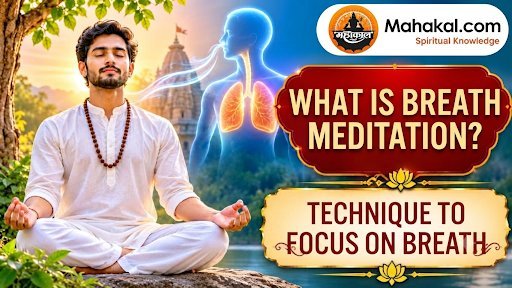
Breath meditation is a simple technique in which a person focuses attention on the natural process of breathing. It does not require special equipment or complicated yoga postures. Anyone can begin practising it for a few minutes in a quiet place.
Let us understand what breath meditation is, how to practise it correctly, and what potential benefits it offers.
1. What Is Breath Meditation?
Breath meditation, also known as Breathing Meditation or Breath Awareness Meditation, is a meditation technique in which a person observes the natural movement of breathing.
During this practice, there is no need to deliberately control the speed or depth of the breath. Instead, the practitioner simply notices the air entering and leaving the nostrils.
Whenever the mind wanders towards memories, thoughts, or future worries, attention is gently brought back to the breathing process.
The main purpose of this practice is to develop awareness of the present moment and improve one's understanding of thoughts and emotions.
2. Spiritual Significance of Breath Meditation
In Indian yoga traditions, breath is considered an essential aspect of life. Yogic philosophy describes Prana as the vital life force and recognises breath awareness as an important part of meditation.
The Yoga Sutras of Patanjali describe Pranayama and Pratyahara as important limbs of Ashtanga Yoga, followed by Dharana, Dhyana, and Samadhi.
Observing the breath can help individuals become more aware of their inner experiences and develop mental concentration.
In spiritual practices, breath awareness is also regarded as a way to encourage self-reflection and inner awareness.
3. How to Practise Breath Meditation
Breath meditation is easy to practise. Beginners can start with just 5 to 10 minutes every day.
Step 1: Choose a Quiet Place
Find a peaceful place where you can sit comfortably without frequent interruptions.
Step 2: Sit in a Comfortable Position
Sit cross-legged on a mat or use a chair if sitting on the floor is uncomfortable. Keep your back naturally straight.
Step 3: Close Your Eyes
Gently close your eyes and allow your body to relax. Keep your shoulders and facial muscles comfortable.
Step 4: Observe Your Breathing
Bring your attention to your natural breathing. Notice the air entering and leaving your nostrils without trying to change its rhythm.
Step 5: Allow Thoughts to Come and Go
Thoughts may arise during meditation. This is completely normal. Do not try to force them away. Simply return your attention to your breathing.
Step 6: Complete the Practice Slowly
After a few minutes, gently open your eyes. Remain seated for a short while before getting up.
By following these steps, you can gradually make breath meditation a part of your daily routine.
4. Major Benefits of Breath Meditation
Regular breath meditation can help develop mental awareness and emotional balance. Some of its potential benefits include:
1. Helps Manage Stress
Focusing on breathing brings attention away from external distractions and towards the present moment. This may help people manage everyday stress and restlessness.
2. Encourages Mental Peace
Breath meditation encourages people to observe their thoughts without becoming overly involved in them. Regular practice may help develop a calmer state of mind.
3. Supports Better Concentration
Bringing attention back to breathing whenever the mind wanders is a useful exercise in concentration. It may help improve focus during studies, work, and daily activities.
4. Supports Emotional Balance
Meditation can help individuals become more aware of their emotional responses. This awareness may encourage thoughtful reactions rather than impulsive decisions.
5. Develops Present-Moment Awareness
Many people remain occupied with past experiences or future worries. Breath meditation encourages awareness of the present moment.
6. May Support Better Sleep
Practising gentle breath awareness before bedtime may help some people relax and prepare for sleep.
7. Encourages Self-Awareness
Breath meditation provides an opportunity to observe physical sensations, thoughts, and emotions. This can strengthen the habit of self-reflection.
5. What Is the Best Time to Practise Breath Meditation?
Breath meditation can be practised at any time of the day. However, some people find certain times more convenient.
Morning: Practising meditation after waking up can provide a peaceful beginning to the day.
Evening: A few minutes of meditation after completing daily responsibilities may help the mind relax.
Before Sleeping: Breath meditation before bedtime can help create a quiet transition from a busy day to rest.
6. How Long Should Beginners Practise Breath Meditation?
People who are new to meditation do not need to sit for long periods. It is better to begin with a short and comfortable duration.
A gradual practice schedule can look like this:
-
First week: 5 minutes daily.
-
Second week: 10 minutes daily.
-
Third week: 15 minutes daily.
-
After regular practice: 15 to 20 minutes according to comfort.
Consistency and comfort are more important than practising for long hours.
7. Common Mistakes to Avoid During Breath Meditation
Beginners sometimes make mistakes that can make meditation feel difficult.
Forcing the Breath: Breath meditation involves observing natural breathing. There is no need to force deep breathing or hold the breath.
Trying to Stop All Thoughts: Meditation does not require eliminating every thought. Simply return your attention to breathing when the mind wanders.
Sitting for Too Long Initially: Start with five minutes and gradually increase the duration.
Practising Irregularly: Making meditation a regular habit can help develop greater awareness over time.
Ignoring Discomfort: If you experience dizziness, anxiety, or difficulty breathing, stop the practice and return to normal breathing.
8. Is Breath Meditation the Same as Pranayama?
Breath meditation and Pranayama are both related to breathing, but their methods and purposes are different.
In breath meditation, a person mainly observes natural breathing without deliberately changing its rhythm.
Pranayama, on the other hand, involves specific breathing techniques. These may include Anulom Vilom, Bhramari, and other structured breathing practices.
Therefore, breath meditation focuses on awareness of breathing, while Pranayama involves practising specific breathing techniques.
9. Can Everyone Practise Breath Meditation?
Breath meditation is a simple practice that most healthy individuals can include in their daily routines according to their comfort.
Students, working professionals, homemakers, and older adults can all practise it.
However, some individuals may feel uncomfortable when focusing directly on their breathing. In such cases, keeping the eyes open and focusing on a peaceful object can be an alternative. People experiencing persistent discomfort should seek guidance from a qualified health professional.
Conclusion
Breath meditation is a simple way to develop mindfulness, mental awareness, and a connection with the present moment. It does not require expensive equipment, a special location, or complicated yoga postures.
By spending a few minutes every day observing the natural movement of breathing, individuals can develop a habit of mindfulness and self-reflection. Regular practice may help manage stress, support concentration, and encourage mental peace.
Take 5 to 10 minutes out of your busy schedule every day and begin practising breath meditation.
Remember: Every breath connects you with the present moment. Observe your breathing and take a step towards understanding yourself.
What's Your Reaction?