Shri Durga Chalisa in English: Complete Lyrics, Glory of Maa Durga, Puja Vidhi and Benefits of Recitation
Read the complete Shri Durga Chalisa and discover the divine glory of Maa Durga, the religious significance of the Chalisa, worship rituals, powerful mantras and spiritual benefits of regular recitation.
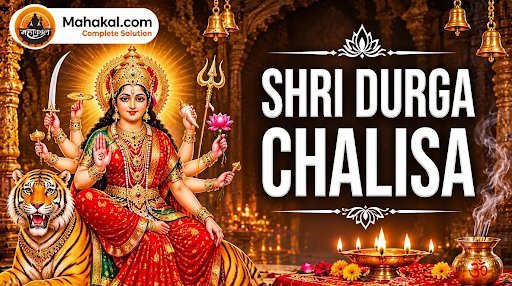
In Hinduism, Maa Durga is worshipped as the divine embodiment of power, courage, compassion and protection. She is revered as Adi Shakti, the supreme feminine energy responsible for maintaining the balance of the universe.
Devotees worship her by several names, including Jagdamba, Bhavani, Ambe, Chandi and Sherawali Mata. According to Hindu beliefs, Maa Durga protects her devotees and inspires them to face life's difficulties with courage and faith.
Among the many ways of worshipping the Goddess, reciting the Shri Durga Chalisa holds special importance. This devotional prayer describes the divine glory, strength and compassion of Maa Durga.
Devotees especially recite the Durga Chalisa during Navratri, Durga Ashtami, Mahanavami and on Fridays. However, it can be recited on any day with devotion.
Let us explore the significance of the Shri Durga Chalisa, the complete prayer, puja vidhi, powerful mantras and the spiritual benefits of its recitation.
1. Who Is Maa Durga? Understanding Her Divine Glory
Maa Durga is regarded as Adi Shakti and the mother of the universe in Hindu tradition. She represents the divine power that destroys evil and protects righteousness.
According to Hindu mythology, Mahishasura, a powerful demon, began troubling the gods and spreading fear across the three worlds.
To defeat him, the divine energies of the gods united and manifested as Goddess Durga. She fought Mahishasura for nine days and finally defeated him on the tenth day.
This victory symbolises the triumph of good over evil and is celebrated through Navratri and Vijayadashami.
Every element of Maa Durga's appearance carries spiritual symbolism. Her weapons represent protection and strength, her lion represents courage, and her compassionate expression reflects motherhood and kindness.
2. Religious Significance of Shri Durga Chalisa
The Shri Durga Chalisa is a devotional composition consisting of forty verses that praise the divine qualities and glory of Goddess Durga.
According to religious beliefs, reciting the Chalisa regularly helps devotees develop faith, confidence and a positive outlook towards life.
Devotees seek the blessings of Maa Durga for family happiness, prosperity, peace and strength during difficult circumstances.
The Durga Chalisa is especially recited during:
-
Chaitra and Sharad Navratri
-
Durga Ashtami
-
Mahanavami
-
Fridays
-
Purnima
-
Special religious ceremonies
3. Complete Shri Durga Chalisa
Devotees can recite the complete Hindi Durga Chalisa given in the Hindi section above. It begins with:
Doha
Namo Namo Durge Sukh Karni,
Namo Namo Ambe Dukh Harni.
Nirankar Hai Jyoti Tumhari,
Tihun Lok Phaili Ujiyari.
The complete prayer consists of devotional verses describing the greatness, divine forms and blessings of Maa Durga.
4. Maa Durga Puja Vidhi
Worshipping Maa Durga with devotion and a pure heart is considered auspicious. Devotees can perform daily worship by following these traditional steps.
Morning Puja Vidhi:
-
Wake up early, take a bath and wear clean clothes.
-
Clean the place of worship.
-
Place an idol or picture of Maa Durga.
-
Light a diya and incense sticks.
-
Offer roli, sandalwood paste, rice and red flowers.
-
Offer a red chunari, fruits and sweets.
-
Recite the Shri Durga Chalisa with devotion.
-
Perform Maa Durga's Aarti and pray for family well-being.
5. Essential Items for Maa Durga Puja
The following items can be arranged for the worship of Maa Durga:
-
Idol or picture of Maa Durga
-
Red chunari
-
Red flowers and garland
-
Roli and sandalwood paste
-
Akshat
-
Incense sticks and diya
-
Ghee or oil
-
Coconut
-
Fruits and sweets
-
Betel leaves and betel nuts
-
Cloves and cardamom
-
Camphor
-
Puja thali
Devotees can arrange the puja items according to their faith and convenience.
6. Benefits of Reciting Durga Chalisa
According to Hindu religious beliefs, regular recitation of Durga Chalisa offers several spiritual benefits.
1. Mental Peace: Devotional recitation helps calm the mind and encourages positive thinking.
2. Greater Confidence: Maa Durga symbolises courage and strength. Worshipping her inspires devotees to face difficult situations with confidence.
3. Positive Thoughts: Regular prayer and mantra chanting encourage spiritual discipline and positive thinking.
4. Family Happiness: Devotees seek the blessings of Maa Durga for harmony, love and prosperity within their families.
5. Stronger Devotion: Daily recitation helps strengthen one's spiritual connection and devotion towards the Goddess.
7. When and How Often Should You Recite Durga Chalisa?
The Durga Chalisa can be recited on any day. However, Fridays and the nine days of Navratri are considered particularly auspicious.
Devotees may:
-
Recite the Chalisa once every day.
-
Read it regularly throughout Navratri.
-
Perform special worship on Durga Ashtami and Mahanavami.
-
Recite it during peaceful morning or evening hours.
Sincerity and devotion are considered more important than the number of recitations.
8. Powerful Mantras of Maa Durga
Devotees can also chant these sacred mantras while worshipping the Goddess.
Durga Mantra:
Om Dum Durgaye Namah.
Sarva Mangala Mangalye Mantra:
Sarva Mangala Mangalye Shive Sarvartha Sadhike.
Sharanye Tryambake Gauri Narayani Namostute.
Ya Devi Sarvabhuteshu Mantra:
Ya Devi Sarvabhuteshu Shakti Rupena Samsthita.
Namastasyai Namastasyai Namastasyai Namo Namah.
These mantras can be chanted according to one's devotion and personal practice.
9. Importance of Durga Chalisa During Navratri
Navratri is one of the most important Hindu festivals dedicated to the worship of Maa Durga.
During these nine days, devotees worship the nine forms of the Goddess. Many people observe fasts, perform special pujas and recite sacred prayers.
Reciting Durga Chalisa during Navratri is a popular way to express devotion and seek the blessings of the Divine Mother.
10. Nine Forms of Maa Durga
During Navratri, devotees worship the following nine forms of the Goddess:
-
Maa Shailputri
-
Maa Brahmacharini
-
Maa Chandraghanta
-
Maa Kushmanda
-
Maa Skandamata
-
Maa Katyayani
-
Maa Kalaratri
-
Maa Mahagauri
-
Maa Siddhidatri
Each form represents a different divine quality and has its own religious significance.
11. Important Things to Remember While Reciting Durga Chalisa
-
Take a bath and wear clean clothes before worship.
-
Keep the prayer area clean.
-
Recite the Chalisa with a peaceful mind.
-
Try to pronounce the verses correctly.
-
Maintain concentration during the prayer.
-
Avoid negative thoughts and disrespectful behaviour.
-
Offer prayers to Maa Durga after completing the recitation.
Conclusion
Shri Durga Chalisa is a beautiful devotional prayer that describes the divine glory, strength and compassion of Maa Durga.
Its recitation provides devotees with an opportunity to express their faith and strengthen their spiritual connection with the Divine Mother.
Maa Durga is worshipped as the Goddess of courage, protection, strength and compassion. Devotees recite the Durga Chalisa regularly and seek her blessings for peace, happiness and prosperity.
Jai Mata Di! Jai Ambe Gauri!
What's Your Reaction?