Why Is Ujjain Known as the City of Salvation? Discover the Ancient Spiritual Secrets of Mahakal's Sacred City!
Discover why Ujjain is known as the City of Salvation. Explore the spiritual significance of Mahakaleshwar Jyotirlinga, the sacred Shipra River, ancient Avanti, Hindu traditions, and the religious beliefs associated with liberation.
Why Is Ujjain Known as the City of Salvation? Discover the Ancient Spiritual Secrets of Mahakal's Sacred City!
Introduction: What Makes Ujjain a City of Salvation?
India is home to numerous sacred cities that have played an important role in its religious, cultural, and spiritual heritage. Among these ancient places, Ujjain, located in Madhya Pradesh, holds a special position in Hindu tradition. Known for the revered Mahakaleshwar Jyotirlinga, Ujjain is also associated with spiritual wisdom, devotion, sacred rivers, and the pursuit of liberation.
But have you ever wondered why Ujjain is known as the Mokshadayini Nagari, or the City of Salvation? What makes this ancient city so significant in Hindu religious beliefs? Is its spiritual reputation connected only to Lord Shiva, or do its ancient history, sacred Shipra River, pilgrimage traditions, and mythological stories also contribute to its importance?
In Hindu philosophy, Moksha refers to liberation from the cycle of birth and death and the realization of ultimate spiritual truth. Depending on the philosophical tradition, it may also be understood as freedom from ignorance, attachment, and the limitations of worldly existence.
Ujjain's spiritual identity is closely connected with these ideas. Its sacred temples, ancient traditions, and association with Lord Mahakal have made it an important destination for devotees seeking spiritual peace and a deeper understanding of life.
Let us explore the religious beliefs, historical traditions, and spiritual significance behind Ujjain's identity as the City of Salvation.
1. What Does Mokshadayini Nagari Mean?
To understand Ujjain's spiritual importance, it is essential to understand the meaning of the term Mokshadayini Nagari.
The Sanskrit-derived word Moksha generally refers to spiritual liberation. In many Hindu philosophical traditions, it means freedom from the cycle of birth and death and the realization of the true nature of existence.
The word Mokshadayini means that which is believed to grant or facilitate liberation. Therefore, a Mokshadayini Nagari is a sacred city traditionally associated with spiritual advancement and the pursuit of liberation.
In Hindu religious culture, certain cities are considered especially sacred because of their association with deities, ancient scriptures, pilgrimage traditions, and spiritual practices.
Ujjain is one such city. Its connection with Lord Shiva, the Mahakaleshwar Jyotirlinga, the Shipra River, and the traditional concept of the seven sacred cities gives it a distinctive place in Hindu spirituality.
However, Moksha is not generally understood as a guaranteed result of simply visiting a particular place. It is also associated with devotion, spiritual knowledge, righteous conduct, self-discipline, and freedom from ignorance.
From this perspective, Ujjain is revered as a sacred destination that inspires people to pursue spiritual understanding and inner transformation.
2. The Connection Between Lord Mahakal and Spiritual Liberation
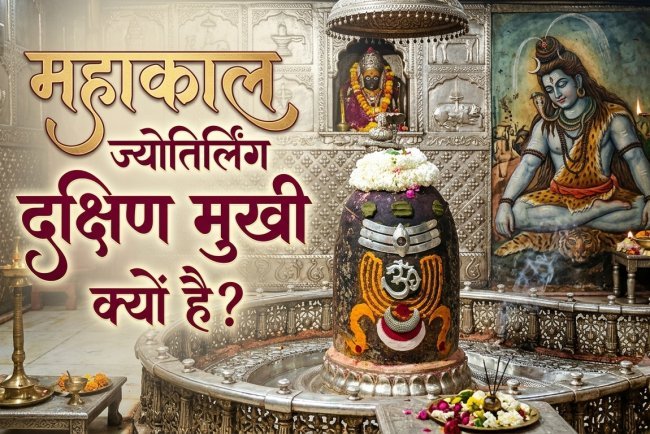
Ujjain is inseparably associated with Lord Mahakaleshwar, one of the twelve revered Jyotirlingas of Lord Shiva.
The Mahakaleshwar Temple is among the most important religious sites in Madhya Pradesh and attracts devotees from across India and beyond.
In Hindu tradition, Lord Shiva represents transformation, detachment, spiritual awareness, and the dissolution of worldly limitations. His role as the destroyer is not understood merely as destruction, but also as the ending of ignorance and the transformation necessary for renewal.
The name Mahakal carries profound philosophical significance. The word Kaal refers to time and is also associated with mortality and change. Mahakal is revered as the supreme divine power beyond the limitations of time.
This symbolism encourages devotees to reflect on an important truth: everything in the material world is temporary. Wealth, status, physical appearance, and worldly achievements change over time.
When devotees visit Mahakaleshwar Temple, they seek blessings, peace, and strength. For many, the experience also provides an opportunity to reflect on mortality, the purpose of life, and the importance of spiritual values.
This association between Lord Mahakal and the transcendence of time is one of the central reasons Ujjain's spiritual identity is linked with liberation.
3. The Ancient Religious Significance of Mahakaleshwar Jyotirlinga
The Mahakaleshwar Jyotirlinga is the spiritual heart of Ujjain. Its religious significance is described in the traditional accounts associated with the Shiva Purana.
A popular religious narrative tells the story of King Chandrasena, a devoted worshipper of Lord Shiva in ancient Ujjayini. A young boy, inspired by the king's devotion, also begins worshipping Shiva with deep faith.
According to the traditional story, when the city faces a threat from hostile forces, Lord Shiva manifests in his Mahakal form to protect his devotees and defeat the evil that threatens them.
Different retellings may vary in their details, but the central message remains the same: sincere devotion, divine protection, and the victory of righteousness.
The Mahakaleshwar Jyotirlinga is especially revered because Lord Shiva is worshipped here in his powerful Mahakal form.
For devotees, visiting this sacred shrine is an expression of faith and an opportunity to seek inner peace and spiritual strength.
The temple's association with Lord Shiva, time, and mortality makes it especially meaningful when discussing Moksha and the spiritual identity of Ujjain.
4. The Sacred Shipra River and Its Spiritual Importance
Ujjain's religious identity extends beyond its temples. The sacred Shipra River has an important place in the city's spiritual and cultural life.
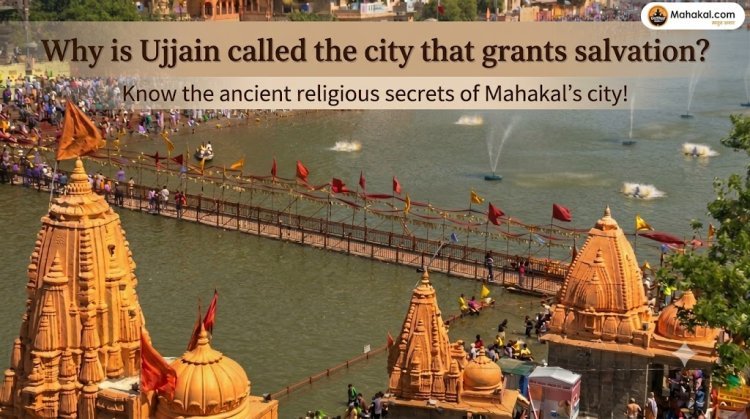
The river's banks have traditionally served as places for ritual bathing, prayer, religious ceremonies, and pilgrimage. Ram Ghat is among the best-known sacred locations along the Shipra.
In Hindu culture, rivers are often revered as symbols of purity, life, renewal, and the connection between nature and the divine.
Ritual bathing in sacred rivers is traditionally associated with purification and spiritual merit. For many devotees, these practices provide an opportunity to renew their religious commitments and reflect on their lives.
The Shipra River also plays a central role in the Simhastha Kumbh Mela, a major religious gathering held in Ujjain according to traditional astrological and religious calculations.
During this event, large numbers of pilgrims, saints, and spiritual seekers gather in the city. Sacred bathing during the festival is traditionally considered an important act of devotion.
The Shipra River therefore represents an essential part of Ujjain's spiritual heritage, connecting nature, religious practice, and the pursuit of inner purification.
5. Ancient Avanti: The Historical and Mythological Identity of Ujjain
Ujjain has been known by names such as Ujjayini and Avanti in ancient Indian traditions.
Its historical significance extends far beyond its religious identity. Ancient Avanti was one of the important Mahajanapadas, or major political territories, of early Indian history.
Ujjain developed as an important centre of trade, culture, learning, and political activity. Its location and historical connections helped it become a prominent city in the Indian subcontinent.
The city is also associated with ancient literary traditions. The works of the celebrated Sanskrit poet Kalidasa are connected with the cultural imagination of Ujjayini, while Ujjain's historical heritage includes important associations with astronomy and mathematical traditions.
Over centuries, religious institutions, cultural practices, and intellectual traditions contributed to the city's enduring reputation.
When a city becomes a centre of worship, learning, and spiritual practice across generations, its importance becomes more than geographical. It becomes part of the collective religious memory of a community.
Understanding ancient Avanti is therefore essential to understanding why Ujjain continues to be revered as a sacred spiritual destination.
6. Is Ujjain One of the Seven Sacred Cities of Hinduism?
Yes. Ujjain is traditionally included among the seven sacred cities known as the Sapta Puri in Hindu religious tradition.
A well-known Sanskrit verse reads:
“Ayodhya Mathura Maya Kashi Kanchi Avantika, Puri Dvaravati Chaiva Saptaita Mokshadayikah.”
The verse identifies sacred cities traditionally associated with spiritual liberation. These include Ayodhya, Mathura, Maya or Haridwar, Kashi, Kanchi, Avantika or Ujjain, Puri, and Dvaravati or Dwarka.
The commonly quoted version contains eight place names despite referring to seven sacred cities. This reflects a textual and traditional variation in the way the verse is commonly recited and interpreted.
The important point is that Avantika, the ancient name associated with Ujjain, is explicitly included among the sacred pilgrimage destinations in this tradition.
These cities are revered not merely as places of worship but as destinations connected with devotion, spiritual discipline, sacred history, and the pursuit of liberation.
Ujjain's inclusion in the Sapta Puri tradition is therefore a significant part of its identity as a Mokshadayini Nagari.
7. Religious Beliefs About Death and Liberation in Ujjain
Death and liberation are important subjects in Hindu philosophy. Many Hindu traditions explore the relationship between the physical body, the soul, karma, rebirth, and spiritual freedom.
Sacred cities have consequently developed religious customs associated with remembrance, funeral rites, ancestral rituals, and spiritual reflection.
Ujjain is also regarded in religious tradition as a sacred place where worship of Lord Shiva can inspire contemplation on life, death, and the deeper meaning of existence.
The Mahakal form of Shiva is especially relevant to these reflections because it symbolizes the transcendence of time and the inevitability of change.
However, it would not be accurate to claim that everyone who dies in Ujjain or performs their final rites there is automatically guaranteed Moksha. The meaning and attainment of liberation are understood differently across Hindu philosophical traditions.
The deeper spiritual message is that human life is temporary and should be lived with awareness, compassion, righteousness, and devotion.
From this perspective, Ujjain's association with liberation is not limited to beliefs about the afterlife. It also encourages people to overcome ignorance, reduce attachment, and develop a more meaningful relationship with spiritual life.
8. The Bhasma Aarti of Mahakal and the Message of Detachment
The Bhasma Aarti at Mahakaleshwar Temple is one of Ujjain's most distinctive religious traditions.
The ritual attracts considerable attention from devotees because of its unique association with Lord Shiva's Mahakal form.
Bhasma, or sacred ash, carries a profound symbolic meaning in Shaiva traditions. It reminds devotees of the temporary nature of the physical body and the impermanence of worldly possessions.
Wealth, power, beauty, and social position cannot remain unchanged forever. The symbolism of ash encourages reflection on what truly matters beyond material achievements.
Lord Shiva is traditionally depicted as an ascetic who embodies detachment from worldly attachments. His form encourages devotees to look beyond external appearances and focus on truth, self-discipline, and spiritual awareness.
For many visitors, witnessing the Bhasma Aarti is a deeply moving devotional experience.
Its significance is not limited to the ritual itself. It also offers a symbolic reminder that understanding life's impermanence can inspire people to live with greater humility, compassion, and spiritual purpose.
This makes the Bhasma Aarti an important part of Ujjain's broader religious and philosophical identity.
9. Other Sacred Places That Strengthen Ujjain's Spiritual Identity
Ujjain is home to several important temples and religious sites that contribute to its reputation as a major spiritual centre.
Harsiddhi Mata Temple
The Harsiddhi Mata Temple is one of Ujjain's prominent Shakti shrines. Its traditional religious associations and distinctive deep-stambhas, or ceremonial lamp pillars, make it an important destination for devotees of the Divine Mother.
The temple represents the strong tradition of goddess worship in Ujjain.
Kal Bhairav Temple
Lord Kal Bhairav is regarded as a fierce protective form associated with Lord Shiva. The temple is well known for its distinctive worship practices and longstanding local religious traditions.
It adds another dimension to Ujjain's Shaiva heritage.
Mangalnath Temple
Mangalnath Temple is associated with religious beliefs concerning the planet Mars, known as Mangal in Hindu astrology.
Devotees visit the temple to perform prayers and rituals connected with planetary beliefs and spiritual well-being.
Sandipani Ashram
Sandipani Ashram is traditionally associated with the education of Lord Krishna and Balarama under Guru Sandipani.
The site represents the importance of the guru-disciple relationship, learning, discipline, and the transmission of spiritual knowledge in Indian tradition.
Ram Ghat
Situated on the banks of the Shipra River, Ram Ghat is an important place for religious bathing, worship, and festival gatherings.
It highlights the close relationship between Ujjain's river traditions and its spiritual life.
Together, these sacred places show that Ujjain's significance extends beyond a single temple. The city represents a broad network of religious traditions, sacred narratives, and spiritual practices.
10. Why Is a Pilgrimage to Ujjain Considered Spiritually Important?
A pilgrimage is more than a journey to a geographical destination. For many devotees, it is an opportunity to reconnect with their faith, reflect on their lives, and experience a sense of spiritual renewal.
In Ujjain, devotees visit Mahakaleshwar Temple, worship at other sacred shrines, and spend time along the banks of the Shipra River.
These experiences can provide a meaningful break from the pressures of everyday life. They allow visitors to focus on prayer, personal reflection, and the values that guide their lives.
A pilgrimage may also encourage people to reconsider their behaviour, relationships, responsibilities, and sense of purpose.
From a spiritual perspective, the pursuit of Moksha involves more than visiting a sacred place. It is also associated with overcoming ego, greed, anger, and excessive attachment.
Religious traditions regard visits to sacred sites as spiritually beneficial, while many Hindu teachings also emphasize righteous action, truthfulness, compassion, devotion, and self-discipline.
Ujjain's importance lies partly in the way its sacred environment inspires devotees to reflect on these values.
11. Can a Person Attain Moksha Simply by Visiting Ujjain?
This is one of the most important questions associated with Ujjain's identity as the City of Salvation.
According to Hindu religious tradition, visiting sacred cities can be an act of devotion and a source of spiritual merit. However, Moksha should not be understood as an automatic or guaranteed outcome of visiting any particular destination.
The Bhagavad Gita and other Indian philosophical traditions emphasize different spiritual paths, including knowledge, devotion, selfless action, and disciplined living.
These teachings suggest that spiritual liberation is connected with a transformation in understanding, consciousness, and one's relationship with the world.
A visit to Ujjain can inspire this transformation. The darshan of Mahakal may remind a devotee of life's impermanence. Time spent beside the Shipra River may encourage quiet reflection. Worship at sacred temples may deepen faith and strengthen spiritual commitment.
The city can therefore serve as an important setting for spiritual growth.
Its traditional title, Mokshadayini Nagari, expresses the sacred place it occupies in Hindu belief and its association with the pursuit of liberation.
12. What Is the Deeper Spiritual Secret of Ujjain?
The deeper spiritual significance of Ujjain cannot be understood only through stories of miracles or ancient legends. Its traditions also convey a broader message about the nature of human life.
Lord Mahakal symbolizes the power of time and the reality of change. The Shipra River represents the continuity of life and the sacred relationship between nature and humanity. The Bhasma Aarti reminds devotees of the impermanence of the physical body, while the city's ancient temples and ashrams preserve traditions of worship, learning, and spiritual discipline.
When these elements are considered together, a deeper message emerges.
Human life should not be measured only by wealth, status, or material success. It can also be understood through truth, compassion, righteous conduct, devotion, and the search for spiritual knowledge.
Ujjain's religious identity has endured because it continues to inspire generations of devotees to reflect on these values.
The city's importance is therefore not limited to the presence of a famous Jyotirlinga. It also lies in the spiritual ideas and cultural traditions that have shaped its identity over centuries.
Conclusion: Why Ujjain Is Revered as the City of Salvation
Ujjain is known as the Mokshadayini Nagari because of its association with Lord Mahakaleshwar, its ancient identity as Avanti, the sacred Shipra River, its inclusion in the Sapta Puri tradition, and its rich heritage of pilgrimage and religious worship.
In Hindu tradition, the city represents devotion, detachment, spiritual knowledge, and reflection on the mysteries of life and death.
For devotees, visiting Ujjain is an opportunity to seek the blessings of Lord Mahakal, experience the atmosphere of ancient sacred sites, and reconnect with their spiritual beliefs.
Its enduring message is that life is temporary, but truth, compassion, righteous action, and spiritual understanding have lasting significance.
Ujjain's identity as the City of Salvation is therefore more than a religious title. It represents a centuries-old spiritual tradition that encourages people to look beyond material attachments and move towards self-awareness, devotion, and the search for ultimate truth.
Jai Shri Mahakal!
What's Your Reaction?