Importance of Ga ngajal in Hindu Worship and the Right Way to Store It: Religious Significance, Uses and Sacred Traditions
Discover the religious significance of Gangajal in Hindu worship, its traditional uses, spiritual importance and the correct way to store it safely at home.
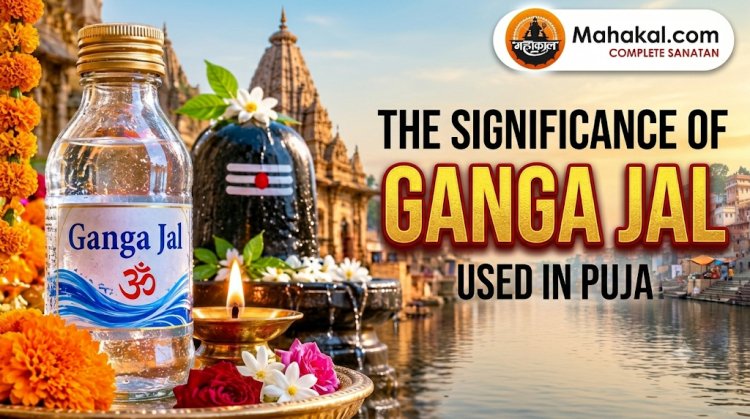
Importance of Gangajal in Hindu Worship and the Right Way to Store It
In Hinduism, the River Ganga is not considered just a river but a sacred mother figure known as Maa Ganga. According to religious beliefs, the Ganga is associated with purity, spiritual liberation and divine blessings.
Gangajal, or holy water from the River Ganga, holds a special place in Hindu traditions. It is commonly used during daily prayers, religious ceremonies, havans, rituals and auspicious occasions.
Many Hindu households keep Gangajal in their home temples and use it for purification and worship. But do you know how to store Gangajal properly and what traditional practices are associated with it? Let us explore its religious importance, uses and correct storage methods.
1. Religious Significance of Gangajal
Gangajal is considered sacred in Hindu religious traditions. The River Ganga is worshipped as a divine goddess and is traditionally known as Mokshadayini, meaning the giver of spiritual liberation.
Its religious significance includes:
-
Symbol of Purity: Gangajal represents spiritual cleanliness and sacredness.
-
Purification Rituals: It is sprinkled in homes and पूजा areas before religious ceremonies.
-
Spiritual Positivity: According to traditional beliefs, Gangajal helps create a peaceful and sacred atmosphere.
-
Connection with Moksha: The River Ganga is associated with liberation and spiritual purification.
-
Worship of Deities: Gangajal is used in various rituals and devotional offerings.
2. How Is Gangajal Used in Hindu Worship?
Gangajal has several traditional uses in Hindu religious practices.
1. Purification of the Puja Area
A few drops of Gangajal are sprinkled around the prayer area before beginning daily worship. This symbolizes spiritual purification.
2. Abhishek of Deities
Gangajal is offered to various Hindu deities. It is especially associated with the worship of Lord Shiva, where devotees offer it to the Shivling.
3. Kalash Sthapana
During festivals such as Navratri, housewarming ceremonies and weddings, Gangajal is traditionally added to the sacred Kalash.
4. Havan and Religious Ceremonies
Gangajal is used in different religious rituals as a symbol of purity and auspiciousness.
5. Auspicious Occasions
During weddings, housewarming ceremonies and other important occasions, Gangajal is sprinkled as part of traditional purification rituals.
3. The Right Way to Store Gangajal at Home
Keeping Gangajal at home is considered auspicious in Hindu traditions. Proper storage helps keep it clean and protected.
Follow these traditional practices:
-
Store Gangajal in a clean and dry container.
-
Traditionally, copper, brass and glass containers are used.
-
A clean glass bottle with a proper lid is also a suitable option.
-
Always keep the container tightly covered.
-
Protect it from dust, dirt and other impurities.
-
Store it away from excessive heat and direct sunlight.
-
Use a clean spoon or separate vessel whenever taking out Gangajal.
4. How to Preserve Gangajal for a Long Time
Many people wonder how Gangajal can be preserved for an extended period.
Here are some useful precautions:
-
Clean and completely dry the container before storing the water.
-
Collect Gangajal from a clean and reliable source.
-
Avoid touching the stored water with unclean hands.
-
Keep the bottle tightly closed.
-
Protect it from dust, smoke and environmental contamination.
-
Do not consume the water if you notice an unusual smell, visible dirt or a change in appearance.
Important: Although Gangajal is considered sacred in Hinduism, religious purity does not automatically mean that water is safe for drinking. Always consider its actual water quality before consumption.
5. Where Should Gangajal Be Kept at Home?
According to traditional Hindu beliefs, Gangajal should preferably be kept in the home temple or a clean and sacred place.
-
Keep it in a clean and elevated location.
-
Avoid placing it directly on the floor.
-
Keep it away from footwear and waste materials.
-
Clean the storage container regularly.
-
Store it in a safe place where it cannot be accidentally spilled.
6. Important Religious Practices Related to Gangajal
Some traditional practices should be followed while handling Gangajal:
-
Always handle Gangajal with devotion and respect.
-
Use clean Gangajal for religious ceremonies.
-
Avoid placing it in dirty or unsuitable locations.
-
Follow your family traditions and the prescribed पूजा विधि.
-
Avoid wasting Gangajal unnecessarily.
7. Spiritual Message of Gangajal
Gangajal is more than just water used in religious ceremonies. It represents India's spiritual heritage, devotion and cultural traditions.
The worship of Maa Ganga teaches us the importance of purity, kindness, service and respect for nature.
The River Ganga is also an important natural resource. Therefore, protecting its cleanliness and preventing water pollution should be considered an essential responsibility alongside religious devotion.
Conclusion
Gangajal holds a special place in Hindu worship and spiritual traditions. From daily prayers and Abhishek to Kalash Sthapana and religious ceremonies, it has been used for generations.
Keeping Gangajal in a clean and properly covered container helps protect it from contamination. True devotion to Maa Ganga also means respecting nature and contributing towards the cleanliness and conservation of the sacred river.
What's Your Reaction?