Jagannath Rath Yatra 2026: Date, History, Significance, Rituals & Spiritual Importance
Discover Jagannath Rath Yatra 2026 date, Panchang, history, mythology, significance, rituals, Bahuda Yatra, Hera Panchami, Suna Besha, chariots, and spiritual importance.
Jagannath Rath Yatra 2026: Date, History, Significance, Rituals & Spiritual Importance
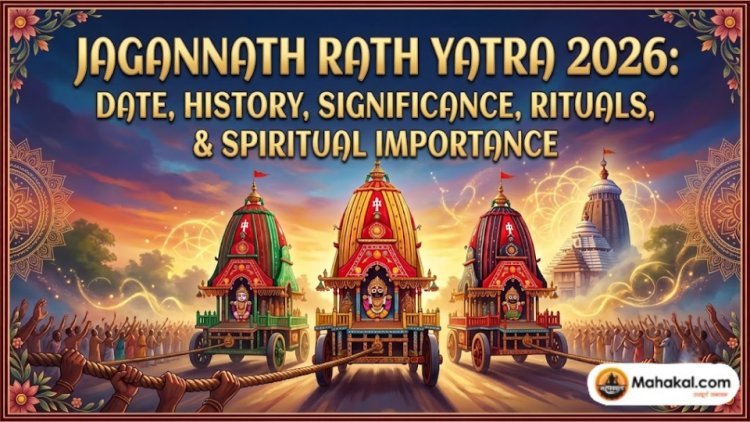
The Jagannath Rath Yatra 2026 is one of the most sacred and spectacular Hindu festivals, celebrated annually in Puri, Odisha. Dedicated to Lord Jagannath, an incarnation of Lord Krishna, this grand Chariot Festival symbolizes devotion, equality, and the divine journey of the Lord to bless His devotees. Every year, millions of pilgrims from India and across the world gather to witness this magnificent procession of Lord Jagannath, Lord Balabhadra, and Goddess Subhadra.
Experience Sanatan Dharma at Your Space, Download the Mahakal.com App Today.
What Is Jagannath Rath Yatra?
Jagannath Rath Yatra is an annual Hindu festival celebrated on the Dwitiya Tithi of Shukla Paksha in the month of Ashadha (June–July). During this sacred journey, the three deities leave the sanctum of the Jagannath Temple and travel approximately 3 kilometers to the Gundicha Temple, where they stay for seven days before returning to their abode.
The festival reflects the belief that the Lord Himself comes out of the temple to bless all devotees, irrespective of caste, creed, or social status.
Jagannath Rath Yatra 2026: Date and Panchang
|
Key Details |
Information |
|
Festival Name |
Jagannath Rath Yatra |
|
Date |
Thursday, 16 July 2026 |
|
Day |
Thursday |
|
Tithi |
Ashadha Shukla Dwitiya |
|
Nakshatra |
Ashlesha |
|
Sunrise |
05:33 AM |
|
Sunset |
07:20 PM |
|
Suggested Puja Muhurat |
05:33 AM to 12:00 PM (Shubh Muhurat) |
Dwitiya Tithi Timings
- Dwitiya Tithi Begins: 15 July 2026 at 11:50 AM
- Dwitiya Tithi Ends: 16 July 2026 at 08:52 AM
Note: Jagannath Rath Yatra is observed on Thursday, 16 July 2026, as the Ashadha Shukla Dwitiya Tithi prevails during sunrise, which is the traditional basis for determining the festival date according to the Hindu Panchang.
History of Jagannath Rath Yatra
The origins of Jagannath Rath Yatra date back several centuries, making it one of the world's oldest continuously celebrated chariot festivals. The Jagannath Temple in Puri, built in the 12th century, has been the center of this grand tradition for generations.
According to a popular legend, Lord Jagannath, along with Lord Balabhadra and Goddess Subhadra, visits the Gundicha Temple once every year, which is lovingly regarded as the home of His Mausi (maternal aunt) by devotees. The three deities stay there for seven days, giving devotees an opportunity to seek their blessings outside the main temple.
During the return journey (Bahuda Yatra), Lord Jagannath stops at the Mausi Maa Temple, where He is offered Poda Pitha, a traditional baked rice cake believed to be His favorite. During this period, Hera Panchami is also observed, when Goddess Lakshmi symbolically visits the Gundicha Temple to bring Lord Jagannath back home. This beautiful tradition represents divine love, family bonds, compassion, and the Lord's desire to bless every devotee equally.
Spiritual Significance of Jagannath Rath Yatra
Jagannath Rath Yatra carries profound spiritual meaning for devotees.
The festival symbolizes:
- The Lord's compassion for all humanity.
- Equality, as everyone can have darshan of the deities.
- The journey of the soul towards divine consciousness.
- Removal of ego and attachment.
- Devotion, surrender, and faith in God.
Traditionally, people who could not enter the Jagannath Temple were able to receive the Lord's blessings during the Rath Yatra, making the festival a powerful symbol of inclusiveness and unity.
The Three Divine Chariots
A unique feature of Jagannath Rath Yatra is the construction of three magnificent wooden chariots every year using traditional methods.
1. Nandighosha – Lord Jagannath
- Height: Approximately 45 feet
- Wheels: 18
- Color Theme: Yellow and Red
2. Taladhwaja – Lord Balabhadra
- Height: Approximately 44 feet
- Wheels: 16
- Color Theme: Green and Red
3. Darpadalana (Devadalana) – Goddess Subhadra
- Height: Approximately 43 feet
- Wheels: 14
- Color Theme: Black and Red
Thousands of devotees pull these giant chariots with thick ropes through the Grand Road (Bada Danda), considering it a highly auspicious act.
Major Rituals of Jagannath Rath Yatra
Chandan Yatra
The preparations begin with Chandan Yatra, a 42-day festival that marks the ceremonial start of Rath Yatra preparations and chariot construction.
Akshaya Tritiya
On Akshaya Tritiya, the construction of the three sacred chariots officially begins with Vedic rituals and special prayers.
Snana Yatra
Before Rath Yatra, Lord Jagannath, Balabhadra, and Subhadra are bathed with 108 sacred pots of water during Snana Yatra.
Following the ritual bath, the deities are believed to fall ill and remain away from public view for about fifteen days in a period known as Anasara.
Rath Yatra
On the auspicious day of Ashadha Shukla Dwitiya, the deities are ceremoniously placed on their respective chariots and begin their journey to the Gundicha Temple amid devotional chants and celebrations.
Hera Panchami
Five days after Rath Yatra, Goddess Lakshmi visits the Gundicha Temple in search of Lord Jagannath. This unique ritual symbolizes divine love and playful emotions between the divine couple.
Bahuda Yatra
After spending seven days at Gundicha Temple, the deities return to the Jagannath Temple in the Bahuda Yatra, which is celebrated with equal devotion and grandeur.
Suna Besha
After returning to Puri, the deities are adorned with magnificent gold ornaments in the famous Suna Besha (Golden Attire) ceremony, attracting lakhs of devotees every year.
Special Offering: Poda Pitha
During the return journey, Lord Jagannath stops at the Mausi Maa Temple, where He is offered Poda Pitha, a traditional baked rice cake considered one of His favorite delicacies.
Why Is Jagannath Rath Yatra So Special?
Jagannath Rath Yatra is much more than a religious procession.
It represents:
- Equality among all devotees
- Divine accessibility outside the temple
- Renewal of faith and devotion
- Preservation of centuries-old traditions
- Community participation and service
Pulling the sacred chariot is believed to bring immense spiritual merit and divine blessings.
Jagannath Rath Yatra Around the World
The festival has gained global recognition over the decades. Inspired by the teachings of A. C. Bhaktivedanta Swami Prabhupada, Rath Yatra celebrations are now held in major cities across the world.
Devotees celebrate with colorful chariot processions, devotional singing (kirtan), cultural programs, and the distribution of prasadam, spreading the message of Lord Jagannath's universal love.
Conclusion
Jagannath Rath Yatra is one of Hinduism's most sacred festivals, representing devotion, equality, and divine grace. Every aspect of the festival—from the construction of the grand chariots to the return journey of the deities—reflects centuries of tradition and deep spiritual symbolism.
Whether witnessed in Puri or celebrated elsewhere in the world, Rath Yatra reminds devotees that the Lord steps out of His temple to bless everyone equally, inspiring faith, unity, and spiritual awakening.
Frequently Asked Questions (FAQs)
1. What is Jagannath Rath Yatra?
Jagannath Rath Yatra is an annual Hindu chariot festival held in Puri, Odisha, during which Lord Jagannath, Lord Balabhadra, and Goddess Subhadra travel from the Jagannath Temple to the Gundicha Temple in grand wooden chariots.
2. Why is Jagannath Rath Yatra celebrated?
The festival commemorates Lord Jagannath's annual journey to the Gundicha Temple and symbolizes divine compassion, equality, and the opportunity for all devotees to receive the Lord's blessings.
3. What are the names of the three chariots in Jagannath Rath Yatra?
The three chariots are:
- Nandighosha – Lord Jagannath
- Taladhwaja – Lord Balabhadra
- Darpadalana (Devadalana) – Goddess Subhadra
Also Read :
- Jagannath Rath Yatra 2026
- Jagannath Rath Yatra Date 2026
- Jagannath Rath Yatra
- Puri Rath Yatra 2026
- what is the Jagannath Rath Yatra History?
- Jagannath Rath Yatra Significance
- Jagannath Rath Yatra Rituals
What's Your Reaction?