Kajari Teej 2026: Date, Vrat Katha, Puja Vidhi, Significance & Moon Worship
Kajari Teej 2026 falls on August 31. Know the date, Vrat Katha, Puja Vidhi, significance, fasting rules, Puja Samagri and Moon worship traditions.
Kajari Teej 2026: Date, Vrat Katha, Puja Vidhi, Significance, Rituals & Moon Worship
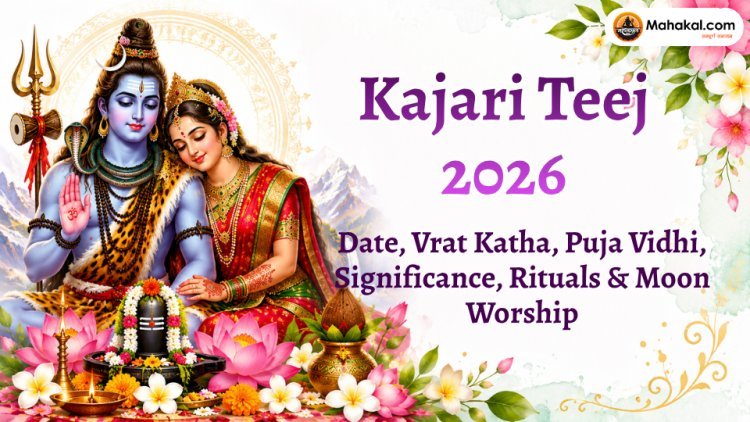
Kajari Teej 2026 is an important Hindu festival dedicated to Goddess Parvati and Lord Shiva. Also known as Kajli Teej, Kajari Teej, Badi Teej and Satudi Teej, the festival is observed mainly in several parts of North and Central India.
On Kajari Teej, married women traditionally observe a fast and pray for their husband's long life, marital happiness, family prosperity and well-being. Unmarried women may also observe the fast with prayers for a suitable life partner.
When is Kajari Teej 2026?
Kajari Teej 2026: Monday, August 31, 2026
Tithi: Bhadrapada Krishna Paksha Tritiya
Festival: Kajari Teej
Other Names: Kajli Teej, Badi Teej, Satudi Teej
According to Panchang calculations, the Tritiya Tithi begins on August 30 and continues into August 31. Exact Tithi and Puja timings can vary according to location, so devotees should check their local Panchang for the precise timings.
What is Kajari Teej?
Kajari Teej is one of the traditional Teej festivals celebrated during the monsoon season.
It is observed after Hariyali Teej and is associated with the worship of Lord Shiva and Goddess Parvati.
In several regions, Kajari Teej is also celebrated with traditional Kajri folk songs, swings, festive gatherings and cultural activities.
Religious Significance of Kajari Teej
Kajari Teej is traditionally associated with the devotion of Goddess Parvati toward Lord Shiva.
According to Hindu tradition, Goddess Parvati performed intense penance to receive Lord Shiva as her husband. Her devotion and determination are remembered through various Teej traditions.
Married women traditionally pray for:
- Long life and well-being of their husbands
- A happy married life
- Family peace
- Prosperity
- Love and harmony in the family
- Overall well-being of loved ones
Kajari Teej Vrat Katha
The traditional stories associated with Teej festivals revolve around Goddess Parvati's devotion and penance for Lord Shiva.
According to a popular tradition, Parvati deeply desired Lord Shiva as her husband. She performed severe penance and remained devoted to him despite facing difficulties.
Her unwavering devotion pleased Lord Shiva, who accepted her as his wife.
The story is traditionally remembered as a symbol of faith, devotion, patience and determination.
Different regions may follow different versions of the Kajari Teej Vrat Katha, so local and family traditions should be respected.
Kajari Teej Puja Vidhi
Devotees can perform a simple Shiva-Parvati Puja at home.
Simple Puja Procedure
- Wake up early and take a bath.
- Wear clean or traditional clothes.
- Clean the Puja area.
- Place idols or pictures of Lord Shiva and Goddess Parvati.
- Light a Diya and incense.
- Offer flowers to Shiva and Parvati.
- Offer Bel Patra to Lord Shiva according to tradition.
- Offer Kumkum, Sindoor and traditional Shringar items to Goddess Parvati.
- Offer fruits and sweets.
- Read or listen to the Kajari Teej Vrat Katha.
- Chant Shiva and Parvati Mantras.
- Perform Aarti.
- Pray for family happiness and prosperity.
- Follow the local tradition for Moon worship and breaking the fast.
Puja customs can vary according to region and family tradition.
Kajari Teej Puja Samagri
Common Puja items include:
- Lord Shiva idol or picture
- Goddess Parvati idol or picture
- Flowers
- Bel Patra
- Fruits
- Coconut
- Diya
- Incense sticks
- Camphor
- Kumkum
- Sindoor
- Roli
- Akshat
- Sweets
- Kalava
- Water
- Panchamrit
- Traditional Shringar items
Some regions also have special traditions involving Neem or Neemdi Mata during Kajari Teej celebrations.
Kajari Teej Vrat
Many women observe a Kajari Teej Vrat as an expression of devotion.
Fasting practices vary between families and regions. Some women observe a Nirjala fast, while others follow a fruit-based or Satvik fasting routine.
Fasting is a personal religious practice and should be followed according to one's health and family tradition. Extreme fasting is not necessary to demonstrate devotion.
Moon Worship on Kajari Teej
In several regions, Moon worship is an important part of Kajari Teej traditions.
After seeing the Moon, women may offer Arghya with water and pray for the well-being and prosperity of their families.
The exact Moon-worship ritual and the time for breaking the fast can differ according to regional customs.
What to Do on Kajari Teej?
Devotees can:
- Worship Lord Shiva and Goddess Parvati.
- Observe the Kajari Teej fast.
- Listen to the Vrat Katha.
- Chant Shiva Mantras.
- Offer Bel Patra to Lord Shiva.
- Offer Shringar items to Goddess Parvati.
- Perform Aarti.
- Donate food or clothes to people in need.
- Participate in traditional Kajri songs and cultural activities.
- Offer Arghya to the Moon according to local tradition.
What Not to Do on Kajari Teej?
Devotees generally try to maintain a peaceful and positive environment on the festival.
Avoid:
- Unnecessary arguments and anger.
- Negative behaviour.
- Insulting or hurting others.
- Observing extreme fasting beyond your physical capacity.
- Performing religious rituals merely for show.
The main purpose of the festival is faith, devotion, prayer and spiritual discipline.
Kajari Teej vs Hariyali Teej
| Feature | Hariyali Teej | Kajari Teej |
|---|---|---|
| Lunar Period | Shravan Shukla Paksha | Bhadrapada Krishna Paksha |
| Season | Monsoon | Monsoon |
| Main Deities | Shiva-Parvati | Shiva-Parvati |
| Other Name | Choti Teej | Kajli Teej / Badi Teej |
| Main Themes | Monsoon, greenery & devotion | Vrat, devotion & regional traditions |
| Moon Worship | Depends on tradition | Followed in several regional traditions |
Although both are Teej festivals associated with Shiva-Parvati devotion, Hariyali Teej and Kajari Teej are different festivals.
Why is Kajari Teej Special in 2026?
Kajari Teej will be observed on Monday, August 31, 2026.
The festival combines religious devotion with the cultural traditions of the monsoon season. In many regions, women dress traditionally, apply mehndi, sing Kajri songs and participate in festive gatherings.
Kajari Teej FAQs
When is Kajari Teej 2026?
Kajari Teej 2026 will be observed on Monday, August 31, 2026.
What is another name for Kajari Teej?
Kajari Teej is also known as Kajli Teej, Badi Teej and Satudi Teej in different regions.
Which gods are worshipped on Kajari Teej?
Lord Shiva and Goddess Parvati are primarily worshipped on Kajari Teej.
Why do women observe Kajari Teej?
Married women traditionally observe the fast for marital happiness, their husband's well-being and family prosperity.
Is Moon worship performed on Kajari Teej?
In several regional traditions, women offer Arghya to the Moon after Moon sighting. The exact practice varies by region.
Is Kajari Teej the same as Hariyali Teej?
No. They are two different Teej festivals, although both are associated with Shiva-Parvati worship and women's devotional traditions.
What's Your Reaction?