Kartik Maas 2026: Significance, Importance of Deepdan, Rituals and Major Festivals
Discover the religious significance of Kartik Maas 2026, beginning with Kartik Snan on October 26. Learn about the importance of Deepdan, Tulsi Puja, Lord Vishnu worship, traditional rituals, and major Hindu festivals, including Diwali, Chhath Puja, Dev Uthani Ekadashi, Tulsi Vivah, and Kartik Purnima. Explore the spiritual traditions of Kartik Maas and its special significance in Ujjain.
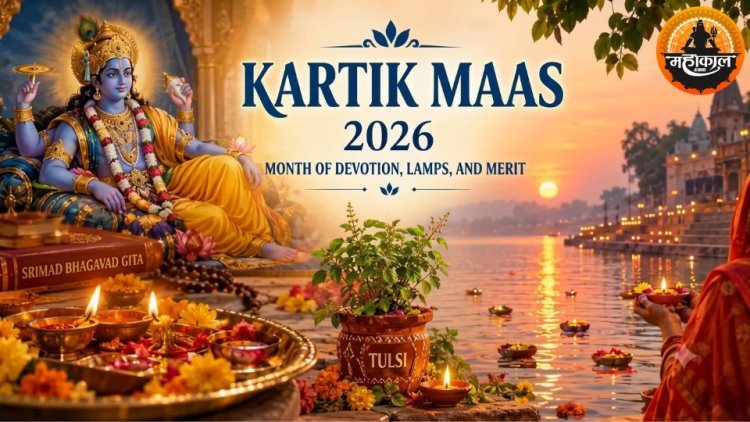
Kartik Maas 2026: Significance, Importance of Deepdan,
Rituals and Major Festivals
Introduction: When Does Kartik Maas Begin in 2026?
Kartik Maas is one of the most sacred months in the Hindu lunar calendar. It holds special significance for devotees of Lord Vishnu, Lord Shiva, Goddess Lakshmi and Tulsi Mata. In 2026, Kartik Snan and related religious observances begin on 26 October. According to the North Indian Purnimanta calendar, Kartik Maas runs from 27 October to 24 November 2026.
During this holy month, devotees perform early morning baths, offer prayers, light oil lamps, observe fasts, donate to those in need and visit sacred temples. Kartik Maas is traditionally associated with devotion, purity, spiritual discipline and acts of kindness.
Kartik Maas is considered an auspicious time for worship, charity and spiritual practices. Religious traditions associate this month with Lord Vishnu, Tulsi worship, sacred bathing and Deepdan. Devotees use this period to strengthen their faith, follow a disciplined routine and participate in charitable activities.
1. Importance of Worshipping Lord Vishnu
Kartik Maas holds special importance for devotees of Lord Vishnu and Lord Krishna. Daily prayers, devotional songs, fasting and the recitation of sacred texts are common practices during this period.
Dev Uthani Ekadashi is particularly significant because it is traditionally associated with the awakening of Lord Vishnu from Yog Nidra. Devotees worship the Lord and pray for peace, prosperity and well-being.
2. Importance of Kartik Snan
Kartik Snan refers to the traditional practice of taking a bath early in the morning during Kartik Maas. Devotees may bathe in sacred rivers, holy ponds or at home before offering prayers.
In Ujjain, the banks of the sacred Shipra River hold special religious significance. Devotees visit the river to pray, meditate and participate in traditional rituals.
Kartik Snan is regarded as a symbol of inner purification, self-discipline and spiritual devotion.
3. Importance of Tulsi Puja
Tulsi Puja is an important daily ritual during Kartik Maas. According to Hindu tradition, Tulsi Mata is especially dear to Lord Vishnu. Devotees offer prayers, light a lamp near the Tulsi plant and seek blessings for their families.
Tulsi Vivah is another important observance during this month. It celebrates the ceremonial marriage of Tulsi Mata with Lord Shaligram, a sacred form associated with Lord Vishnu.
4. Importance of Charity and Good Deeds
Kartik Maas encourages acts of charity, compassion and service. Donating food, clothes and essential supplies to people in need is considered a meaningful religious practice.
Devotees are encouraged to help others according to their ability, care for animals, maintain a disciplined lifestyle and cultivate kindness and gratitude.
Importance of Deepdan During Kartik Maas
Deepdan means offering or lighting lamps as an act of devotion. During Kartik Maas, devotees light lamps in temples, homes, near Tulsi plants and at sacred riverbanks.
The light of a lamp symbolizes knowledge, hope, positivity and the victory of light over darkness. Deepdan is particularly significant during Kartik Purnima, when many sacred places are illuminated with countless lamps.
Why Is Deepdan Performed?
1. Expression of Devotion: Offering a lamp is a traditional way to express faith and devotion to the divine.
2. Symbol of Light and Knowledge: A glowing lamp represents the removal of darkness and the importance of wisdom and positive thoughts.
3. Prayer for Peace and Prosperity: Devotees light lamps while praying for happiness, peace and well-being in their families.
4. Remembrance of Ancestors: In some Hindu traditions, lamps are also offered in remembrance of ancestors, according to family customs.
5. Significance of Dev Deepawali: Kartik Purnima is celebrated as Dev Deepawali at many sacred places, particularly in Varanasi, where the ghats are decorated with thousands of lamps.
How to Perform Deepdan During Kartik Maas
-
Take a bath in the morning and wear clean clothes.
-
Pray to Lord Vishnu, Lord Shiva or your chosen deity.
-
Light a lamp using ghee or sesame oil according to your tradition.
-
Offer a lamp near the Tulsi plant, taking care to keep the plant and surrounding area safe.
-
If you wish to perform Deepdan at a temple, follow its specific guidelines.
-
When offering lamps near a river or ghat, follow local safety and environmental rules.
-
Conclude the ritual with a prayer for peace, happiness and the well-being of all.
Deepdan can be performed according to one's faith, circumstances and family traditions.
Major Festivals During Kartik Maas 2026
Kartik Maas includes several important Hindu festivals and fasts. These include Karwa Chauth, Ahoi Ashtami, Rama Ekadashi, Dhanteras, Diwali, Govardhan Puja, Bhai Dooj, Chhath Puja, Dev Uthani Ekadashi, Tulsi Vivah and Kartik Purnima.
1. Karwa Chauth – 29 October 2026
Karwa Chauth is an important fasting festival observed by many married Hindu women. They traditionally observe a fast and pray for their husbands' long life and the well-being of their married lives. The fast is generally concluded after moonrise and the customary rituals.
2. Ahoi Ashtami – 1 November 2026
Ahoi Ashtami is traditionally observed by mothers praying for the well-being and prosperity of their children. Devotees worship Ahoi Mata and follow their family's customary fasting and prayer rituals.
3. Rama Ekadashi – 5 November 2026
Rama Ekadashi is dedicated to Lord Vishnu. Devotees observe a fast, offer prayers and recite sacred texts. The day is associated with devotion, self-control and spiritual reflection.
4. Dhanteras – 6 November 2026
Dhanteras marks an important beginning of the Diwali festive period. Devotees worship Lord Dhanvantari, Goddess Lakshmi and Lord Kubera according to their traditions. Many families clean their homes and purchase utensils or other auspicious items.
5. Naraka Chaturdashi – 8 November 2026
Naraka Chaturdashi, also known as Choti Diwali, is associated with the victory of good over evil. Traditional observances include bathing, prayers and lighting lamps.
6. Diwali and Lakshmi Puja – 8 November 2026
Diwali is one of the most widely celebrated Hindu festivals. Homes and temples are illuminated with lamps, and devotees worship Goddess Lakshmi and Lord Ganesha. Families pray for prosperity, happiness and auspicious beginnings.
7. Govardhan Puja – 10 November 2026
Govardhan Puja commemorates the traditional account of Lord Krishna lifting Govardhan Hill to protect the people of Braj. Devotees worship Govardhan, prepare Annakut offerings and express gratitude for nature and the nourishment it provides.
8. Bhai Dooj – 11 November 2026
Bhai Dooj celebrates the loving bond between brothers and sisters. Sisters traditionally apply a tilak to their brothers and pray for their happiness, prosperity and long life.
9. Chhath Puja – 15 November 2026
Chhath Puja is dedicated to Surya Dev, the Sun God, and Chhathi Maiya. Devotees observe traditional rituals, offer Arghya to the setting and rising Sun and pray for the well-being of their families.
The festival emphasizes purity, discipline, gratitude and respect for nature.
10. Gopashtami – 17 November 2026
Gopashtami is associated with Lord Krishna and the tradition of caring for cows. Devotees offer prayers and participate in Gau Seva, expressing gratitude and respect for cattle in Hindu religious culture.
11. Amla Navami – 18 November 2026
Amla Navami, also known as Akshaya Navami, is associated with the worship of the Amla tree and charitable activities. Devotees perform prayers and acts of charity according to their family and regional traditions.
12. Dev Uthani Ekadashi – 20 November 2026
Dev Uthani Ekadashi, also called Prabodhini Ekadashi, is associated with the awakening of Lord Vishnu from Yog Nidra. Devotees observe fasts, worship Lord Vishnu and participate in devotional activities.
The day is also associated with the traditional beginning of the auspicious wedding season in many Hindu communities.
13. Tulsi Vivah – 21 November 2026
Tulsi Vivah celebrates the ceremonial marriage of Tulsi Mata and Lord Shaligram. Devotees decorate the Tulsi plant, perform traditional wedding rituals and offer prayers for happiness and prosperity.
Depending on regional customs, Tulsi Vivah may be celebrated on Dev Uthani Ekadashi or on a subsequent day.
14. Vaikuntha Chaturdashi – 23 November 2026
Vaikuntha Chaturdashi is associated with the worship of both Lord Vishnu and Lord Shiva. Devotees visit temples and offer prayers according to local traditions. The observance highlights the spiritual connection between Hari and Har.
15. Kartik Purnima and Dev Deepawali – 24 November 2026
Kartik Purnima marks the full moon day and the conclusion of Kartik Maas according to the North Indian Purnimanta calendar. Sacred bathing, charity, prayers and Deepdan are especially significant on this day.
Dev Deepawali is celebrated with great devotion in Varanasi, where the ghats are illuminated with thousands of lamps. Kartik Purnima is also associated with the traditional story of Lord Shiva's victory over Tripurasura.
Guru Nanak Jayanti also falls on this date in 2026.
Festival date note: The dates above follow a 2026 Indian festival calendar. Some observances may vary by region, local Panchang calculations, sunrise or moonrise timings and family traditions. Confirm the relevant local Panchang before publishing exact fasting or puja dates.
What Should You Do During Kartik Maas?
Kartik Maas is an opportunity to focus on devotion, self-discipline, kindness and spiritual growth. Some traditional practices include:
-
Take a morning bath and remember your chosen deity.
-
Light a lamp in your home temple or near the Tulsi plant.
-
Worship Lord Vishnu, Lord Shiva and your family deity.
-
Read sacred texts and participate in devotional singing.
-
Donate food, clothing or essential supplies according to your ability.
-
Help people in need and participate in acts of service.
-
Follow a disciplined routine and practise kindness, gratitude and compassion.
These practices should be followed according to individual beliefs, health, circumstances and family traditions.
Significance of Kartik Maas in Ujjain
Ujjain is one of India's most important pilgrimage destinations and is renowned for the sacred Mahakaleshwar Jyotirlinga Temple dedicated to Lord Shiva.
During Kartik Maas, devotees visit Ujjain to seek the blessings of Baba Mahakal, participate in religious activities and experience the spiritual atmosphere of the city. The sacred Shipra River and the city's many temples add to its religious significance.
Pilgrims planning a visit to Ujjain may include Mahakaleshwar Temple Darshan and visits to other important religious sites in their itinerary.
Before travelling, check the latest temple timings, darshan arrangements, puja availability and local travel guidelines.
Conclusion
Kartik Maas is more than a month of religious festivals. It is a sacred period associated with devotion, charity, spiritual discipline and inner purification. Kartik Snan, Deepdan, Tulsi Puja and the worship of Lord Vishnu are among its most important traditional observances.
From Karwa Chauth and Diwali to Chhath Puja, Dev Uthani Ekadashi, Tulsi Vivah and Kartik Purnima, the festivals of this month reflect India's rich spiritual and cultural heritage.
This Kartik Maas, embrace devotion, light a lamp with faith, help those in need and spread the message of peace, compassion and positivity.
Jai Shree Mahakal!
What's Your Reaction?