Mystery of Bhartrihari Cave in Ujjain: Why Did King Bhartrihari Renounce His Kingdom? The Complete Story
Discover the history of Bhartrihari Cave in Ujjain, the legendary story of King Bhartrihari's renunciation, his connection with Vikramaditya, and its spiritual significance in the Nath tradition.
Mystery of Bhartrihari Cave in Ujjain: Why Did King Bhartrihari Renounce His Kingdom? The Complete Story
Ujjain, one of the most sacred cities in Madhya Pradesh, is famous not only for the Mahakaleshwar Jyotirlinga but also for its ancient temples, historical monuments, and mysterious spiritual destinations.
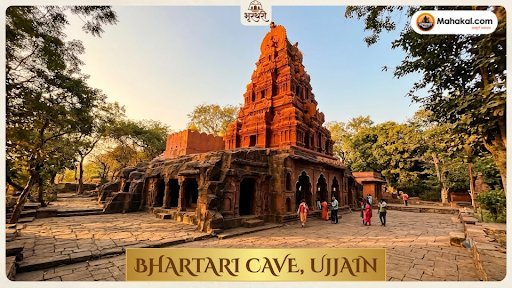
Among these remarkable places is Bhartrihari Cave, situated near the sacred Shipra River. This ancient site is traditionally associated with King Bhartrihari, who is believed to have renounced his royal life and chosen the path of meditation, yoga, and spirituality.
But have you ever wondered why a powerful king, who had a palace, wealth, authority, and every worldly comfort, decided to give everything up and become an ascetic?
The legendary story of King Bhartrihari is associated with love, trust, disappointment, and spiritual awakening. Let us explore the history of Bhartrihari Cave, the fascinating story of the king, and its religious significance.
1. Where Is Bhartrihari Cave Located in Ujjain?
Bhartrihari Cave is a famous historical and religious destination located in Ujjain, Madhya Pradesh, near the sacred banks of the Shipra River.
The cave is situated in the vicinity of the renowned Gadkalika Temple and is known for its ancient structure, peaceful atmosphere, and association with the Nath tradition.
Inside the cave, visitors can find small chambers, narrow passages, and religious shrines. Its unusual structure gives it a distinct identity among the spiritual attractions of Ujjain.
According to traditional beliefs, King Bhartrihari performed intense meditation and spiritual practices at this very location.
Even today, devotees, saints, and spiritual seekers visit this place to experience its peaceful surroundings and religious atmosphere.
2. Ancient History of Bhartrihari Cave
Bhartrihari Cave is an important part of Ujjain's historical and spiritual heritage.
Historical and tourism accounts generally associate the cave structures with the 10th to 11th century and the architectural traditions of the Paramara period. Several descriptions specifically place them in the 11th century.
The caves are named after King Bhartrihari, who is traditionally described as the brother or stepbrother of the legendary King Vikramaditya.
According to popular traditions, this place was associated with ancient meditation and monastic practices. Over time, it became an important spiritual destination connected with the Nath Sampradaya.
The small chambers, ancient religious structures, and distinctive architectural features offer visitors a glimpse into India's traditional spiritual heritage.
3. Who Was King Bhartrihari? His Connection with Vikramaditya
King Bhartrihari holds a special position in Indian literature, philosophy, and spiritual traditions.
According to popular legends, Bhartrihari was a ruler of Ujjain and is traditionally identified as the elder brother or stepbrother of King Vikramaditya.
He was not merely a king but was also remembered as a great Sanskrit scholar, poet, and philosopher.
Three famous collections of verses are traditionally associated with Bhartrihari:
-
Niti Shatakam: A collection of verses dealing with wisdom, morality, human behaviour, friendship, and practical life lessons.
-
Shringara Shatakam: A collection exploring love, beauty, attraction, and human emotions.
-
Vairagya Shatakam: A collection reflecting on detachment, the temporary nature of worldly pleasures, and spiritual wisdom.
Through these works, Bhartrihari explored three important dimensions of human life: love, wisdom, and renunciation.
4. Why Did King Bhartrihari Renounce His Kingdom? The Mysterious Story
The most popular legend about King Bhartrihari's renunciation revolves around a divine fruit believed to grant immortality.
According to a popular traditional story, a sage or Brahmin once presented King Bhartrihari with a special divine fruit. It was believed that whoever consumed this fruit would receive the blessing of extraordinary longevity or immortality.
The king deeply loved his queen. Instead of consuming the fruit himself, he decided to give it to her so that she could remain healthy and live a long life.
However, what happened next completely changed the course of his life.
According to the legend, the queen did not keep the fruit for herself. She passed it to another person whom she secretly loved. The fruit then passed through several hands before eventually returning to the king.
When Bhartrihari discovered the truth, he was deeply shocked. The love and trust he considered the foundation of his life were not what he had believed them to be.
This incident made him question the nature of human relationships and worldly attachments.
He began to understand that wealth, beauty, power, and relationships are temporary, and that worldly happiness cannot always provide lasting peace.
This story is narrated in different forms across regional traditions and is widely regarded as the central legend explaining his renunciation.
5. Why Did King Bhartrihari Leave His Palace and Become an Ascetic?
After the incident of the divine fruit, King Bhartrihari gradually developed a sense of detachment from worldly life.
He began reflecting on the temporary nature of royal power, wealth, beauty, and relationships.
According to popular tradition, he eventually handed over the responsibilities of the kingdom to his younger brother Vikramaditya and renounced his royal position.
He then chose the path of meditation, yoga, and spiritual discipline.
His transformation from a powerful ruler into an ascetic became a symbol of renunciation and self-realisation.
His life teaches that true happiness is not always found in external comforts but can also be discovered through inner peace, wisdom, and spiritual awareness.
6. Bhartrihari Cave and Its Connection with Guru Gorakhnath
Bhartrihari Cave holds special significance in the Nath Sampradaya, an ancient spiritual tradition associated with yoga and meditation.
Guru Gorakhnath and Guru Matsyendranath are among the most revered figures of this tradition.
The Nath tradition places great importance on meditation, self-discipline, yogic practices, and spiritual knowledge.
According to popular belief, King Bhartrihari received spiritual initiation from Guru Gorakhnath and followed the path of yoga under his guidance.
This association makes Bhartrihari Cave an important destination for followers of the Nath tradition.
Even today, Nath saints and ascetics can be seen in the surrounding area. For devotees, this place represents much more than an ancient cave; it is a symbol of spiritual discipline and renunciation.
7. What Can You See Inside Bhartrihari Cave?
One of the most fascinating features of Bhartrihari Cave is its distinctive ancient structure.
As visitors enter the cave, they encounter narrow passages and small chambers that reflect its unusual architectural design.
The cave complex contains religious images and places of worship. Its quiet and traditional atmosphere creates a different experience from that of ordinary temples.
The presence of saints and the nearby Shipra River further enhance the spiritual atmosphere of this destination.
For anyone interested in Ujjain's ancient history, spiritual traditions, and meditation practices, Bhartrihari Cave is a place worth exploring.
8. Religious and Spiritual Significance of Bhartrihari Cave
Bhartrihari Cave is not merely a tourist attraction. It is traditionally regarded as a symbol of renunciation, meditation, and spiritual wisdom.
Its importance can be understood through several aspects:
-
Inspiration for Renunciation: The story of King Bhartrihari reminds people that worldly attachments and pleasures are temporary.
-
Connection with the Nath Tradition: The cave is considered an important spiritual destination for followers of the Nath Sampradaya.
-
Tradition of Yoga and Meditation: Its association with spiritual practices highlights the importance of self-reflection and mental discipline.
-
Ancient Heritage of Ujjain: The cave represents an important part of the historical and religious identity of Ujjain.
A visit to this place offers an opportunity to reflect on the importance of inner peace alongside wealth, position, and material success.
9. Things to Remember Before Visiting Bhartrihari Cave
If you are planning a spiritual trip to Ujjain, you can include Bhartrihari Cave in your itinerary.
Here are a few important things to remember:
-
Some passages inside the cave are narrow and low, so visitors should walk carefully.
-
Elderly visitors and people with mobility difficulties should check the accessibility of the cave before entering.
-
Maintain cleanliness and silence inside the religious premises.
-
Respect the saints and local religious traditions.
-
Check local visiting arrangements and timings before planning your visit, especially during festivals.
You can also explore the nearby Gadkalika Temple and other religious destinations during the same trip.
10. Life Lessons from the Story of King Bhartrihari
The story of King Bhartrihari is much more than the tale of a king who abandoned his throne. It offers valuable lessons about love, trust, attachment, and spiritual understanding.
Some of the important lessons include:
First Lesson – Nothing in the World Is Permanent. Wealth, beauty, authority, and worldly pleasures change with time.
Second Lesson – True Peace Comes from Within. External comforts may provide temporary happiness, but lasting peace comes from inner balance and spiritual awareness.
Third Lesson – Knowledge Is Greater Than Wealth and Position. Bhartrihari's philosophical verses continue to inspire people to understand the deeper meaning of life.
Fourth Lesson – Self-Reflection Is Important. Every individual should take time to reflect on personal desires, relationships, and the purpose of life.
Conclusion
Bhartrihari Cave in Ujjain is an important symbol of India's historical heritage, spiritual traditions, and philosophy of renunciation.
The place reminds us of the legendary transformation of King Bhartrihari, who is believed to have given up his royal comforts and chosen the path of meditation and spiritual knowledge.
His story teaches us that the greatest achievement in life is not simply acquiring wealth, power, or recognition. It is also about understanding oneself and discovering the peace that comes from within.
If you ever visit Ujjain, do not miss the opportunity to explore Bhartrihari Cave along with the sacred Mahakaleshwar Jyotirlinga.
The historical surroundings and spiritual traditions of this ancient place will introduce you to a different and deeply meaningful side of Ujjain.
Jai Mahakal!
What's Your Reaction?