Kusha Asana: Religious Significance, Spiritual Benefits and Its Importance in Puja, Meditation and Mantra Chanting
Discover what Kusha Asana is, its significance in Hindu traditions and why it is used for puja, meditation, yoga and mantra chanting. Explore the spiritual importance of Darbha grass and order a natural 24 × 24-inch sacred grass meditation mat from Mahakal.com.
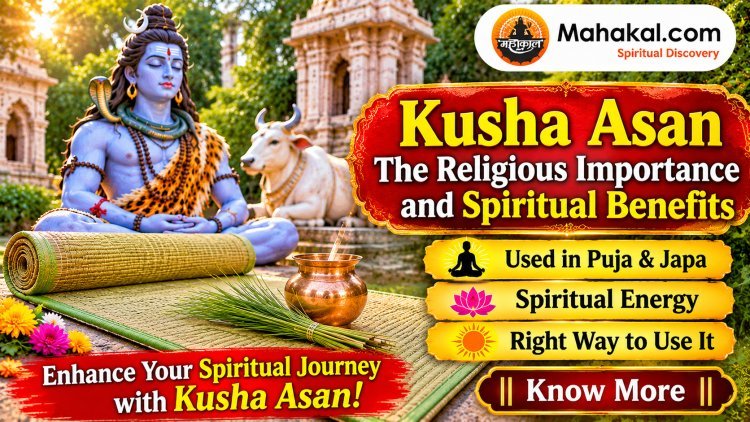
Introduction: Why Is a Special Asana Used During Hindu Worship and Meditation?
In Hindu traditions, worship, mantra chanting and meditation are considered important practices for developing concentration, devotion and spiritual awareness.
For centuries, Hindu sages and spiritual practitioners have used special types of seats or asanas during religious rituals and meditation. One of the most traditional and sacred among them is Kusha Asana, also known as Darbha Grass Asana.
Made from sacred Kusha or Darbha grass, this traditional seat has an important place in Vedic rituals, yajnas, havans, meditation and mantra chanting.
According to traditional Hindu beliefs, sitting on a Kusha Asana during spiritual practices represents purity, discipline and devotion.
But what exactly is Kusha Asana? Why is Darbha grass considered sacred? And why has this traditional seat been used by sages and devotees for generations?
Let us explore its religious history, spiritual significance and practical uses.
What Is Kusha Asana? Understanding the Sacred Darbha Grass
Kusha Asana is a traditional religious seat made from Kusha grass, also known as Darbha grass.
In Sanskrit, this sacred grass is commonly referred to as Kusha or Darbha. It is a natural grass traditionally associated with Hindu religious ceremonies and Vedic practices.
Kusha grass has been used in Indian religious traditions for centuries. Ancient scriptures and ritual practices mention its use in yajnas, havans, worship, Sankalp and other sacred ceremonies.
An asana prepared using this grass is known as Kusha Asana. Devotees and spiritual practitioners traditionally use it while performing puja, meditation, mantra chanting and spiritual discipline.
Why Is Kusha Grass Considered Sacred in Hinduism?
Kusha grass is not merely considered a natural material in Hindu traditions. It also carries deep religious and symbolic significance.
In Vedic rituals, Kusha is associated with purity, sacredness and religious discipline. It is traditionally used during various ceremonies, including yajnas, offerings and Sankalp.
Many Hindu rituals prescribe the use of Kusha grass as part of their traditional procedures.
Devotees believe that using Kusha during religious activities helps maintain the sacred atmosphere of the ritual and reminds the practitioner to remain focused and disciplined.
Mythological and Traditional Significance of Kusha Asana
Kusha grass holds an important position in Hindu religious traditions and is associated with several ancient practices.
It is traditionally connected with Vedic rituals and the worship of divine energies. Some religious traditions also associate Kusha with Lord Vishnu.
In certain interpretations of the Ramayana tradition, the name Kusha is associated with Lord Rama's son, Kusha. However, the mythological explanations concerning the sacred grass and the name Kusha are distinct in different traditions.
Ancient sages used Kusha during meditation, penance and yajnas. Its presence in these practices reflects its long-standing importance in Indian spiritual culture.
Kusha is also traditionally used in Shraddha, Tarpan, Sankalp and other rituals connected with ancestral worship.
Why Is Kusha Asana Used for Puja, Mantra Chanting and Meditation?
Kusha Asana is traditionally used as a seat during spiritual practices. Its significance is connected with both religious beliefs and practical considerations.
1. Symbol of Purity During Worship: According to Hindu traditions, sitting on Kusha Asana during puja represents purity, discipline and devotion.
2. Support for Mantra Chanting: Mantra chanting requires a stable and comfortable sitting position. A Kusha Asana provides a designated place for regular spiritual practice.
3. Meditation and Spiritual Practice: Maintaining a steady posture is important during meditation. Sitting on a Kusha Asana allows practitioners to focus on their breathing and thoughts.
4. Traditional Yoga Practice: Special asanas have been used in traditional yogic practices. A natural grass mat is one traditional option for sitting during such activities.
5. Use in Religious Ceremonies: Kusha grass has traditionally been used in yajnas, havans, puja, Sankalp and other Hindu rituals.
Significance of Chanting Mantras While Sitting on Kusha Asana
Mantra chanting is considered an important spiritual practice in Hinduism. Repeating sacred mantras with devotion helps practitioners develop concentration and direct their attention towards spiritual awareness.
The tradition of chanting mantras while sitting on Kusha Asana has been followed for generations.
According to religious beliefs, Kusha Asana provides a sacred and dedicated space for spiritual practice. Using the same seat regularly can also help develop discipline and consistency in meditation and chanting.
Devotees can traditionally chant mantras such as:
-
Om Namah Shivaya
-
Om Namo Bhagavate Vasudevaya
-
Om Gan Ganapataye Namah
-
Om Dum Durgaye Namah
-
Gayatri Mantra
-
Mahamrityunjaya Mantra
Mantra chanting should be performed according to one's spiritual tradition and, where appropriate, under the guidance of a knowledgeable teacher.
Why Is Kusha Asana Useful for Yoga and Meditation?
Maintaining a stable and comfortable posture is important during meditation. If someone remains seated in an uncomfortable position for a long time, physical discomfort may interrupt their concentration.
Kusha Asana provides a natural base for sitting during spiritual activities. Its traditional construction and natural material make it a meaningful choice for devotees who follow traditional meditation practices.
It can be used for:
-
Meditation in Padmasana.
-
Mantra chanting in Sukhasana.
-
Pranayama practice.
-
Morning and evening meditation.
-
Regular spiritual exercises.
The spiritual significance of Kusha Asana is based on traditional beliefs. Claims about removing negative energy or providing specific medical benefits should not be considered scientifically guaranteed.
Religious and Spiritual Benefits of Kusha Asana
According to Hindu religious traditions and spiritual practices, Kusha Asana is associated with several symbolic and devotional benefits.
1. Discipline in Spiritual Practice: Using the same asana regularly can help establish a consistent daily worship and meditation routine.
2. Practice of Concentration: Sitting steadily and chanting mantras encourages focus and mindfulness.
3. Sacred Spiritual Environment: A natural Kusha grass seat adds a traditional spiritual element to a personal worship space.
4. Connection with Ancient Traditions: Using Kusha Asana allows devotees to continue an ancient practice associated with Vedic and Hindu rituals.
5. Stability During Meditation: A properly made mat provides a natural sitting surface that can support a comfortable meditation posture.
Where Is Kusha Asana Used in Hindu Religious Practices?
The use of Kusha Asana is not limited to mantra chanting. Kusha grass has an important role in various Hindu religious activities.
-
Daily Puja: Used while performing regular worship at home.
-
Mantra Chanting: Traditionally used during Gayatri Mantra and Mahamrityunjaya Mantra recitation.
-
Meditation: Used as a sitting surface during spiritual concentration practices.
-
Yoga: Suitable as a traditional base for seated yoga and pranayama.
-
Havan and Yajna: Kusha grass is traditionally used during Vedic ceremonies.
-
Shraddha and Tarpan: Kusha is an important element in several ancestral rituals.
How to Use Kusha Asana Correctly
If you wish to include Kusha Asana in your daily worship or meditation routine, follow these general practices.
-
Choose a clean and peaceful place for worship or meditation.
-
Place the Kusha Asana on a clean and dry surface.
-
Sit comfortably on the mat.
-
Begin your puja, mantra chanting or meditation.
-
After use, keep the mat in a clean and dry place.
-
Avoid unnecessary moisture and protect the grass from prolonged dampness.
These simple practices can help you maintain your traditional meditation and worship routine.
24 × 24-Inch Sacred Darbha Grass Mat Available on Mahakal.com
If you are looking for a traditional Kusha Asana for puja, yoga and meditation, the 24 × 24-inch Darbha Grass Mat available on Mahakal.com can be a useful choice.
Made from sacred Darbha (Kusha) grass, this mat combines traditional spiritual significance with a natural design.
Its traditional construction makes it suitable for meditation, yoga, worship and various spiritual activities.
Key Features of the Darbha Grass Mat:
-
Size: 24 × 24 inches.
-
Natural Material: Made from sacred Darbha (Kusha) grass.
-
Yoga and Meditation: Suitable for regular yoga and meditation practices.
-
Puja and Mantra Chanting: Useful for daily worship and traditional rituals.
-
Eco-Friendly Design: Features a natural and traditional construction.
-
Comfort and Stability: Provides a natural sitting surface during spiritual practice.
-
Multiple Uses: Suitable for homes, temples and spiritual gatherings.
According to traditional beliefs, sacred Kusha grass is associated with a protective and positive spiritual atmosphere for practitioners.
Order Your Sacred Kusha Asana from Mahakal.com
Bring the traditional practice of Kusha Asana into your daily spiritual routine.
Through Mahakal.com, you can order a 24 × 24-inch Darbha Grass Mat from the comfort of your home.
Whether you regularly chant mantras, practise morning meditation, perform yoga or conduct religious rituals at home, this natural grass mat can become a useful addition to your spiritual space.
Order your sacred Darbha Grass Mat here:
Conclusion: Kusha Asana Is More Than a Seat – It Is a Symbol of Ancient Spiritual Traditions
Kusha Asana is an important part of India's ancient Vedic and spiritual heritage. For generations, sages and spiritual practitioners have used it during worship, mantra chanting, meditation and religious ceremonies.
Its traditional significance is associated with purity, discipline, stability and devotion.
Even today, many devotees include Kusha Asana in their daily worship and meditation routines.
If you also wish to bring a traditional touch to your puja, mantra chanting and meditation practices, order the 24 × 24-inch natural Darbha Grass Mat from Mahakal.com and make it a meaningful part of your spiritual journey.
Om Namah Shivaya!
What's Your Reaction?