Why Is Tulsi Vivah Celebrated? Discover 11 Religious Benefits, the Sacred Story and Spiritual Significance
Discover why Tulsi Vivah is celebrated, the traditional story of Goddess Tulsi and Lord Vishnu, its religious benefits, worship rituals and spiritual significance in Hinduism.
Content Blog
Why Is Tulsi Vivah Celebrated? Discover Its Religious Benefits and Sacred Spiritual Significance
Tulsi holds a special place in Hindu religious traditions. The sacred Tulsi plant is widely regarded as a symbol of purity, devotion and spiritual well-being. In many Indian households, devotees offer water to the plant, light a lamp near it and pray for peace and prosperity.
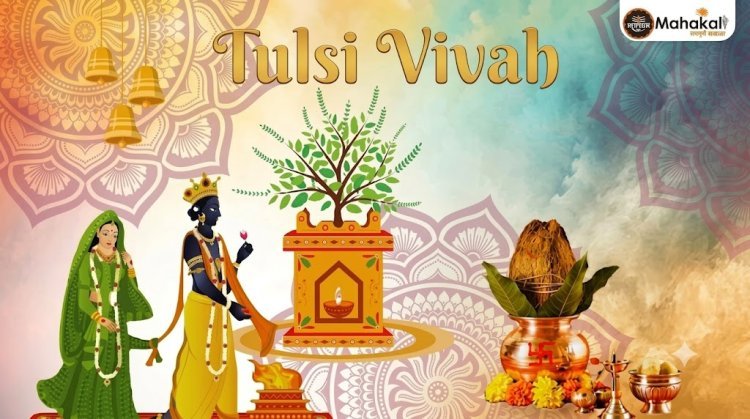
One of the most important traditions associated with Tulsi is Tulsi Vivah, a ceremonial marriage in which Goddess Tulsi is symbolically married to Lord Vishnu in his Shaligram form. The festival is generally observed during the Hindu month of Kartik, often on Dev Uthani Ekadashi or around that auspicious period. The exact date and customs may vary according to regional traditions and the Hindu calendar.
But why is Tulsi Vivah celebrated? What religious benefits are associated with this ceremony? What is the traditional story behind the sacred marriage of Tulsi and Lord Vishnu? Let us explore its mythology, religious significance and spiritual message in detail.
1. What Is Tulsi Vivah?
Tulsi Vivah is an important Hindu religious ceremony that symbolises the marriage of Goddess Tulsi with Lord Vishnu, commonly represented by the sacred Shaligram.
On this occasion, the Tulsi plant is decorated with flowers, traditional ornaments and other suitable decorations. The worship area is cleaned and adorned with lamps and rangoli. Shaligram is worshipped with traditional offerings, prayers and devotional rituals.
The ceremony may include wedding songs, symbolic marriage customs, devotional hymns and an aarti. Families follow their own regional and traditional practices while performing the ceremony.
Tulsi Vivah represents devotion, purity, commitment and prayers for family well-being. It is also a way of preserving religious customs and passing spiritual traditions on to younger generations.
2. Why Is Tulsi Vivah Celebrated?
Several religious beliefs and spiritual values are associated with Tulsi Vivah.
Devotion to Lord Vishnu: Tulsi is considered especially dear to Lord Vishnu. Worshipping Tulsi and performing the symbolic marriage with Shaligram is a traditional way of expressing devotion to the deity.
The beginning of an auspicious period: In many Hindu traditions, Dev Uthani Ekadashi marks the symbolic awakening of Lord Vishnu from his cosmic sleep. The period is traditionally associated with the resumption of auspicious ceremonies, although specific dates and wedding muhurats depend on the Hindu calendar.
Prayers for family well-being: Devotees perform Tulsi Vivah to pray for peace, harmony and happiness within their families.
Preservation of cultural heritage: The festival helps families teach younger generations about Hindu mythology, traditional worship and the cultural significance of the Tulsi plant.
3. The Traditional Story of Goddess Tulsi and Lord Vishnu
A widely known mythological story associated with Tulsi Vivah concerns Vrinda, also known as Brinda, and the demon king Jalandhara. Different Puranic texts and regional traditions narrate variations of this story.
According to a popular version, Vrinda was a devoted worshipper of Lord Vishnu and the wife of Jalandhara. Her devotion and chastity were believed to be connected with Jalandhara's extraordinary strength.
When Jalandhara's actions troubled the gods, they sought Lord Vishnu's help. In one traditional version of the story, Lord Vishnu performed a divine act that led to the breaking of Vrinda's trust. As a result, Jalandhara lost his power.
When Vrinda learned what had happened, she cursed Lord Vishnu. The story continues with Vrinda's association with the sacred Tulsi plant and its place in Hindu worship.
Lord Vishnu is traditionally believed to have honoured Vrinda's devotion by granting Tulsi a special place in religious practice. This is one of the mythological traditions associated with the worship of Tulsi and the ceremonial marriage with Shaligram.
The story explores themes of devotion, loyalty, sacrifice and faith. Its different versions should be understood as part of Hindu religious and mythological traditions rather than as verified accounts of modern historical events.
4. What Religious Benefits Are Associated with Tulsi Vivah?
According to Hindu religious beliefs, Tulsi Vivah is associated with several spiritual and devotional benefits. These are best understood within the context of faith and tradition, rather than as guarantees of specific material outcomes.
1. Prayers for the Blessings of Lord Vishnu
Tulsi is traditionally considered dear to Lord Vishnu. Devotees worship Tulsi and Shaligram to seek divine blessings, wisdom, peace and guidance in their lives.
2. Prayers for Peace and Harmony at Home
Tulsi Vivah brings families together for worship and prayer. Many devotees consider the ceremony an opportunity to seek harmony, happiness and auspiciousness within the household.
3. Prayers for a Happy Married Life
The ceremony is associated with the sacredness of marriage and commitment. Married couples may use the occasion to pray for mutual respect, trust, patience and affection in their relationship.
4. Prayers for a Suitable Life Partner
In some family traditions, unmarried devotees pray for a suitable life partner and a harmonious married life during Tulsi Vivah. This is a matter of religious faith and should not be understood as a guarantee that marriage obstacles will disappear.
5. Greater Spiritual Awareness
Participating in prayers, devotional singing, aarti and the telling of sacred stories provides an opportunity for reflection and spiritual engagement. These practices may also help devotees create moments of calm and focus in their daily lives.
6. Encouragement to Practise Charity
Some families donate food, clothing or useful items during the festival. Helping people in need reflects the values of compassion, generosity and service associated with religious life.
7. Stronger Family Bonds
Preparing the worship area, decorating the Tulsi plant and participating in the ceremony together can encourage cooperation and create meaningful family experiences.
8. Respect for Nature and Plants
Tulsi Vivah highlights the cultural and religious importance of the Tulsi plant. Caring for the plant can serve as a reminder to respect nature and act responsibly towards the environment.
9. Knowledge of Hindu Religious Traditions
The festival offers an opportunity for children and younger family members to learn about Goddess Tulsi, Lord Vishnu, Shaligram and the religious customs associated with Kartik.
10. Inspiration to Practise Good Values
Stories associated with Tulsi encourage reflection on devotion, dedication, sacrifice and sincerity. Applying these values through honesty, kindness and responsibility can make the spiritual message more meaningful.
11. A Symbol of Auspicious New Beginnings
Many families consider Tulsi Vivah a symbol of the arrival of an auspicious period. The festival encourages prayer, reflection and the beginning of new undertakings with positive intentions.
5. When Is Tulsi Vivah Celebrated?
Tulsi Vivah is generally observed during the bright fortnight of the Hindu month of Kartik, often on Dev Uthani Ekadashi or around that date.
Dev Uthani Ekadashi is also known as Prabodhini Ekadashi. According to Hindu religious belief, it marks the symbolic awakening of Lord Vishnu from his cosmic sleep.
Some regional traditions observe Tulsi Vivah on Dwadashi or perform related rituals at another auspicious time during the Kartik period.
Because the date changes each year, devotees should consult a reliable Hindu calendar, local temple announcement or regional panchang before planning the ceremony.
6. How to Perform Tulsi Vivah: Traditional Worship Rituals
The exact procedure for Tulsi Vivah differs among families and regions. A common traditional ceremony may include the following steps.
Step 1: Prepare the worship area. Clean the area around the Tulsi plant and decorate it with flowers, rangoli and lamps.
Step 2: Decorate Goddess Tulsi. Adorn the plant with a chunari, flowers and suitable traditional decorations. Avoid anything that could damage the plant.
Step 3: Worship Shaligram. Offer prayers and traditional items to Shaligram according to family customs.
Step 4: Make a prayerful intention. Pray for family well-being, peace and spiritual growth.
Step 5: Perform the symbolic marriage. Follow the local tradition for the ceremonial marriage of Tulsi and Shaligram. Some families include traditional wedding songs and other symbolic rituals.
Step 6: Perform aarti and distribute prasad. Complete the worship with aarti and share prasad with family members and guests.
Step 7: Practise charity. If possible, donate food or useful items to people in need.
Families who are unsure about the ritual procedure can seek guidance from a knowledgeable family elder or local priest.
7. What Should Be Kept in Mind During Tulsi Vivah?
Tulsi Vivah is observed with devotion and respect. The following practices can help make the ceremony thoughtful and safe:
Keep the worship area clean.
Decorate the Tulsi plant gently and avoid damaging its branches or leaves.
Use worship materials according to family tradition.
Keep lamps in safe locations and observe fire precautions.
Prioritise devotion and simplicity over expensive decorations or social competition.
Give donations according to your means.
Confirm the date and ritual procedure according to the local panchang and family customs.
The purpose of the ceremony is to express devotion and strengthen positive values, not to create unnecessary financial pressure.
8. The Religious and Cultural Importance of Tulsi
In Hindu traditions, Tulsi symbolises purity, devotion and dedication to Lord Vishnu. Many households have a daily practice of offering water, lighting a lamp or saying prayers near the plant.
Tulsi also has a place in traditional household practices because it is an aromatic plant with a long history of use in traditional remedies. However, it should not be treated as a substitute for appropriate medical care when someone is ill.
Tulsi Vivah gives the plant a special place in family and cultural celebrations. It also creates an opportunity to connect religious devotion with appreciation for the natural world.
9. What Is the Spiritual Message Behind Tulsi Vivah?
The deeper spiritual message of Tulsi Vivah centres on devotion, commitment, purity and respect.
The symbolic marriage encourages devotees to reflect on the meaning of religious rituals and the values they represent. The story of Tulsi inspires reflection on dedication and faith, while the worship of Lord Vishnu recalls the importance of righteousness and protection.
Devotees can bring these values into everyday life by practising honesty, respecting family members, caring for nature and showing compassion towards people in need.
When a religious ceremony inspires positive behaviour, its spiritual message becomes more meaningful than the ritual alone.
Conclusion:
What Do We Gain from Tulsi Vivah?
Tulsi Vivah is an important Hindu festival that celebrates devotion to Goddess Tulsi and Lord Vishnu. According to religious beliefs, devotees perform the ceremony to seek divine blessings and pray for peace, harmony and well-being within their families.
The spiritual values associated with Tulsi Vivah include devotion, commitment, charity, family unity and respect for nature. Its religious benefits should be understood as expressions of faith and tradition rather than guarantees of particular worldly outcomes.
The true message of Tulsi Vivah is to combine devotion with love, good conduct, compassion and respect for nature. By practising these values in everyday life, devotees can carry the spirit of this sacred festival beyond the day of celebration.
What's Your Reaction?