Why Are Holy Bathing and Deep Daan Important on Kartik Purnima? Discover the Religious Significance and Rituals
Discover the religious significance of bathing and Deep Daan on Kartik Purnima, traditional worship practices, the importance of charity, and what devotees can do on this sacred day.
Content Blog
Why Are Holy Bathing and Deep Daan Important on Kartik Purnima? Discover the Religious Significance and Rituals
The month of Kartik holds a special place in Hindu religious traditions. It is associated with worship, fasting, holy bathing, charity and the lighting of lamps. The full moon day of this month is known as Kartik Purnima, an important occasion for devotion, spiritual reflection and traditional religious observances.
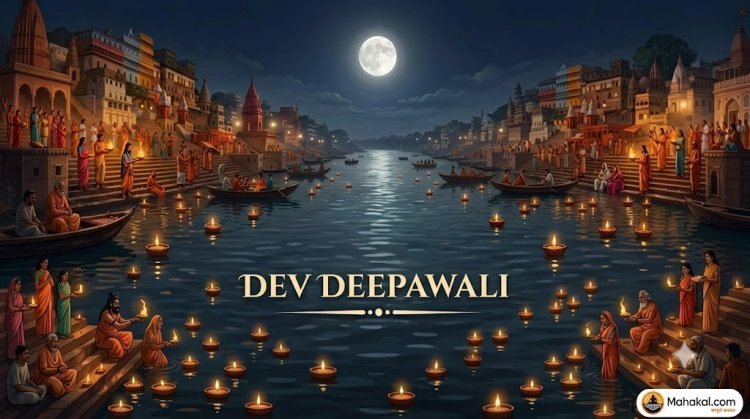
On Kartik Purnima, many devotees bathe in sacred rivers, visit temples, offer prayers, donate to people in need and perform Deep Daan in the evening. In some places, the occasion is also celebrated as Dev Deepawali. Varanasi, especially, is famous for the beautiful illumination of its ghats along the River Ganga.
But why do devotees bathe on Kartik Purnima? What is the religious significance of Deep Daan? What should people do on this sacred day? Let us explore the traditional beliefs, worship practices and spiritual message of Kartik Purnima in detail.
1. What Is Kartik Purnima?
Kartik Purnima is observed on the full moon day of the bright fortnight of the Hindu month of Kartik. It is one of the important religious occasions during this sacred month.
Across India, devotees observe the day through holy bathing, worship, lighting lamps and charitable activities. Temples may organise special prayers and religious gatherings.
Kartik Purnima is associated with different religious traditions connected with Lord Vishnu, Lord Shiva and sacred rivers. The specific customs and methods of worship may vary according to region and family tradition.
2. What Is the Significance of Bathing on Kartik Purnima?
Bathing in a sacred river or other suitable body of water on Kartik Purnima is an old religious tradition. According to Hindu beliefs, holy bathing symbolises spiritual purification, devotion and a renewed commitment to righteous living.
Religious significance of holy bathing
1. A symbol of purification: In religious tradition, bathing represents not only physical cleanliness but also the intention to cultivate a calm and pure mind.
2. Expression of devotion: After bathing, devotees often pray to their chosen deity and seek wisdom, peace and positive guidance in their lives.
3. A special observance during Kartik: Many devotees follow worship routines, fasting practices or lamp-lighting traditions throughout Kartik. Kartik Purnima offers an important occasion to continue or conclude these observances.
4. Connection with cultural heritage: Visiting a temple or taking part in a family religious tradition helps people remain connected with their cultural and spiritual roots.
5. Respect for water and nature: The sacred status of rivers reminds people of the importance of clean water and the responsibility to protect natural resources.
Holy bathing should be understood within its religious and spiritual context. It is not scientifically established that bathing on a particular date automatically removes every sin or cures illnesses.
3. Why Is Deep Daan Performed on Kartik Purnima?
Deep Daan, or the offering of lamps, is one of the important traditions associated with Kartik Purnima.
In Indian culture, a lamp symbolises light, knowledge, hope, purity and positive intentions. Devotees light lamps in their home temples, at religious sites or in designated areas near sacred rivers.
Religious beliefs associated with Deep Daan
Light over darkness: A lamp symbolises the importance of knowledge, wisdom and good conduct in overcoming ignorance and negativity.
Devotion to the divine: Offering a lamp expresses gratitude, faith and reverence towards God.
Prayers for peace and well-being: Devotees light lamps while praying for harmony and the welfare of their families and communities.
Inspiration to serve others: Many people combine religious observances with charitable donations of food, clothing or other essential items.
Spiritual reflection: The flame encourages people to reflect on their actions and cultivate humility, discipline and positive values.
Deep Daan is therefore more than a ritual. It can also represent a commitment to bringing knowledge, compassion and goodness into everyday life.
4. The Significance of Ganga Snan on Kartik Purnima
The River Ganga is regarded as sacred in Hinduism. According to religious beliefs, bathing in the Ganga is associated with devotion, spiritual purification and religious observance.
On Kartik Purnima, many devotees visit the Ganga and other sacred rivers. Varanasi, Prayagraj, Haridwar and other pilgrimage centres may witness religious activities during this period.
After bathing, devotees may offer prayers, remember their chosen deities and perform charitable acts according to their traditions.
People who cannot travel to a sacred river may bathe with clean water at home and spend time in prayer. Religious observances should always take personal health, weather conditions and safety into account.
5. The Connection Between Kartik Purnima and Lord Vishnu
Worshipping Lord Vishnu is an important practice during the month of Kartik. In many Vaishnava traditions, Kartik Purnima is an occasion for prayers, devotional singing, charity and religious ceremonies.
Some traditions also associate the day with mythological accounts connected with the Matsya Avatar and other stories of Lord Vishnu. Details can vary among religious texts and regional traditions.
Devotees may use this occasion to reflect on righteousness, compassion, wisdom and the importance of following a virtuous path.
6. The Religious Significance of Lord Shiva on Kartik Purnima
Lord Shiva also holds an important place in religious traditions associated with Kartik Purnima. Varanasi celebrates Dev Deepawali on this occasion with elaborate lighting and devotional ceremonies.
According to a popular Hindu mythological belief, Dev Deepawali is associated with Lord Shiva's victory over Tripurasura. The gods are believed to have celebrated this victory by lighting lamps.
This tradition is one reason why the ghats of Varanasi are decorated with thousands of lamps and why the Ganga Aarti is a major highlight of the celebration.
The specific explanations associated with Kartik Purnima and Dev Deepawali may vary among traditions, but devotion and the symbolism of light remain important elements of both.
7. What Should Devotees Do on Kartik Purnima?
Devotees can observe Kartik Purnima according to their faith, family customs and regional practices.
1. Take a morning bath
Begin the day with a bath using clean water. If you plan to bathe in a sacred river, choose a safe location and follow local safety instructions.
2. Worship your chosen deity
Offer prayers to Lord Vishnu, Lord Shiva or your family deity. Use flowers, a lamp and other traditional worship materials as appropriate.
3. Perform Deep Daan
Light a lamp in the home temple or at a designated religious location in the evening. If offering lamps near a river, follow local rules and avoid materials that may pollute the water.
4. Donate to people in need
Give food, clothing, grains or other useful items according to your means. Charity should be offered with compassion rather than for display or social recognition.
5. Practise mantra chanting and meditation
Spend some time in prayer, mantra chanting or meditation. These practices can provide an opportunity for concentration and spiritual reflection.
6. Listen to religious stories or devotional songs
Families may listen to stories associated with Kartik Purnima, Lord Vishnu, Lord Shiva or Dev Deepawali. This can help children understand the festival's cultural significance.
7. Protect nature and water resources
Keep rivers, lakes and ghats clean. Use environmentally responsible materials for Deep Daan and never leave plastic, harmful decorations or rubbish in the water.
8. What Precautions Should Be Taken on Kartik Purnima?
Religious festivals should be celebrated with devotion, care and responsibility. The following precautions are useful:
Choose a safe location for bathing.
Avoid deep water and areas with strong currents.
Donate according to your financial capacity.
Keep lamps away from flammable materials.
Do not throw plastic or harmful substances into rivers.
Follow family customs or consult a knowledgeable local priest if you are unsure about a ritual.
Be cautious of unsupported claims that a particular ritual guarantees financial gains or specific worldly results.
Respect for religious tradition and concern for personal safety can go hand in hand.
9. The Spiritual Message of Kartik Purnima
The meaning of Kartik Purnima extends beyond bathing and lighting lamps. The occasion encourages people to reflect on their thoughts, behaviour and responsibilities.
Bathing may be understood as a symbol of purification, while Deep Daan represents knowledge, hope and positive intentions. Charity reminds us to help others, and worship encourages humility and righteous conduct.
By supporting someone in need, spending meaningful time with family, protecting water resources and practising compassion, devotees can bring the spiritual message of the festival into everyday life.
Conclusion:
The True Significance of Bathing and Deep Daan on Kartik Purnima
Kartik Purnima is an important Hindu religious occasion associated with holy bathing, Deep Daan, worship and charity. According to religious beliefs, bathing symbolises purification, while lighting lamps represents devotion, knowledge and positive intentions.
Devotees may worship Lord Vishnu and Lord Shiva, help people in need and show respect for nature. Rituals and customs vary across regions, so it is appropriate to follow one's family traditions and local religious guidance.
The deeper message of Kartik Purnima is to illuminate the mind with faith, practise kindness, help those in need and protect the natural world. By carrying these values into everyday life, we can make the spirit of this sacred festival meaningful throughout the year.
What's Your Reaction?