Ayodhya Ram Mandir: History, Grand Architecture, Religious Significance and Complete Darshan Guide
Explore the history of Ayodhya Ram Mandir, its magnificent architecture, the sacred Ram Lalla idol, religious importance, darshan information and famous places to visit nearby.
Ayodhya Ram Mandir: History, Architecture and Complete Darshan Guide
India is home to many famous temples and pilgrimage destinations, but the Shri Ram Janmabhoomi Temple in Ayodhya holds a special place in the hearts of millions of devotees.
Located in Uttar Pradesh on the banks of the sacred Saryu River, Ayodhya is traditionally believed to be the birthplace of Lord Shri Ram. This ancient city has been an important centre of Hindu spirituality, culture and religious traditions for centuries.
The magnificent Ram Mandir is not just a place of worship but also a symbol of Indian heritage, devotion and traditional architecture. Devotees from across India and different parts of the world visit this sacred temple to seek the blessings of Ram Lalla.
1. Ancient History of Ayodhya Ram Mandir
The history of Ayodhya is deeply connected with ancient Indian religious scriptures, particularly the Ramayana.
According to Hindu religious beliefs, Lord Vishnu incarnated as Shri Ram in the royal family of King Dasharatha in Ayodhya.
Lord Ram is known as Maryada Purushottam, meaning the ideal human being who represents truth, righteousness, sacrifice and responsibility.
The Ram Janmabhoomi site has been an important centre of religious faith for centuries. However, the site also became the subject of a long-running historical and legal dispute.
On 9 November 2019, the Supreme Court of India delivered its historic judgment in the Ayodhya land dispute. The court allocated the disputed land for the construction of the Ram temple and directed that five acres of alternative land be provided for a mosque.
Following the judgment, the construction of the grand Ram Mandir began.
2. Important Dates in Ram Mandir Construction
Some important milestones in the construction of Ayodhya Ram Mandir include:
-
9 November 2019: The Supreme Court delivered its historic judgment on the Ayodhya land dispute.
-
5 August 2020: The Bhoomi Pujan ceremony was performed by Prime Minister Narendra Modi.
-
22 January 2024: The Pran Pratishtha ceremony of Ram Lalla was successfully conducted.
The Pran Pratishtha ceremony on 22 January 2024 was a historic occasion for millions of devotees.
On this day, the childhood form of Lord Shri Ram was consecrated in the sanctum of the newly constructed temple.
3. Magnificent Architecture of Ayodhya Ram Mandir
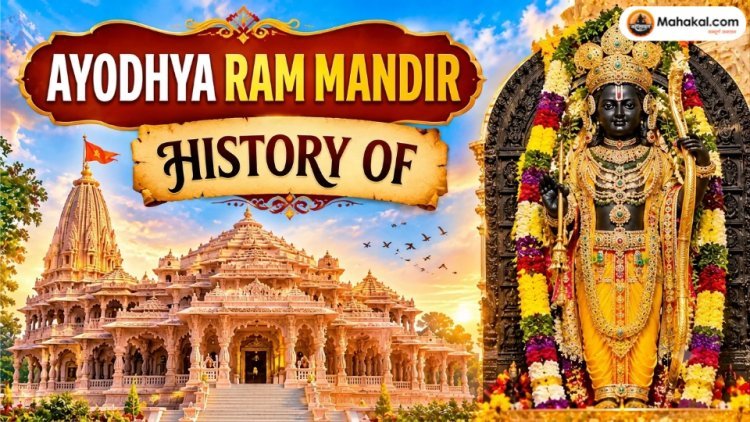
The Ayodhya Ram Mandir is an excellent example of traditional Indian temple architecture. It has been constructed in the Nagara style, which is traditionally associated with North Indian temples.
The temple features beautifully carved pillars, decorative stonework, attractive mandapas and an impressive shikhara.
Major Architectural Features:
-
Length: Approximately 380 feet.
-
Width: Approximately 250 feet.
-
Height: Approximately 161 feet.
-
Three-storey structure.
-
392 beautifully carved pillars.
-
44 doors.
-
Pink sandstone sourced from Bansi Paharpur in Rajasthan.
-
Traditional carvings depicting Hindu gods and goddesses.
One of the remarkable features of the temple is that iron has not been used in its traditional stone structural construction. Its architecture represents a beautiful combination of traditional craftsmanship and modern engineering.
4. Five Important Mandapas of Ram Mandir
The temple features five major mandapas, each with its own architectural and religious significance.
-
Nritya Mandap: Associated with traditional sacred dance.
-
Rang Mandap: An important architectural hall of the temple.
-
Sabha Mandap: Designed as an assembly hall.
-
Prarthana Mandap: A sacred space associated with prayers.
-
Kirtan Mandap: Associated with devotional singing and bhajans.
These mandapas enhance the beauty and spiritual atmosphere of the temple.
5. Ram Lalla Idol and the Sacred Garbhagriha
The Garbhagriha is the most sacred part of the Ram Mandir. It houses the idol of Lord Shri Ram in his childhood form, known as Ram Lalla.
The Pran Pratishtha ceremony was performed on 22 January 2024.
The new idol was sculpted by renowned artist Arun Yogiraj using Krishna Shila, a dark stone.
The childhood form of Lord Ram represents innocence, purity, love and divinity.
Devotees visit the sanctum to offer prayers and seek blessings for peace, happiness and prosperity.
6. Religious Significance of Ayodhya Ram Mandir
Ayodhya is considered one of the seven sacred cities of Hinduism, collectively known as Sapta Puri.
These cities hold special importance in Hindu religious traditions and are traditionally associated with spiritual liberation.
The religious significance of Ram Mandir goes beyond its association with the birthplace of Lord Shri Ram.
Lord Ram's life teaches important values such as:
-
Truth and righteousness.
-
Respect for parents and teachers.
-
Patience during difficult situations.
-
Honesty and responsibility.
-
Love, kindness and compassion.
For millions of devotees, visiting the Ram Mandir is an opportunity to experience devotion and spiritual peace.
7. How to Reach Ayodhya Ram Mandir
Ayodhya is connected through air, rail and road networks, making it accessible to pilgrims from different parts of India.
By Air: Maharishi Valmiki International Airport is the main airport serving Ayodhya.
By Train: Ayodhya Dham Junction and Ayodhya Cantt railway stations provide rail connectivity.
By Road: Visitors can reach Ayodhya by buses, taxis and private vehicles from major cities of Uttar Pradesh and neighbouring states.
Important Darshan Tips:
-
Follow all temple security guidelines.
-
Check the latest darshan timings before travelling.
-
Follow instructions regarding mobile phones and electronic devices.
-
Maintain cleanliness inside the temple premises.
-
Plan your visit in advance during festivals and holidays.
8. Famous Religious Places Near Ram Mandir
Ayodhya has several other famous temples and religious attractions that visitors can explore during their pilgrimage.
Hanuman Garhi
Hanuman Garhi is one of the most famous temples in Ayodhya. It is dedicated to Lord Hanuman and attracts thousands of devotees.
Kanak Bhawan
Kanak Bhawan is a beautiful temple dedicated to Lord Ram and Goddess Sita. It is known for its religious importance and peaceful atmosphere.
Saryu River and Ram Ki Paidi
The sacred Saryu River is an important part of Ayodhya's spiritual identity. Devotees visit its ghats for holy bathing, prayers and evening aarti.
Dashrath Mahal
Dashrath Mahal is a popular religious attraction traditionally associated with King Dasharatha, the father of Lord Shri Ram.
9. Best Time to Visit Ayodhya Ram Mandir
Ayodhya welcomes pilgrims throughout the year. However, certain festivals make the city particularly special.
-
Ram Navami: Celebrated as the birth festival of Lord Shri Ram.
-
Diwali: The city is decorated with thousands of lamps to celebrate the return of Lord Ram.
-
Vijayadashami: Celebrates the victory of righteousness over evil.
-
Kartik Purnima: A special occasion when devotees gather near the sacred Saryu River.
October to March is generally considered a comfortable period for visiting Ayodhya.
10. Life Lessons from Lord Shri Ram
The life of Lord Shri Ram offers timeless lessons that continue to inspire people across generations.
His life teaches us to:
-
Follow the path of truth and righteousness.
-
Respect parents, teachers and elders.
-
Remain patient during difficult times.
-
Fulfil responsibilities with honesty.
-
Treat everyone with kindness and compassion.
These teachings make Lord Shri Ram an inspiration for humanity.
Conclusion
The Shri Ram Janmabhoomi Temple in Ayodhya is a magnificent symbol of India's spiritual heritage, culture and devotion.
Its historical journey, beautiful Nagara-style architecture and sacred Ram Lalla idol make it one of the most significant pilgrimage destinations in the country.
A visit to Ayodhya provides an opportunity to experience the spiritual atmosphere of Lord Shri Ram's birthplace and understand the timeless values of his life.
Jai Shri Ram!
What's Your Reaction?