Ujjain Simhastha Kumbh Mela 2028: History, Significance, Royal Bathing and Complete Guide
Explore Ujjain Simhastha Kumbh Mela 2028, its history, religious significance, Samudra Manthan legend, holy Shipra River bathing, Akharas, Mahakaleshwar Jyotirlinga and preparations.

Ujjain Simhastha Kumbh Mela 2028: History, Significance, Religious Traditions and Complete Guide
India is a land of ancient spiritual traditions, sacred pilgrimage sites and grand religious celebrations. Among its many spiritual gatherings, the Kumbh Mela holds a unique and extraordinary place. It is not merely a religious fair but a magnificent celebration of faith, devotion, spirituality, culture and the timeless traditions of Sanatan Dharma.
One of the four major Kumbh pilgrimage destinations in India is the sacred city of Ujjain in Madhya Pradesh. The Kumbh Mela held here is popularly known as the Simhastha Kumbh Mela.
In 2028, Ujjain is expected to welcome millions of devotees, saints, spiritual leaders and pilgrims from different parts of India and around the world. The sacred banks of the Shipra River will once again become a centre of religious activities, holy bathing, spiritual discourses, prayers and devotional celebrations.
Simhastha 2028 will be a significant occasion for Ujjain and for the spiritual and cultural heritage of India.
1. When Will Ujjain Simhastha Kumbh Mela 2028 Be Held?
The proposed period for Ujjain Simhastha Kumbh Mela 2028 is 27 March to 27 May 2028.
According to the proposed event plan, three major Shahi Snans and seven Parva Snans are planned during the period between 9 April and 8 May 2028. However, the final dates of the individual bathing ceremonies need to be confirmed through official announcements.
Devotees planning to visit Ujjain should check updates from the Madhya Pradesh Government, Ujjain District Administration and Simhastha Mela Administration before finalising their travel plans.
Simhastha is traditionally organised in Ujjain approximately once every twelve years. The previous Simhastha Kumbh Mela was held in 2016, making the 2028 celebration especially significant for devotees.
2. What Does the Word Simhastha Mean?
The word Simhastha is formed from two Sanskrit-derived terms: Simha, meaning lion, and Stha, meaning situated or positioned.
According to Hindu astrological traditions, the Simhastha Kumbh is associated with the entry of Jupiter, also known as Brihaspati, into Leo (Simha Rashi).
Jupiter is traditionally associated with wisdom, knowledge, spirituality, teachers and religious guidance. Therefore, the Simhastha festival is considered an important period for spiritual practices, religious gatherings and devotional activities.
The astrological significance of this planetary position gives Ujjain's Kumbh Mela its distinctive identity as Simhastha.
3. The Mythological Story Behind Kumbh Mela: Samudra Manthan and the Nectar of Immortality
The origin of the Kumbh Mela is traditionally connected with the famous Hindu mythological story of Samudra Manthan, or the churning of the cosmic ocean.
According to Hindu mythology, there was once a prolonged conflict between the Devas, or gods, and the Asuras, or demons. The gods were losing their strength and sought guidance from Lord Vishnu.
Following his advice, the gods and demons decided to work together to churn the cosmic ocean in search of Amrit, the divine nectar of immortality.
Mount Mandarachal was used as the churning rod, while the serpent Vasuki served as the rope. Both sides participated in this extraordinary event, which resulted in the appearance of several divine treasures.
Finally, Lord Dhanvantari emerged carrying a pot filled with Amrit.
As soon as the pot appeared, a struggle began between the gods and demons to gain possession of the nectar. According to popular religious tradition, drops of Amrit are associated with four sacred places on Earth: Prayagraj, Haridwar, Ujjain and Nashik.
These locations became important centres for the Kumbh Mela, with each place following its own traditional astrological conditions.
Ujjain's Kumbh is known as Simhastha.
The story symbolises the spiritual pursuit of immortality, divine wisdom and liberation.
4. Why Is Simhastha Kumbh Mela Held in Ujjain?
Ujjain is one of India's most ancient and spiritually significant cities. Historically, it has also been known as Avantika and Ujjayini.
It is recognised as one of the seven sacred cities, traditionally called the Sapta Puri, which are associated with spiritual liberation.
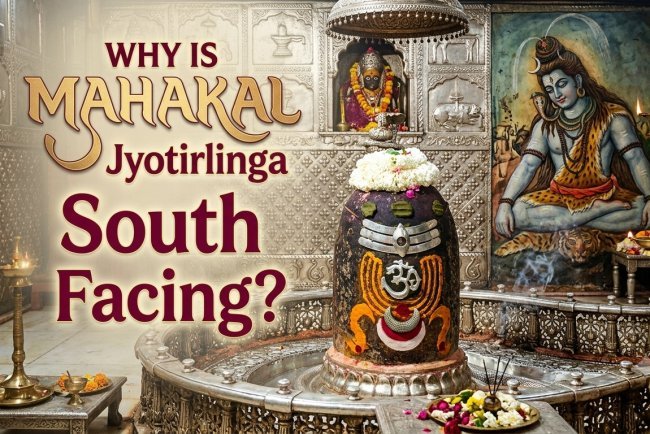
Ujjain has a particularly strong connection with Lord Shiva. The city is home to Shri Mahakaleshwar Jyotirlinga, one of the twelve sacred Jyotirlingas dedicated to Lord Shiva.
Lord Mahakal is regarded as the presiding deity of Ujjain. His divine form represents the power that governs time and transcends birth and death.
Ujjain is also associated with ancient astronomy, astrology, Sanskrit literature and Indian knowledge traditions. Historically, the city was considered an important centre for astronomical studies and time calculation.
Located on the banks of the sacred Shipra River, Ujjain provides a spiritually significant setting for the Simhastha Kumbh Mela.
5. Religious Significance of Bathing in the Shipra River
One of the most important traditions of Ujjain Simhastha is taking a holy dip in the sacred Shipra River.
The Shipra is deeply respected in Hindu traditions and is associated with spiritual purification and divine blessings.
According to religious belief, bathing in the Shipra during the auspicious period of Simhastha helps devotees cleanse themselves of past sins and attain spiritual peace.
Many pilgrims also perform prayers, charity and religious rituals for the well-being of their families and ancestors.
During Simhastha, thousands of devotees gather at the river ghats, especially Ram Ghat. They take an early morning bath, offer water to the Sun God and worship Lord Shiva, Lord Vishnu and other deities.
For devotees, the holy bath is an expression of faith, devotion and the desire for spiritual growth.
Maintaining the cleanliness of the river and following safety instructions issued by the administration are equally important responsibilities for every visitor.
6. What Is Shahi Snan or Amrit Snan?
Shahi Snan is one of the most important religious ceremonies of the Kumbh Mela. The term Amrit Snan is also used for this sacred bathing ritual in contemporary religious usage.
During these special bathing occasions, saints, spiritual leaders, Mahamandaleshwars, Naga Sadhus and members of different Akharas participate in ceremonial processions before entering the holy river.
The processions, traditional flags, devotional music, religious chants and spiritual discipline make these ceremonies particularly significant.
The participation of the Akharas is an important part of the Kumbh tradition. Their ceremonial bathing follows established religious customs and an organised sequence.
For Simhastha 2028, three Shahi Snans and seven Parva Snans have been proposed. Devotees should wait for the final official schedule before treating any specific date as confirmed.
7. What Is the Role of Akharas in Simhastha Kumbh?
Akharas are traditional religious organisations of Hindu saints and ascetics. They play an important role in preserving spiritual knowledge, religious practices, yoga, meditation and the traditions of Sanatan Dharma.
During the Kumbh Mela, Akharas participate in important religious ceremonies, Shahi Snans, spiritual discussions and devotional activities.
They are traditionally associated with different religious lineages, including Shaiva, Vaishnava and Udasi traditions.
Naga Sadhus are among the most recognised participants at the Kumbh Mela. Their lives are traditionally dedicated to renunciation, discipline, meditation and spiritual practices.
The presence of the Akharas reflects India's ancient ascetic traditions and the diversity of its spiritual heritage.
8. Importance of Visiting Mahakaleshwar Jyotirlinga During Simhastha 2028
For devotees visiting Ujjain, seeking the blessings of Shri Mahakaleshwar Jyotirlinga is an important part of the pilgrimage.
Lord Shiva is worshipped here in his Mahakal form. The name Mahakal refers to the divine power associated with time and the ultimate reality beyond life and death.
According to Hindu belief, Lord Mahakal protects his devotees and helps them overcome fear, suffering and negativity.
The Mahakaleshwar Temple is especially famous for its Bhasma Aarti, a sacred ritual performed in the early morning.
During Simhastha 2028, a large number of pilgrims are expected to visit the temple. Devotees should check the temple administration's latest information regarding darshan arrangements, entry rules and Bhasma Aarti bookings.
Apart from Mahakaleshwar, visitors can explore several other important religious sites in Ujjain, including:
-
Shri Mahakaleshwar Jyotirlinga
-
Harsiddhi Mata Temple
-
Kal Bhairav Temple
-
Mangalnath Temple
-
Chintaman Ganesh Temple
-
Siddhavat
-
Sandipani Ashram
-
Gopal Mandir
-
Ram Ghat
Together, these sacred places represent the rich spiritual and historical identity of Ujjain.
9. Preparations for Ujjain Simhastha Kumbh Mela 2028
The Madhya Pradesh Government and Ujjain administration are undertaking infrastructure and development projects to prepare the city for Simhastha 2028.
These preparations include improvements to roads, bridges, river ghats, drinking water facilities, sanitation, traffic management, parking, accommodation and public safety.
Plans also include developing temporary tent-city facilities for pilgrims and improving major routes connecting Ujjain with other regions.
The administration has been directed to complete important projects within scheduled deadlines so that the city can provide better facilities to the expected large number of visitors.
A successful event of this scale requires coordination between several departments, including the police, health services, municipal authorities, transport agencies and the Mela administration.
10. Important Tips for Devotees Visiting Simhastha 2028
If you are planning to visit Ujjain during Simhastha 2028, keeping a few important points in mind can make your pilgrimage safer and more comfortable.
1. Plan Your Journey in Advance: A large number of pilgrims are expected during the festival. Plan your transportation and accommodation early.
2. Check Official Bathing Dates: Confirm the final Shahi Snan and Parva Snan schedule through official government and administration announcements.
3. Carry Essential Items: Keep your identity documents, necessary medicines, drinking water, comfortable clothing and mobile charger with you.
4. Be Careful in Crowded Areas: Decide on a meeting point with family members. Pay special attention to children and elderly visitors.
5. Follow Administrative Instructions: Follow the directions of security personnel at temples, ghats, roads and other public areas.
6. Maintain Cleanliness: Do not throw plastic, food waste or other garbage into the Shipra River. Help preserve the cleanliness and sanctity of the pilgrimage area.
11. Spiritual and Cultural Significance of Simhastha Kumbh Mela
Simhastha Kumbh is much more than a religious bathing festival. It represents India's long-standing spiritual traditions and the cultural values that connect people through faith and devotion.
Pilgrims from different states, languages and communities come together at Ujjain with a shared sense of spirituality.
Religious discourses, devotional songs, spiritual discussions, meditation and traditional rituals provide visitors with opportunities to understand Indian philosophy and religious values.
The festival also offers younger generations an opportunity to learn about India's ancient traditions, the lives of saints and the importance of spiritual discipline.
Simhastha carries messages of charity, service, self-control, harmony and respect for nature.
12. Why Will Ujjain Simhastha 2028 Be Special?
The 2028 Simhastha will once again bring Ujjain's spiritual identity and cultural heritage into the spotlight.
Devotees will have the opportunity to participate in sacred bathing rituals, visit Mahakaleshwar Jyotirlinga, witness the traditions of the Akharas and listen to spiritual discourses by saints and religious leaders.
The city's temples, ghats and streets will become centres of devotion and religious celebration.
For many pilgrims, the journey to Ujjain will be more than a visit to a religious festival. It will be an opportunity to reconnect with faith, family traditions and spiritual values.
The true significance of Simhastha lies not only in the enormous gathering of people but also in its message of devotion, service, discipline and self-reflection.
Conclusion
Ujjain Simhastha Kumbh Mela 2028 will be a magnificent celebration of India's ancient religious traditions, spiritual heritage and Sanatan culture.
The mythological story of Samudra Manthan, the sacred Shipra River, the glory of Mahakaleshwar Jyotirlinga and the spiritual traditions of the Akharas make this event truly special.
Simhastha provides devotees with an opportunity to participate in sacred rituals while also encouraging self-reflection, charity, harmony and spiritual growth.
In 2028, the holy city of Ujjain will once again become a centre of faith, devotion and spirituality, welcoming pilgrims from across India and the world.
What's Your Reaction?