Significance, Worship Method, and Rules of Dwadashi Tithi |
Know in detail about the religious significance of the tithi, the worship method of Lord Vishnu, the rules for breaking the Ekadashi fast, charity, and auspicious activities performed on this day. Tithi
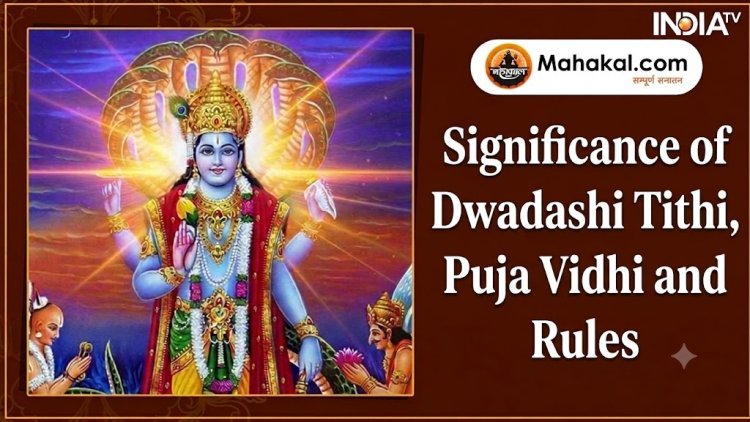
What is the significance of Dwadashi Tithi in Sanatan Dharma?
In Hinduism, every tithi (lunar day) has its own special religious and spiritual significance. One such sacred tithi is Dwadashi Tithi, which is considered especially significant for the worship of Lord Shri Hari Vishnu, fasting, charity, and religious rituals. According to the Hindu calendar, two Dwadashi tithis occur in every lunar month—one in Shukla Paksha (waxing phase) and the other in Krishna Paksha (waning phase). Both Dwadashis hold their own distinct religious importance.
Dwadashi tithi is the twelfth day of the lunar month. It is especially associated with the parana (breaking) of the Ekadashi fast. Devotees who observe the Ekadashi fast break their fast on Dwadashi tithi according to prescribed rules and the appropriate auspicious time. According to religious beliefs, worshipping Lord Vishnu, offering Tulsi leaves, chanting Vishnu mantras, and donating to the needy on this day brings spiritual merit (punya).
Lord Shri Hari Vishnu is considered the sustainer of the universe. He is the symbol of righteousness (dharma), boundaries, compassion, and protection. Therefore, worshipping Him on Dwadashi tithi is considered a special opportunity for devotees to enhance spiritual peace and devotion.
If you also wish to receive the grace of Lord Vishnu on Dwadashi tithi, worship with devotion, adopt a sattvic lifestyle, and perform service and charity according to your capacity.
Religious and Spiritual Significance of Dwadashi Tithi
1. Worship of Lord Shri Hari Vishnu
Dwadashi tithi is considered especially auspicious for the worship of Lord Vishnu. In religious traditions, the worship of Shri Hari is associated with maintaining righteousness, peace, and harmony in life. On this day, Lord Vishnu can be worshipped by lighting a lamp before Him, and offering yellow flowers and Tulsi leaves.
Devotees chant the mantra "Om Namo Bhagavate Vasudevaya" and remember Lord Vishnu. It is believed that worship performed with devotion and concentration calms the mind and inspires a person towards positive thoughts and righteous conduct.
2. Special Significance of Parana of Ekadashi Fast
The most prominent religious significance of Dwadashi tithi is associated with the parana of the Ekadashi fast. Ekadashi is considered dedicated to Lord Vishnu, and many devotees observe a fast on this day. The fast is completed by performing parana at the appropriate time on the next day, Dwadashi tithi.
The time of parana is determined according to the panchang (calendar). Factors such as the availability of Dwadashi tithi, sunrise, and Hari Vasara rules are taken into account. Therefore, instead of looking at general times, devotees observing the Ekadashi fast should check the local panchang of that day. According to religious beliefs, performing parana methodically at the prescribed time is an important part of the fasting tradition.
3. Importance of Charity and Service
On Dwadashi tithi, helping the needy, feeding them, and giving charity according to one's capacity is considered auspicious. Acts like donating food (annadan), water (jaldan), clothes (vastradan), and fruits (phaldan) are symbols of service and philanthropy in the Indian religious tradition.
The purpose of charity is not only to earn religious merit but also to bring help and happiness into the lives of others. Therefore, helping the poor, elderly, needy, and helpless people on this day is considered a good religious and social deed.
4. Worship of Lord Vishnu and Mother Lakshmi
The joint worship of Lord Vishnu and Mother Lakshmi is associated with the wish for happiness, prosperity, balance, and family well-being. On Dwadashi tithi, devotees can pray for their family's peace, happiness, and welfare by remembering both.
During worship, cleanliness, devotion, and sattvikta (purity) should be kept in mind. Purity of mind and good deeds should be given more importance than show-off during worship.
5. Spiritual Discipline and Self-Introspection
Dwadashi tithi is not limited only to worship. This day can also be an opportunity to pay attention to one's thoughts, behavior, and daily routine. Spiritual discipline can be promoted on this day through activities such as reading religious texts, chanting mantras, meditation, and serving the needy.
Worship Procedure of Lord Vishnu on Dwadashi Tithi
Worship of Lord Vishnu on Dwadashi tithi can be performed simply at home. Expensive items or special arrangements are not mandatory for worship. Worship performed with devotion, cleanliness, and a devotional spirit is given special importance.
Essential Items Before Worship
You can keep the following items according to your convenience and tradition:
-
Idol or picture of Lord Vishnu
-
Clean water or Gangajal
-
Yellow flowers and Tulsi leaves
-
Yellow sandalwood or roli
-
Akshat (whole rice grains)
-
Incense stick (dhoop), lamp (deepak), and ghee
-
Fruits, sweets, or sattvic bhog
-
Panchamrit, if abhishekam is to be performed
-
Clean seat (aasan) and worship plate (thali)
Keeping all materials ready in advance helps conduct the worship in an organized manner.
Step 1: Early Morning Bath and Cleanliness
On Dwadashi tithi, wake up early in the morning, take a bath, and wear clean clothes. After that, clean the worship place and install the picture or idol of Lord Vishnu in a clean place.
If possible, keep the atmosphere peaceful during worship. Concentrate your mind, remember Lord Vishnu, and pray for the family's peace and happiness.
Step 2: Take a Resolution for Worship
Before starting the worship, join your hands in front of Lord Vishnu and take a resolution according to your devotion. Pray mentally that you can walk on the path of righteousness, virtue, and service.
If you have observed the Ekadashi fast, keep in mind to follow the rules of parana on Dwadashi. There may be differences between the rules of fast parana and general Dwadashi worship.
Step 3: Perform Worship of Lord Vishnu
Light a ghee or oil lamp in front of the idol or picture of Lord Vishnu. After that, offer water and perform worship according to your family tradition.
If performing abhishekam on the idol is part of your tradition, you can perform it appropriately with water or panchamrit. Instead of pouring water or panchamrit directly on the picture, offering it symbolically is appropriate.
Step 4: Offer Yellow Flowers, Sandalwood, and Tulsi Leaves
Yellow flowers, sandalwood, and Tulsi leaves are considered of special importance in the worship of Lord Vishnu. Offer these items respectfully during worship.
Tulsi is considered dear to Lord Vishnu. Therefore, in the Vaishnav tradition, there is a special practice of offering Tulsi leaves to the Lord. If Tulsi leaves are clean and available in advance, use them.
Step 5: Offer Sattvic Bhog
Fruits, sweets, kheer, or other sattvic food items can be offered to Lord Vishnu. Keep cleanliness and purity in mind while preparing the bhog.
In the Vaishnav tradition, the practice of keeping a Tulsi leaf in the bhog is prevalent. After offering the bhog to the Lord, pray with a calm mind for some time. The prasad can then be distributed among family members.
Step 6: Mantra Chanting and Reading of Vishnu Sahasranama
Chanting mantras of Lord Vishnu is considered auspicious on Dwadashi tithi. Chant the following mantra according to your convenience:‘ॐ नमो भगवते वासुदेवाय’ (Om Namo Bhagavate Vasudevaya)
You can chant this mantra 11, 21, or 108 times. Additionally, you can read Vishnu Sahasranama, Shri Vishnu Stuti, or other hymns related to Lord Vishnu.
Keep your mind calm during mantra chanting and try to focus on the meaning and bhav (feeling) of the words.
Step 7: Perform Aarti of Lord Vishnu
At the end of the worship, perform Aarti of Lord Vishnu using a ghee lamp or camphor. Remember the Lord with family members and pray for peace, happiness, wisdom, and welfare.
If possible, help a needy person or donate food after worship. In this way, the feeling of service and philanthropy can also be adopted in life along with worship.
How to Perform Parana of Ekadashi Fast on Dwadashi Tithi?
For devotees observing the Ekadashi fast, Dwadashi tithi holds special importance because the fast is concluded on this day. Parana means to conclude the fast methodically.
While performing parana, keep the following points in mind:
-
Check Parana Time in Panchang: The time for the parana of each Ekadashi can be different. Therefore, check the local panchang of the concerned date.
-
Beware of Hari Vasara: In Vaishnav tradition, the rule of avoiding parana during Hari Vasara is observed. Hari Vasara is considered the last quarter of Ekadashi tithi.
-
Perform Parana at the Prescribed Time: Pay attention to the time available for parana on Dwadashi tithi. Do not decide the parana time solely based on sunrise.
-
Start with Sattvic Food: At the time of parana, consume light, sattvic food or water according to your tradition and health.
-
Respect Fast Rules: If you have kept a fast according to any special Vaishnav tradition, follow those instructions.
If Dwadashi tithi is ending quickly or if the parana time is not clear, it is better to seek guidance from a knowledgeable pandit or a reliable panchang.
Note that it is not mandatory for every person performing general Dwadashi worship to perform the parana of the Ekadashi fast. The rule of parana is mainly related to devotees who observe the Ekadashi fast.
What to Do on Dwadashi Tithi?
According to religious beliefs and family traditions, the following activities can be performed on Dwadashi tithi:
-
Worship Lord Vishnu and Mother Lakshmi: Worship Lord Vishnu in the morning or according to your convenience. Remember Mother Lakshmi and pray for happiness, peace, and harmony in the family.
-
Perform Mantra Chanting and Religious Reading: Chant the mantra
‘ॐ नमो भगवते वासुदेवाय’. When you get time, you can read Vishnu Sahasranama, Bhagavad Gita, or other religious texts. -
Donate to the Needy: Donate food, fruits, clothes, water, or other useful items according to your capacity. Keep humility while donating and do not hurt anyone's dignity.
-
Adopt Sattvic Food and Conduct: Pay attention to cleanliness and purity in food. Maintain restraint in your behavior and keep a feeling of respect and compassion towards others.
-
Worship Tulsi: If Tulsi worship is done in your family tradition, you can light a lamp near the Tulsi plant and remember Lord Vishnu. While lighting the lamp, take care of the safety of the plant and the surrounding area.
-
Perform Service and Philanthropic Work: Feeding the needy, helping the elderly, keeping water for animals and birds, and doing small tasks for the welfare of society are also included in good deeds.
What Should Not Be Done on Dwadashi Tithi?
The rules of Dwadashi tithi may vary according to different religious traditions and fasts. Generally, devotees keep the following points in mind:
-
Avoid Tamasic Food: If you are observing a fast or religious rules, stay away from meat, alcohol, and other prohibited food items. Whether to consume garlic and onions or not depends on your family tradition and fast rules.
-
Do Not Delay Fast Parana: Devotees observing the Ekadashi fast should pay attention to the prescribed parana time on Dwadashi. Open the fast only after checking the time according to the panchang.
-
Avoid Anger and Disputes: It is important to maintain restraint in your behavior not just today, but every day. Avoid insulting anyone, unnecessary disputes, and causing pain to others.
-
Do Not Use Unclean Items in Worship: Keep the worship place and worship materials clean. Flowers, fruits, and bhog offered to the Lord should be clean.
-
Keep in Mind the Tradition of Plucking Tulsi Leaves: In many Vaishnav and family traditions, plucking Tulsi leaves on Dwadashi tithi is forbidden. Devotees following such traditions can collect Tulsi leaves in advance. Understand this rule according to your local and family religious beliefs.
Which Charities Are Considered Auspicious on Dwadashi Tithi?
Charity and virtue are considered important mediums of service and philanthropy in Sanatan Dharma. Devotees can also do various types of charity according to their capacity on Dwadashi tithi.
-
Annadan (Food Donation): Providing food, grain, or ration to needy people is an important form of service.
-
Jaldan (Water Donation): Arranging clean drinking water for people in the summer season or providing water to the needy is a useful work.
-
Vastradan (Clothing Donation): Giving clean and useful clothes to needy people is also considered a good deed.
-
Phaldan (Fruit Donation): Fruits can be distributed through temples, needy families, or service organizations.
-
Goseva and Creature Service: Serving animals according to your capacity and local arrangements also expresses the spirit of compassion and philanthropy.
-
Religious Service: Contribution to temple service, cooperation in worship materials, or contribution to religious activities according to your capacity can also be done.
One should keep one's financial position in mind while donating. Charity done with devotion is considered important in religious traditions; hence, it is not necessary to donate out of show-off or pressure.
Which Mantras Should Be Chanted on Dwadashi Tithi?
Mantra chanting has a special place in the worship of Lord Vishnu. Devotees can chant the following mantras according to their convenience on Dwadashi tithi:
1. Mool Mantra of Lord Vishnu
Mantra: ‘ॐ नमो भगवते वासुदेवाय’ (Om Namo Bhagavate Vasudevaya) This is one of the famous mantras of Lord Vishnu. Devotees chant it to increase concentration of the mind and the spirit of devotion towards the Lord.
2. Vishnu Smaran Mantra
Mantra: ‘ॐ विष्णवे नमः’ (Om Vishnave Namah) Lord Vishnu is saluted through this mantra. It can be repeated respectfully during worship.
3. Shri Hari Smaran
Mantra: ‘श्री हरये नमः’ (Shri Hariye Namah) This is a simple mantra to express dedication and devotion towards Shri Hari.
Devotion, concentration, and regularity are more important than the number of mantra chants. Even if time is short, the Lord can be remembered with a calm mind for a few minutes.
Significance of Ashwin Shukla Dwadashi
In the Hindu calendar, Ashwin Shukla Dwadashi is also an important tithi from a religious perspective. During this time, after major festivals like Sharad Navratri and Vijayadashami, many devotees continue their religious routine and worship.
Religious rituals, fasts, and worship traditions related to Ashwin Shukla Dwadashi may vary according to region and sect. Therefore, to know which fast, festival, or ritual is on this tithi in a particular year, one should check the local panchang.
The general significance of Dwadashi is related to the worship of Lord Vishnu, parana of Ekadashi fast, and charity. However, every Dwadashi is not celebrated as the same festival or the same fast.
If you want to observe worship or fast on Ashwin Shukla Dwadashi, get information about the tithi, sunrise, and auspicious time of worship in advance.
Benefits of Worshipping on Dwadashi Tithi
According to religious beliefs, worshipping and serving Lord Vishnu on Dwadashi tithi brings spiritual benefits to devotees:
-
Mental Peace: Mantra chanting and meditation can help keep the mind calm.
-
Increase in Devotion: Regular worship strengthens the feeling of reverence and surrender towards the Lord.
-
Positive Conduct: Following religious rules can inspire a person towards restraint, discipline, and virtue.
-
Spirit of Service: Charity and helping the needy promote cooperation and compassion in society.
-
Wish for Family Well-being: Worship of Lord Vishnu and Mother Lakshmi is done with prayers for family peace, happiness, and prosperity.
These benefits should be understood in the context of religious faith and traditions. The purpose of worship is not only to expect a specific result, but also to adopt devotion, service, and good conduct in life.
Frequently Asked Questions (FAQs)
Q1. What is Dwadashi Tithi?
Dwadashi tithi is the twelfth day of the lunar month according to the Hindu calendar. It comes in both Shukla Paksha and Krishna Paksha. It holds special religious importance due to the worship of Lord Vishnu and the parana of the Ekadashi fast.
Q2. Who is the deity of Dwadashi Tithi?
In religious beliefs, Dwadashi tithi is associated with Lord Shri Hari Vishnu. On this day, devotees perform His worship, mantra chanting, and religious reading.
Q3. How to worship Lord Vishnu on Dwadashi Tithi?
Take a bath early in the morning and wear clean clothes. Light a lamp at the worship place, offer flowers, sandalwood, Tulsi leaves, and sattvic bhog to Lord Vishnu. After that, perform aarti by chanting the mantra ‘ॐ नमो भगवते वासुदेवाय’.
Q4. Why is the Ekadashi fast parana done on Dwadashi?
According to religious tradition, the conclusion of the Ekadashi fast is done on Dwadashi tithi at a prescribed time. The appropriate time for parana is determined based on the concerned panchang, sunrise, and Hari Vasara rules.
Q5. What kind of charity should be done on Dwadashi Tithi?
Food, fruits, water, and clothes can be donated according to your capacity on Dwadashi. Feeding the needy and helping them is also an important form of service.
Q6. Can Tulsi leaves be plucked on Dwadashi Tithi?
In many religious traditions, it is advised to avoid plucking Tulsi leaves on Dwadashi. Devotees following such traditions can collect Tulsi leaves in advance for worship. It is appropriate to follow local and family beliefs.
Q7. Is it mandatory to fast on Dwadashi Tithi?
No, fasting on Dwadashi is not mandatory for everyone. Devotees can perform Lord Vishnu's worship, mantra chanting, or charity according to their faith, health, and family tradition.
Q8. Which mantra should be chanted on Dwadashi Tithi?
Lord Vishnu's famous mantra ‘ॐ नमो भगवते वासुदेवाय’ can be chanted on Dwadashi tithi. Devotees can chant it 11, 21, or 108 times according to their convenience.
Q9. What should one eat on Dwadashi Tithi?
If you are performing the parana of the Ekadashi fast, consume sattvic food according to your fast rules and prescribed time. Food rules for general Dwadashi worship depend on your family tradition and personal faith.
Q10. How to know the auspicious time of Dwadashi Tithi?
To know the time of Dwadashi tithi and worship or parana, see a reliable Hindu calendar published according to your city. The beginning and ending of the tithi do not happen at the same time every day, so do not decide based only on the general calendar date.
Conclusion
Dwadashi tithi holds special importance in Sanatan Dharma for the worship of Lord Shri Hari Vishnu, parana of Ekadashi fast, and charity. This tithi inspires devotees to move forward on the path of devotion, restraint, service, and virtue.
On this day, worship of Lord Vishnu, offering Tulsi leaves, mantra chanting, reading religious texts, and helping the needy can be done with devotion. If you have kept the Ekadashi fast, make sure to get information about the prescribed time and fast rules in the local panchang before performing parana on Dwadashi.
The real spirit of religious worship is not limited only to rituals. True devotion, compassion towards others, good deeds, and positive conduct in life are also important parts of devotion.
May Lord Shri Hari Vishnu bring happiness, peace, wisdom, and welfare to everyone's life. Hari Om Tatsat.
What's Your Reaction?