Bhaum Pradosh Vrat: Puja Vidhi, Katha, Significance, Mantra & Rules
Know Bhaum Pradosh Vrat Puja Vidhi, Katha, significance, mantras, Puja Samagri, fasting rules, what to eat and avoid, and important FAQs.
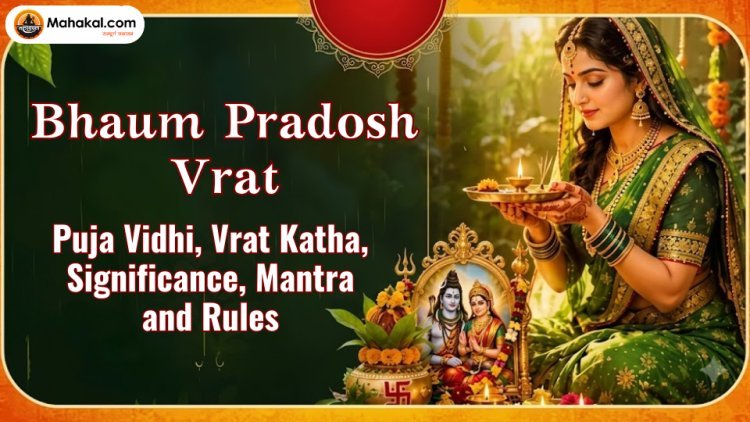
Bhaum Pradosh Vrat: Puja Vidhi, Vrat Katha, Significance, Mantra and Rules
In Hindu tradition, Pradosh Vrat is considered an important fast dedicated to Lord Shiva. When Pradosh Vrat falls on a Tuesday, it is known as Bhaum Pradosh Vrat.
According to religious beliefs, observing Bhaum Pradosh Vrat and worshipping Lord Shiva and Goddess Parvati with devotion is associated with seeking blessings for happiness, prosperity, good health, peace, and relief from difficulties.
Since Bhaum Pradosh falls on Tuesday, devotees may also worship Lord Hanuman on this day.
In this article, we will explore what Bhaum Pradosh Vrat is, its significance, Puja Vidhi, Puja Samagri, Vrat Katha, mantras, fasting rules, what to eat and avoid, and frequently asked questions.
What Is Bhaum Pradosh Vrat?
Pradosh Vrat is observed on Trayodashi Tithi, the thirteenth lunar day of the Hindu calendar.
When Trayodashi falls on a Tuesday, the Pradosh Vrat is traditionally called Bhaum Pradosh.
The word “Bhaum” is associated with Mars and Tuesday. The Pradosh period, which occurs around sunset, is considered especially important for worshipping Lord Shiva.
On this day, devotees worship Lord Shiva, Goddess Parvati, Lord Ganesha, Nandi, and other deities according to their family traditions.
Significance of Bhaum Pradosh Vrat
According to Hindu beliefs, observing Bhaum Pradosh Vrat is a way of seeking the blessings of Lord Shiva and praying for relief from obstacles and difficulties.
Because this Pradosh falls on Tuesday, it is also associated with the qualities traditionally connected with Mars, such as courage, strength, energy, determination, and confidence.
Devotees may observe this fast with prayers for:
- Happiness and peace in the family
- Good health
- Mental peace
- Success in important tasks
- Courage and confidence
- Relief from financial difficulties
- Harmony in married life
- Spiritual growth
- Removal of obstacles
These are religious and traditional beliefs, and devotees observe the vrat according to their faith and customs.
Bhaum Pradosh Vrat Puja Vidhi
The main worship for Pradosh Vrat is traditionally performed during Pradosh Kaal, around sunset.
1. Take a Holy Bath
Devotees should wake up early, take a bath, and wear clean clothes.
After this, remember Lord Shiva and take a sankalp, or resolve, to observe the fast with devotion.
2. Observe the Fast
Devotees may observe a complete fast or follow a fruit-based fasting diet according to their health and family tradition.
Those with health conditions should avoid extreme fasting and follow a suitable diet.
3. Prepare for the Evening Puja
Before the evening worship, clean the Puja area and arrange the required Puja Samagri.
Place an image or Shiva Lingam in the Puja area and light a diya.
4. Perform Abhishekam
According to tradition, devotees perform Abhishekam of the Shiva Lingam using water, milk, Panchamrit, or other suitable offerings.
After Abhishekam, offer Bel Patra, flowers, and other traditional offerings to Lord Shiva.
5. Offer Bhog
Offer fruits, sweets, or other Satvik food to Lord Shiva according to your family tradition.
6. Chant Lord Shiva's Mantra
During the Puja, devotees can chant:
Om Namah Shivaya
Devotees may also read Shiv Chalisa, Pradosh Vrat Katha, or other Shiva prayers.
7. Worship Goddess Parvati and Lord Ganesha
Along with Lord Shiva, worship Goddess Parvati and Lord Ganesha with devotion.
8. Remember Lord Hanuman
Since Bhaum Pradosh falls on Tuesday, devotees may also worship Lord Hanuman and recite Hanuman Chalisa according to their tradition.
9. Perform Aarti
Complete the Puja by performing Shiva Aarti and praying for the happiness, peace, health, and prosperity of the family.
Bhaum Pradosh Vrat Puja Samagri
The following items can generally be used for Bhaum Pradosh Puja:
- Shiva Lingam or image of Lord Shiva
- Water
- Milk
- Curd
- Ghee
- Honey
- Gangajal
- Bel Patra
- White flowers
- Dhatura
- Fruits
- Sweets
- Akshat
- Sandalwood
- Roli
- Incense sticks
- Diya
- Camphor
- Kalava or sacred thread
- Panchamrit
Puja materials may vary according to regional and family traditions.
Bhaum Pradosh Vrat Mantra
The most simple and popular mantra for Lord Shiva is:
Om Namah Shivaya
Devotees may also chant the Mahamrityunjaya Mantra according to their faith:
Om Tryambakam Yajamahe
Sugandhim Pushtivardhanam
Urvarukamiva Bandhanan
Mrityor Mukshiya Maamritat
Chanting should be done peacefully and with devotion.
Bhaum Pradosh Vrat Katha
Different regions and traditions may have different versions of Pradosh Vrat Katha.
The traditional stories associated with Pradosh Vrat generally highlight the power of devotion to Lord Shiva and the importance of following the path of righteousness.
Devotees traditionally listen to or read the Pradosh Vrat Katha after performing the evening Puja.
The central message of these stories is that sincere devotion, faith, self-control, and good deeds are important parts of spiritual life.
Why Is Lord Hanuman Worshipped on Bhaum Pradosh?
Bhaum Pradosh falls on Tuesday, a day traditionally associated with Lord Hanuman.
Therefore, many devotees worship Lord Hanuman along with Lord Shiva on this day.
According to religious belief, praying to Hanuman Ji is associated with seeking courage, strength, determination, and protection from difficulties.
Devotees may recite Hanuman Chalisa or chant Hanuman mantras according to their personal tradition.
What Can You Eat During Bhaum Pradosh Vrat?
People observing a fruit-based fast may consume foods permitted by their fasting tradition.
Common fasting foods include:
- Fruits
- Milk
- Curd
- Makhana
- Sabudana
- Water chestnut flour
- Buckwheat flour
- Rock salt
- Coconut water
Fasting rules can differ between families and regions.
What Should You Avoid During Bhaum Pradosh Vrat?
Those following a traditional fasting diet generally avoid:
- Grains
- Regular table salt
- Non-vegetarian food
- Alcohol
- Onion and garlic
- Tamasik food
The exact fasting rules depend on personal health, family customs, and religious tradition.
Bhaum Pradosh Vrat Rules
Devotees traditionally follow these general rules during the fast:
- Remember and worship Lord Shiva.
- Avoid unnecessary anger and arguments.
- Avoid lying and negative behavior.
- Help people in need.
- Follow a Satvik lifestyle.
- Chant Shiva mantras.
- Perform Shiva Puja during Pradosh Kaal.
- Offer Bel Patra to Lord Shiva.
- Donate according to your ability.
- Pray for peace and happiness after completing the Puja.
Importance of Bel Patra in Shiva Puja
Bel Patra has a special place in the worship of Lord Shiva.
Devotees traditionally offer clean Bel Patra to the Shiva Lingam while remembering Lord Shiva and chanting Om Namah Shivaya.
The offering is made with devotion and according to one's family tradition.
Spiritual Significance of Bhaum Pradosh Vrat
Bhaum Pradosh is not only about fasting. It can also be viewed as an opportunity for self-discipline, prayer, meditation, and spiritual reflection.
Observing a fast and spending time in Shiva worship during Pradosh Kaal allows devotees to focus their minds and strengthen their spiritual connection.
Bhaum Pradosh and Mars
Because Bhaum Pradosh falls on Tuesday, it is traditionally associated with Mars, known as Mangal in Hindu astrology.
In traditional astrology, Mars is associated with courage, energy, determination, land, strength, and confidence.
Therefore, some devotees perform Shiva Puja on Bhaum Pradosh while also praying for relief from issues traditionally associated with Mars.
Astrological remedies should be considered according to individual circumstances and, where appropriate, with guidance from a qualified practitioner.
Benefits of Bhaum Pradosh Vrat
According to religious beliefs, devotees observe Bhaum Pradosh Vrat with prayers for:
- Lord Shiva's blessings
- Mental peace
- Family happiness
- Positive energy
- Relief from obstacles
- Courage and confidence
- Harmony in married life
- Spiritual development
These benefits are matters of religious faith rather than scientifically established outcomes.
FAQs About Bhaum Pradosh Vrat
What is Bhaum Pradosh Vrat?
When Pradosh Vrat falls on Tuesday, it is traditionally known as Bhaum Pradosh Vrat.
Which God is worshipped on Bhaum Pradosh?
Bhaum Pradosh is primarily dedicated to Lord Shiva and Goddess Parvati. Since it falls on Tuesday, devotees may also worship Lord Hanuman.
What should we eat during Bhaum Pradosh Vrat?
Depending on one's fasting tradition, devotees may consume fruits, milk, makhana, sabudana, buckwheat, water chestnut flour, and other fasting foods.
Which mantra should be chanted on Bhaum Pradosh?
The most popular Shiva mantra is:
Om Namah Shivaya.
Can we read Hanuman Chalisa on Bhaum Pradosh?
Yes. Since Bhaum Pradosh falls on Tuesday, devotees may recite Hanuman Chalisa according to their religious and family traditions.
When should Bhaum Pradosh Puja be performed?
Pradosh Puja is traditionally performed during Pradosh Kaal, around sunset. The exact Puja Muhurat varies according to the location and Panchang.
Can women observe Bhaum Pradosh Vrat?
Yes. Both men and women may observe Pradosh Vrat according to their faith, health, and family traditions.
Is Bhaum Pradosh good for Mangal Dosha?
Some Hindu astrological traditions associate Bhaum Pradosh with prayers for issues related to Mars. However, Mangal Dosha and related remedies depend on an individual's birth chart and should not be generalized.
Conclusion
Bhaum Pradosh Vrat is an important occasion dedicated to the worship of Lord Shiva. Since it occurs on Tuesday, devotees may also include Lord Hanuman's worship in their spiritual practices.
On this day, devotees traditionally perform Shiva Abhishekam, offer Bel Patra, chant Om Namah Shivaya, listen to the Pradosh Vrat Katha, and perform Aarti during Pradosh Kaal.
Beyond fasting, Bhaum Pradosh encourages devotees to practice faith, self-control, devotion, positivity, and compassion.
May Lord Shiva bless everyone with peace, strength, happiness, and prosperity.
Har Har Mahadev!
What's Your Reaction?