How Did Ujjain Get Its Ancient Name Avantika? Discover the Fascinating Historical and Religious Heritage of Mahakal's City!
Discover why Ujjain was known as Avantika, its connection with the ancient Avanti region, the name Ujjayini, and the historical and spiritual significance of Mahakal's sacred city.
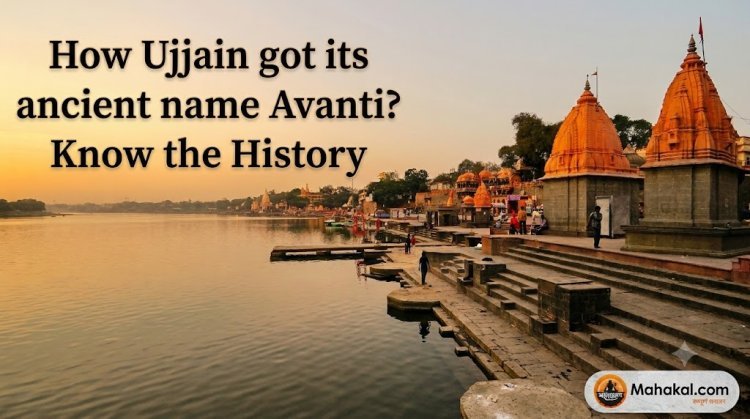
How Did Ujjain Get Its Ancient Name Avantika? Discover the Fascinating Historical and Religious Heritage of Mahakal's City!
Ujjain, located in the Indian state of Madhya Pradesh, is one of the country's most historically significant and spiritually revered cities. Known for the sacred Mahakaleshwar Jyotirlinga, the holy River Shipra, and its rich cultural traditions, Ujjain has remained an important centre of Hindu pilgrimage and Indian heritage for centuries.
However, the city is also associated with the ancient names Avantika and Ujjayini. These names connect modern Ujjain with the historical traditions of ancient India.
But how did Ujjain become associated with the name Avantika? What was the ancient Avanti region, and why was Ujjayini important? How did this city become one of India's most prominent religious destinations?
To understand these questions, we must explore the city's historical background, literary traditions, and religious significance.
1. Why Was Ujjain Known as Avantika?
Avantika is one of the traditional ancient names associated with Ujjain. Its historical identity is closely connected with the ancient Avanti region, which played an important role in the political and cultural development of central India.
In ancient Indian traditions, Ujjayini was recognised as a prominent city associated with Avanti. Over time, it developed into an important centre of governance, trade, learning, and cultural exchange.
The relationship between Avantika and the ancient Avanti region provides an important historical context for understanding the city's traditional name.
However, there is no single universally established explanation for the exact linguistic origin of the word Avantika. It would therefore be misleading to attribute the name exclusively to one ruler, miracle, or historical event without reliable evidence.
Instead, the name should be understood through the wider historical, literary, and religious traditions associated with Ujjain.
Today, Avantika continues to represent the city's ancient identity and its enduring connection with India's cultural heritage.
2. What Was the Ancient Avanti Region?
Ancient India consisted of numerous territorial states known as janapadas. Some of these developed into powerful kingdoms and became important centres of administration, trade, and culture.
Avanti was one of the sixteen Mahajanapadas mentioned in Buddhist literary traditions. It was associated broadly with the western part of present-day Madhya Pradesh.
Ujjayini served as one of its principal centres, while Mahishmati was another important city associated with the region.
Ujjayini benefited from its geographical position and connections with ancient trade routes. Merchants, travellers, scholars, and religious communities contributed to its development.
As a result, the city became more than a political centre. It also developed a reputation for commercial activity, intellectual exchange, and cultural influence.
Understanding the historical significance of Avanti helps explain why the names Avantika and Ujjayini remain important when discussing the ancient identity of modern Ujjain.
3. Why Is Ujjain Also Called Ujjayini?
Ujjayini is another ancient name closely associated with Ujjain. The name appears in Indian literary and historical traditions, reflecting the city's importance in ancient times.
Place names can change over centuries because of linguistic developments, regional pronunciation, and evolving cultural usage. The relationship between Ujjayini and the modern name Ujjain can be understood within this broader historical process.
Ujjayini became known as an important city because of its political position, commercial connections, and cultural influence. Its prominence was not limited to religious activities alone.
The city also played a role in the movement of people, ideas, and knowledge across different regions of ancient India.
Thus, Avantika and Ujjayini represent different but connected aspects of Ujjain's historical identity. Their continued use preserves the memory of the city's ancient heritage.
4. Why Is Ujjain Known as the City of Mahakal?
One of the strongest elements of Ujjain's religious identity is the Mahakaleshwar Jyotirlinga Temple, dedicated to Lord Shiva. It is recognised as one of the twelve traditionally revered Jyotirlingas in Hinduism.
Lord Mahakal represents a powerful form of Shiva associated with time, transformation, and the eternal nature of existence.
For devotees, worshipping Mahakal is an expression of faith and a way of seeking spiritual strength, peace, and guidance. The temple's traditions and daily worship practices have helped establish Ujjain as one of India's most important pilgrimage destinations.
The religious significance of Mahakaleshwar also strengthens the spiritual identity associated with the ancient name Avantika.
For many pilgrims, visiting Ujjain is not simply a journey to a historic city. It is an opportunity to participate in a living religious tradition that has continued across generations.
The city's ancient names and its present-day identity as the city of Mahakal together reflect its long cultural and spiritual history.
5. Avantika and the Religious Belief in Spiritual Liberation
Moksha, or spiritual liberation, is one of the central concepts in Hindu philosophy. It is generally understood as liberation from the cycle of birth and death and the attainment of spiritual freedom.
Ujjain is regarded in Hindu religious traditions as an important sacred city associated with pilgrimage and spiritual practice.
Devotees visit Mahakaleshwar Temple, perform religious rituals along the River Shipra, offer prayers, and participate in traditional observances.
According to religious beliefs, practices such as prayer, meditation, charity, pilgrimage, and righteous conduct can encourage spiritual growth.
Ujjain's reputation as a sacred city has developed through its temples, religious literature, pilgrimage traditions, and the devotion of generations of worshippers.
Beliefs concerning moksha should be understood within their religious and philosophical context rather than presented as a single historically verifiable event.
The name Avantika forms part of this wider spiritual heritage and continues to hold meaning for people who value India's ancient religious traditions.
6. The Sacred River Shipra and Ujjain's Spiritual Heritage
The River Shipra is closely associated with the religious and cultural identity of Ujjain. Its banks have long been important locations for worship, traditional ceremonies, and pilgrimage activities.
In Hindu traditions, rivers are often regarded as symbols of life, purity, and spiritual renewal. Ritual bathing, prayers, and charitable acts performed near sacred rivers form part of many religious observances.
In Ujjain, the ghats along the Ship ra become particularly significant during major religious gatherings and festivals.
The city is also an important destination for the Simhastha Kumbh Mela, a major pilgrimage gathering that attracts devotees, ascetics, and spiritual seekers from across India.
The River Shipra, Mahakaleshwar Temple, and the city's ancient religious traditions together contribute to Ujjain's distinctive spiritual identity.
These traditions help explain why the name Avantika evokes the image of an ancient and sacred Indian city.
7. Ujjain as a Centre of Learning and Astronomy
Ujjain's historical importance extends beyond religious worship. The city is also associated with India's traditions of mathematics, astronomy, literature, and intellectual inquiry.
Ancient Ujjayini became an important reference point in Indian astronomical traditions. Scholars studied celestial movements, planetary positions, and methods of calculating time.
Varahamihira, the renowned mathematician and astronomer, is associated with Ujjayini's scholarly heritage. His contributions occupy an important place in the history of Indian astronomy and mathematics.
The city is also connected with the traditional story of Sandipani Ashram, where Lord Krishna and his brother Balarama are believed to have studied under Guru Sandipani.
This religious tradition highlights the importance of education, discipline, and the teacher-student relationship in Indian culture.
Together, these associations show that Ujjain's heritage includes not only spiritual devotion but also intellectual achievement and cultural development.
8. King Vikramaditya and the Legends of Avantika
Ujjain is widely associated with King Vikramaditya in Indian folklore and literary traditions. He is commonly portrayed as a wise, generous, and just ruler who respected scholars and supported learning.
Stories connected with Vikramaditya often emphasise justice, courage, intelligence, and generosity. These narratives have become an important part of Ujjain's cultural identity.
However, the historical identity of Vikramaditya and the details of the stories associated with him require careful interpretation. Not every popular legend can be treated as a confirmed historical account of one individual.
The broader history of Ujjain and the Malwa region includes several dynasties and political developments. Vikramaditya traditions add a rich cultural dimension to this history.
These stories demonstrate how folklore and historical memory can contribute to the reputation of an ancient city.
When discussing Avantika, it is useful to recognise the importance of these traditions while distinguishing popular legends from independently established historical evidence.
9. What Do Ujjain's Ancient Names Reveal About Its Past?
The different names associated with an ancient city can help us understand its historical development and cultural identity.
In the case of Ujjain, Avantika and Ujjayini are particularly significant because they connect the modern city with the ancient Avanti region and India's literary traditions.
These names also remind us that Ujjain's importance was never limited to a single activity or historical period. It developed through political change, commercial exchange, religious traditions, and intellectual achievements.
Although temples are central to its identity, Ujjain's history cannot be understood through religious architecture alone. Its wider cultural and intellectual contributions are equally important.
Learning about Avantika is therefore more than an exercise in remembering an old name. It provides an opportunity to explore the historical continuity of one of India's most significant ancient cities.
10. Why Does the Name Avantika Still Matter Today?
Modern Ujjain continues to preserve many aspects of its ancient heritage while developing as a contemporary city. Religious tourism, local commerce, cultural celebrations, and pilgrimage activities remain important parts of its public life.
The name Avantika continues to connect the present with the past in several ways.
Historical identity: It recalls the ancient Avanti region and the importance of Ujjayini.
Religious heritage: Mahakaleshwar Jyotirlinga and other sacred places maintain the city's importance as a pilgrimage destination.
Cultural traditions: Literary references, folklore, educational traditions, and astronomy contribute to Ujjain's rich cultural history.
Spiritual inspiration: Prayer, meditation, pilgrimage, and religious observances continue to shape the experiences of devotees.
Avantika is therefore more than an ancient name. It represents a continuing cultural connection between historical Ujjain and the traditions that remain meaningful to people today.
Conclusion: Avantika Is a Reflection of Ujjain's Ancient Heritage
The ancient name Avantika is closely associated with the historical traditions of the Avanti region and the prominence of Ujjayini in ancient India.
Ujjain developed as an important centre of political activity, trade, culture, learning, and religious practice. Its sacred Mahakaleshwar Jyotirlinga, the River Shipra, Sandipani Ashram, and rich literary traditions continue to strengthen its distinctive identity.
The exact linguistic origin of Avantika does not have one universally established explanation. Understanding the name through its historical and cultural context offers a more reliable way to appreciate the city's heritage.
When we refer to Ujjain as Avantika, we recall more than an ancient name. We recognise a city that has preserved an extraordinary legacy of spirituality, knowledge, and cultural continuity across generations.
Jai Shri Mahakal!
What's Your Reaction?