Govatsa Dwadashi 2026: Significance, Cow and Calf Puja Vidhi, Rituals and Religious Beliefs
Discover the significance of Govatsa Dwadashi 2026, the traditional cow and calf worship rituals, puja vidhi, fasting traditions and the spiritual importance of this Hindu festival.
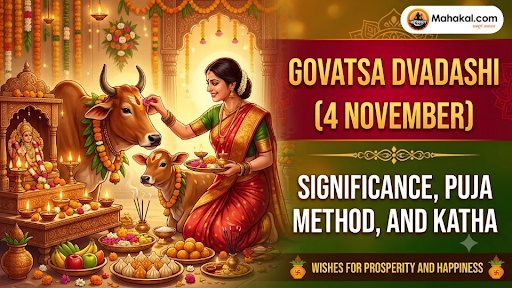
Govatsa Dwadashi 2026: Significance and Traditional Worship of Cows and Calves
India is a country where festivals are deeply connected with spirituality, culture, and traditions. Among the many important Hindu festivals, Govatsa Dwadashi holds a special place as it is dedicated to the worship of cows and their calves.
In Hindu traditions, cows are considered sacred and are lovingly addressed as Gau Mata. They symbolize motherhood, kindness, nourishment, purity, and prosperity. On this auspicious occasion, devotees worship cows and calves and pray for the happiness, good health, and prosperity of their families.
In 2026, Govatsa Dwadashi will be observed on Thursday, 5 November.
1. What Is Govatsa Dwadashi?
Govatsa Dwadashi is an important Hindu festival dedicated to the worship of cows and their calves.
The word 'Govatsa' means a calf, while 'Dwadashi' refers to the twelfth day of the lunar fortnight. On this day, devotees worship the cow along with her calf and express gratitude for the nourishment and support that cows provide.
The festival is also known by different names in various parts of India, including Vasu Baras in Maharashtra and Vagh Baras in Gujarat.
2. Religious Significance of Govatsa Dwadashi
According to Hindu beliefs, the cow represents purity, kindness, motherhood, and selfless service. Worshipping Gau Mata is considered a symbol of devotion and gratitude.
The major religious significance of this festival includes:
-
Family Happiness: Devotees pray for peace, happiness, and prosperity in their homes.
-
Children's Well-being: Many women observe traditional rituals for the good health and long life of their children.
-
Respect for Nature: The festival encourages people to respect animals and understand their importance in our lives.
-
Spiritual Purity: Worship and acts of kindness are believed to bring positive thoughts and spiritual satisfaction.
3. Govatsa Dwadashi Puja Vidhi
Devotees traditionally perform cow and calf worship with devotion and respect.
Here is a simple traditional puja procedure:
-
Wake up early in the morning and take a bath.
-
Wear clean clothes and prepare the puja area.
-
Arrange flowers, kumkum, turmeric, incense sticks, and a diya.
-
Apply a tilak to the cow and calf respectfully.
-
Decorate them with flowers or a garland, if comfortable for the animals.
-
Offer fresh green fodder and suitable food.
-
Light a diya and perform Gau Mata Aarti.
-
Pray for the happiness, good health, and prosperity of the family.
Devotees should ensure that the animals are treated gently and are not forced to participate in any ritual.
4. What Should You Do on Govatsa Dwadashi?
Some traditional activities considered auspicious on this day include:
-
Feed cows with fresh green fodder.
-
Visit a Gaushala and participate in cow care.
-
Offer food and clothes to needy people.
-
Remember Lord Krishna and Gau Mata.
-
Arrange clean drinking water and food for animals.
-
Spend time in prayer and spiritual activities.
5. What Should Be Avoided on Govatsa Dwadashi?
Devotees traditionally follow certain practices to maintain the spiritual importance of this occasion.
-
Avoid hurting or troubling animals.
-
Do not treat cows or calves harshly.
-
Maintain cleanliness around the worship area.
-
Follow the fasting and food traditions of your family.
-
Avoid wasting food and other resources.
6. Fasting Traditions and Food Customs
Fasting traditions associated with Govatsa Dwadashi differ from one region to another.
In some families, women observe a fast and pray for the well-being of their children. Certain communities follow specific food restrictions, while others focus mainly on cow worship and charitable activities.
In Maharashtra, the festival is popularly known as Vasu Baras. It is considered an important occasion marking the beginning of the Diwali celebrations in the region.
Devotees generally follow their family traditions and local religious customs while observing this festival.
7. The Spiritual Message of Govatsa Dwadashi
Govatsa Dwadashi is not just about performing religious rituals. It also teaches an important lesson about compassion, gratitude, and responsibility towards animals.
The cow and calf symbolize the bond of motherhood and unconditional care. This festival reminds us that every living being deserves kindness, protection, and respect.
In modern times, the true meaning of this festival can be celebrated by supporting animal welfare, helping abandoned animals, and providing proper care to cows and calves.
Conclusion
Govatsa Dwadashi is a beautiful Hindu festival that celebrates the sacred relationship between humans, nature, and animals. Through the worship of Gau Mata and her calf, devotees express gratitude and pray for happiness, prosperity, and family well-being.
Beyond religious rituals, the festival inspires everyone to follow the values of kindness, compassion, and selfless service.
What's Your Reaction?