The Divine Story of Goddess Lakshmi's Appearance: How the Goddess of Wealth and Prosperity Emerged from the Ocean of Milk
Discover the fascinating story of Goddess Lakshmi's appearance during Samudra Manthan, her marriage to Lord Vishnu, and her religious significance as the goddess of wealth, fortune, and prosperity in Hinduism.
The Story of Goddess Lakshmi's Appearance: The Divine Origin of Wealth and Prosperity
Goddess Lakshmi holds a special place in Hinduism as the goddess of wealth, fortune, prosperity, beauty, and abundance. Devotees worship her to seek happiness, financial stability, peace, and success in their lives.
She is especially worshipped during Diwali, when families decorate their homes with lamps, flowers, and rangoli to welcome prosperity and positivity.
But have you ever wondered how Goddess Lakshmi appeared in the universe?
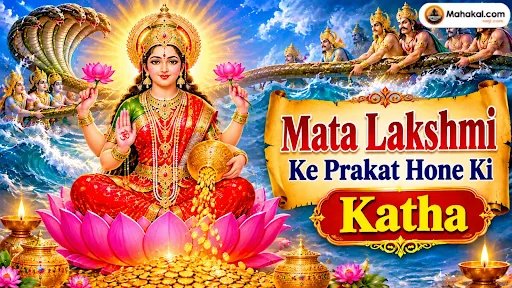
According to Hindu mythology, Goddess Lakshmi emerged from the cosmic ocean during Samudra Manthan, the great churning of the Ocean of Milk. Her appearance is considered one of the most significant events in Hindu mythology.
1. The Story Behind the Appearance of Goddess Lakshmi
According to Hindu scriptures, there was a time when the king of the gods, Lord Indra, became proud of his power and prosperity.
One day, Sage Durvasa offered him a divine garland. However, Indra failed to show proper respect to the sacred gift.
Angered by his behaviour, Sage Durvasa cursed the gods, and as a result, they gradually lost their strength, glory, and prosperity.
The demons became powerful, and the gods began facing defeat.
Unable to solve their problems, the gods approached Lord Vishnu and requested his guidance.
Lord Vishnu advised them to perform Samudra Manthan, the churning of the Ocean of Milk, with the help of the demons. He explained that many divine treasures, including Amrit, the nectar of immortality, would emerge from the ocean.
2. Goddess Lakshmi Emerges During Samudra Manthan
Following Lord Vishnu's advice, the gods and demons agreed to churn the cosmic ocean.
Mount Mandara was used as the churning rod, while the serpent king Vasuki served as the rope. Lord Vishnu took the form of Kurma, the divine tortoise, to support the mountain.
As the churning continued, several divine objects and treasures emerged from the ocean.
Among these treasures was Goddess Lakshmi herself.
According to the traditional account, Goddess Lakshmi appeared in a magnificent divine form, seated on a lotus flower. Her appearance spread divine radiance throughout the universe.
The gods and sages welcomed her with prayers and devotion.
Her emergence is considered a symbol of the arrival of wealth, good fortune, beauty, and prosperity in the world.
3. Why Did Goddess Lakshmi Choose Lord Vishnu?
After emerging from the Ocean of Milk, Goddess Lakshmi was praised by the gods and divine beings.
According to Hindu mythology, she chose Lord Vishnu as her divine consort.
Lord Vishnu is regarded as the preserver and protector of the universe, while Goddess Lakshmi represents wealth, fortune, and abundance.
Together, Lakshmi and Vishnu symbolize the balance between prosperity and righteousness.
Their divine relationship teaches that wealth should always be accompanied by good values, responsibility, and dharma.
4. What Are the Eight Forms of Goddess Lakshmi?
Goddess Lakshmi is worshipped in eight principal forms, collectively known as Ashta Lakshmi.
Each form represents a different aspect of prosperity and well-being.
-
Adi Lakshmi: Represents spiritual strength and divine blessings.
-
Dhana Lakshmi: Represents financial wealth and material prosperity.
-
Dhanya Lakshmi: Represents food, grains, and agricultural abundance.
-
Gaja Lakshmi: Represents royal prosperity, dignity, and abundance.
-
Santana Lakshmi: Represents family happiness and the blessing of children.
-
Veera Lakshmi: Represents courage, strength, and confidence.
-
Vijaya Lakshmi: Represents success, achievement, and victory.
-
Vidya Lakshmi: Represents education, knowledge, and wisdom.
These eight forms remind devotees that true prosperity includes much more than financial wealth. It also includes knowledge, courage, family happiness, and spiritual growth.
5. Religious Significance of Goddess Lakshmi in Hinduism
Goddess Lakshmi is worshipped as the divine source of wealth, prosperity, and good fortune.
Her religious importance can be understood through several aspects:
-
Wealth and Abundance: She symbolizes financial prosperity and material well-being.
-
Good Fortune: Devotees pray for happiness and positive changes in their families.
-
Food and Nourishment: She represents abundance, nourishment, and the availability of essential resources.
-
Peace and Positivity: Her worship encourages cleanliness, devotion, and a peaceful home environment.
-
Righteous Living: Her blessings are traditionally associated with honesty, good actions, and respect for others.
6. How to Worship Goddess Lakshmi?
Goddess Lakshmi is especially worshipped on Fridays and during the festival of Diwali.
Here is a simple traditional puja procedure:
-
Wake up early and take a bath.
-
Clean the worship area and place an idol or picture of Goddess Lakshmi.
-
Offer red or pink flowers.
-
Light a diya and incense sticks.
-
Offer fruits, sweets, or kheer as bhog.
-
Chant the sacred Lakshmi mantra.
-
Perform the Lakshmi Aarti and pray for family happiness and prosperity.
Goddess Lakshmi Mantra:
Om Shreem Mahalakshmyai Namah.
Devotees chant this mantra with faith and devotion while seeking the blessings of Goddess Lakshmi.
7. Good Habits Associated with the Blessings of Goddess Lakshmi
Traditional Hindu beliefs emphasize that prosperity should be accompanied by good habits and positive behaviour.
Some important practices include:
-
Keep your home clean and organized.
-
Respect food and money.
-
Use financial resources wisely.
-
Help poor and needy people.
-
Maintain love and respect within the family.
-
Follow honesty, hard work, and good values.
These practices remind us that real prosperity is not limited to wealth but also includes peace, kindness, and contentment.
8. Importance of Goddess Lakshmi Worship During Diwali
Diwali is one of the most important festivals in Hinduism. On this occasion, devotees worship Goddess Lakshmi and Lord Ganesha.
According to traditional beliefs, Goddess Lakshmi visits homes on Diwali night. People clean and decorate their houses, light diyas, create rangoli designs, and offer prayers to welcome her blessings.
Lakshmi Puja represents the hope for happiness, abundance, prosperity, and positive beginnings.
The deeper message of Diwali is that wealth should be earned and used with honesty, wisdom, and responsibility.
Conclusion
The story of Goddess Lakshmi's appearance during Samudra Manthan is one of the most beautiful narratives in Hindu mythology.
Her emergence from the Ocean of Milk symbolizes wealth, fortune, abundance, and divine prosperity. Her association with Lord Vishnu also teaches the importance of maintaining a balance between material success and righteousness.
True prosperity is not just about possessing wealth. It also means having a peaceful family, a healthy mind, good values, and the willingness to help others.
What's Your Reaction?