Karwa Chauth 2026: Date, Shubh Muhurat, Puja Vidhi, Vrat Katha and Moonrise Time
Karwa Chauth is an important Hindu festival celebrated primarily by married women who pray for their husbands' long life, good health, happiness, and prosperity. In 2026, Karwa Chauth will be observed on Thursday, October 29. On this day, women traditionally consume Sargi before sunrise and observe a fast throughout the day. In the evening, they worship Lord Shiva, Goddess Parvati, Lord Ganesha, and Karwa Mata, and listen to the traditional Karwa Chauth Vrat Katha. After sighting the moon, they offer Arghya and break their fast according to family traditions. The festival symbolizes love, devotion, trust, and marital harmony. The puja muhurat and moonrise time vary by location, so devotees should consult their local Panchang for accurate timings.
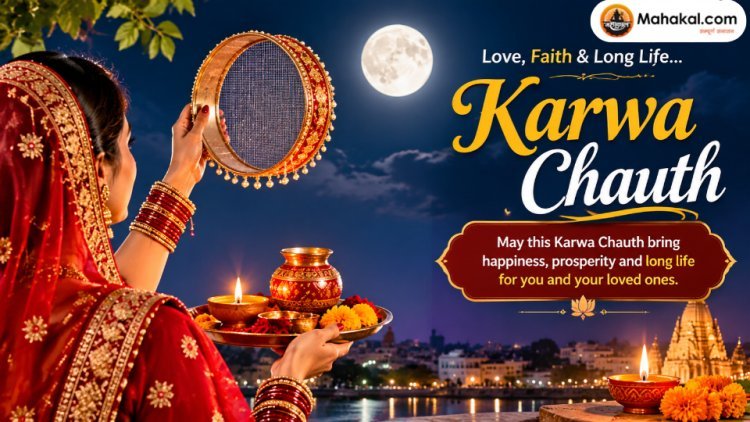
Karwa Chauth 2026: Date, Shubh Muhurat, Puja Vidhi, Vrat
Katha and Moonrise Time
Introduction to Karwa Chauth and Its Religious Significance
Karwa Chauth is one of the most significant Hindu festivals, celebrated primarily by married women to pray for the long life, good health, happiness, and prosperity of their husbands. This sacred festival symbolizes love, devotion, trust, commitment, and the strong bond between husband and wife. It is celebrated with great enthusiasm in North India and among Hindu communities across the country.
On this day, women traditionally observe a fast from sunrise until the moon is sighted at night. Many women begin their fast after consuming Sargi before sunrise. Throughout the day, they refrain from eating and drinking according to traditional customs. In the evening, they worship Lord Shiva, Goddess Parvati, Lord Ganesha, and Karwa Mata. After sighting the moon, offering Arghya, and praying for their husbands' well-being, they break their fast.
According to Hindu religious beliefs, observing the Karwa Chauth vrat with devotion brings blessings for marital happiness, family prosperity, and peace in the household. Women dress in traditional attire, apply mehndi, wear their bridal ornaments, and participate in the puja and traditional storytelling.
Karwa Chauth is not merely a fasting ritual; it also reflects Indian culture, family values, and the importance of mutual love and respect in married life. Worshipping Goddess Parvati and Lord Shiva is considered especially auspicious because they represent an ideal divine couple.
When Is Karwa Chauth in 2026?
Karwa Chauth will be observed on Thursday, October 29, 2026. It falls on Chaturthi Tithi of Krishna Paksha in the Hindu month of Kartik.
The date and timings of Karwa Chauth puja are determined according to the Hindu lunar calendar and local Panchang. Women traditionally observe the fast throughout the day and perform the evening puja during the auspicious period. The fast is generally concluded after moonrise, when the moon is worshipped and Arghya is offered.
As moonrise varies from city to city, devotees should check their local Panchang for the correct moonrise time and puja muhurat.
Karwa Chauth 2026 Puja Muhurat and Moonrise Time
The evening puja is traditionally performed during Pradosh Kaal, the period around sunset considered auspicious for worship.
For New Delhi, the published Panchang timings for October 29, 2026, indicate the following:
-
Karwa Chauth Date: Thursday, October 29, 2026
-
Puja Muhurat: Approximately 5:38 PM to 6:56 PM
-
Expected Moonrise: Approximately 8:17 PM
These timings are location-specific and should be verified using a reliable local Panchang before publication or observance. The exact moonrise time may differ in Ujjain, Rewa, Indore, Bhopal, and other cities.
Complete Karwa Chauth Puja Vidhi
Karwa Chauth puja is performed with devotion and follows several traditional rituals, beginning with the morning preparations and concluding with moon worship at night.
1. Wake Up Early and Consume Sargi
Women traditionally wake up before sunrise, take a bath, and consume Sargi, a pre-dawn meal often prepared or given by their mother-in-law.
Sargi may include fruits, dry fruits, sweets, milk, curd, vermicelli, and other traditional foods. It provides nourishment before the fasting period begins.
After consuming Sargi, women take a vow to observe the Karwa Chauth fast with devotion. Traditionally, this is a Nirjala Vrat, meaning that food and water are avoided until the moon is sighted. However, people with health concerns should prioritize their well-being and seek medical advice before attempting a strict fast.
2. Wear Traditional Clothes and Perform Solah Shringar
After bathing, women wear clean or traditional festive clothing. Red, maroon, pink, and other auspicious colors are commonly chosen for the occasion.
Many women perform Solah Shringar, the traditional sixteen forms of adornment associated with married women. These may include sindoor, bindi, bangles, mangalsutra, mehndi, kajal, anklets, toe rings, and other ornaments.
These traditional adornments symbolize marital happiness, beauty, good fortune, and devotion.
3. Prepare the Puja Place
In the evening, prepare a clean puja space at home. Place a wooden platform and cover it with a red or yellow cloth. Install pictures or idols of Lord Shiva, Goddess Parvati, and Lord Ganesha.
Keep the Karwa Mata image or the symbol traditionally used in your family. Arrange the puja thali, a karwa filled with clean water, flowers, roli, rice grains, incense, a diya, sweets, and other necessary offerings.
In many traditions, a sacred thread is tied around the karwa, and wheat or rice grains are placed on its lid.
4. Worship Lord Shiva, Goddess Parvati, and Lord Ganesha
Begin the puja by remembering Lord Ganesha, who is worshipped as the remover of obstacles. Then offer flowers, roli, rice grains, incense, and a lit diya to Lord Shiva and Goddess Parvati.
Pray to Goddess Parvati for marital happiness, harmony, and good fortune. Seek Lord Shiva's blessings for peace, stability, good health, and prosperity in the family.
Offer prayers to Karwa Mata according to your family traditions. Devotees may also chant prayers, recite mantras, and sing devotional bhajans during the puja.
5. Listen to the Karwa Chauth Vrat Katha
Listening to or reading the Karwa Chauth Vrat Katha is an important part of the evening rituals. The most widely known stories include the tale of Veeravati and the traditional story of Karwa Mata.
Women often sit together during the storytelling ritual, holding rice grains or flowers in their hands. After the story, they perform the aarti and pray for the well-being of their families.
6. Perform the Karwa Exchange Ritual
In many communities, women exchange karwas as part of the traditional celebration. They pass the decorated karwa or puja thali among themselves, offer blessings, and sing traditional Karwa Chauth songs.
The exact procedure varies by region and family tradition. Women may also perform the customary Bayana ritual, offering gifts or food items to elders or their mother-in-law.
7. Worship the Moon and Offer Arghya
After moonrise, women prepare their puja thali and look at the moon. Traditionally, they offer water to the moon as Arghya and pray for their husbands' long lives, good health, and happiness.
In many families, women look at the moon through a sieve and then look at their husbands through the same sieve. The husband may then offer water and sweets to his wife, helping her break the fast.
This ritual symbolizes affection, trust, mutual care, and commitment between husband and wife.
8. Break the Fast After Moon Worship
After completing the moon worship and offering Arghya, women traditionally break their fast. They may first drink water and then eat fruit, sweets, or a meal.
Many families distribute prasad, seek blessings from elders, and enjoy a meal together after the rituals are completed.
Complete List of Karwa Chauth Puja Samagri
The following items are commonly used for Karwa Chauth puja:
-
Idols or pictures of Lord Shiva, Goddess Parvati, and Lord Ganesha
-
Picture or traditional symbol of Karwa Mata
-
Clay or metal karwa filled with clean water
-
Wooden platform and red or yellow cloth
-
Roli, kumkum, turmeric, and rice grains
-
Sacred thread or moli
-
Fresh flowers and garlands
-
Diya, cotton wicks, ghee or oil
-
Incense sticks and camphor
-
Fruits, sweets, and prasad
-
Wheat or rice grains
-
Puja thali and water vessel
-
Sieve for moon viewing
-
Sindoor, bangles, mehndi, and traditional ornaments
-
Karwa Chauth Vrat Katha book
-
Aarti plate
-
Bayana and other offerings according to family traditions
The list may vary according to regional customs. The most important elements of the puja are faith, devotion, and sincere prayers.
Complete Karwa Chauth Vrat Katha: The Story of Veeravati
The story of Veeravati is one of the most popular traditional narratives associated with Karwa Chauth. It highlights devotion, faith, patience, and the importance of following the fasting rituals with sincerity.
According to the traditional story, there once lived a beautiful and virtuous princess named Veeravati. She was the only sister of seven loving brothers. After her marriage, she observed her first Karwa Chauth fast for the long life and well-being of her husband.
Veeravati woke up early, consumed Sargi, and began her fast. Throughout the day, she remained without food and water. As evening approached, she became weak and uncomfortable because of hunger and thirst.
Her seven brothers were deeply concerned about their beloved sister. They could not bear to see her suffering and decided to find a way to make her break the fast.
The brothers created an illusion of moonlight by lighting a lamp at a distance and arranging it so that it appeared to be the moon shining through a sieve. They then told Veeravati that the moon had risen and that she could complete her rituals and eat.
Believing her brothers, Veeravati looked at the artificial light as if it were the moon, offered her prayers, and broke her fast.
However, after she began eating, she received distressing news about her husband. Different regional versions of the story describe this unfortunate event in slightly different ways.
Heartbroken, Veeravati realized that she had broken her fast without seeing the actual moon. She regretted her mistake and prayed sincerely to Lord Shiva, Goddess Parvati, and Karwa Mata for her husband's well-being.
Moved by her devotion and determination, the divine powers blessed her, and according to the traditional narrative, her husband's life was restored.
Veeravati then resolved to observe Karwa Chauth with complete faith and care. Her story became an important part of the traditional Karwa Chauth Vrat Katha.
Moral of the Veeravati Story
The story teaches the values of faith, patience, devotion, and sincerity. It is traditionally narrated during Karwa Chauth puja to remind devotees of the importance of maintaining their religious resolve.
Another Popular Karwa Chauth Story: The Story of Karwa Mata
Another well-known folk story associated with Karwa Chauth is the tale of a devoted woman named Karwa.
According to the legend, Karwa's husband was bathing in a river when a crocodile caught hold of his leg. Finding himself in danger, he called for help.
Karwa immediately came to her husband's aid. She was deeply devoted to him and determined to protect his life. Through her courage and spiritual resolve, she restrained the crocodile and prayed for her husband's safety.
In the traditional narrative, Karwa approached Yama, the god associated with death, and requested that her husband's life be protected and that the crocodile be punished.
Impressed by her devotion and determination, divine intervention saved her husband. The story became associated with the significance of Karwa Mata and the belief in a wife's prayers for her husband's well-being.
The tale is remembered as a symbol of courage, loyalty, love, and steadfast devotion during difficult circumstances.
Karwa Chauth Fasting Rules and Important Precautions
Women traditionally observe Karwa Chauth according to their family customs and religious beliefs. The following practices are commonly followed:
-
Consume Sargi before sunrise: Eat a nourishing pre-dawn meal and drink sufficient fluids before the fast begins.
-
Take a fasting vow: Begin the day with prayers and a sincere intention to observe the vrat.
-
Participate in the evening puja: Worship the deities and listen to the traditional vrat katha.
-
Offer Arghya to the moon: Complete the traditional moon-worship ritual before breaking the fast.
-
Follow family traditions: Customs regarding karwa exchange, Bayana, and puja materials may differ by region.
-
Prioritize health and safety: A strict waterless fast may be unsafe for people with diabetes, pregnancy, certain medical conditions, or medicines that require food or water. Consult a healthcare professional and adapt the fast when necessary.
What's Your Reaction?