Melodious Shri Krishna Bhajans and the Importance of Devotion: Discover the Message of Divine Love, Peace, and Surrender
Discover famous Shri Krishna bhajans and the importance of Krishna devotion. Explore the spiritual messages of Radha-Krishna songs, traditional devotional compositions, divine love, faith, and surrendeer
Content Blog
Melodious Shri Krishna Bhajans and the Importance of Devotion: Discover the Message of Divine Love, Peace, and Surrender
Why Do Shri Krishna's Melodious Bhajans Touch the Hearts of Devotees?
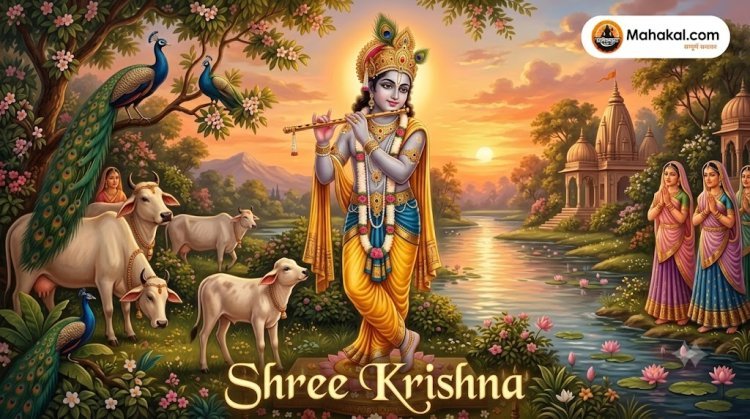
In Hinduism, Lord Shri Krishna is revered as a symbol of divine love, compassion, wisdom, righteousness, and spiritual joy. His enchanting appearance, peacock-feather crown, flute, and gentle smile hold a special place in the hearts of devotees. His divine pastimes, the teachings of the Bhagavad Gita, and the devotional traditions associated with Radha and Krishna have inspired generations to explore faith and spiritual understanding.
Melodious Krishna bhajans are a beautiful expression of this devotion. When devotees listen to songs dedicated to Kanha, they may remember his childhood pastimes, the sweetness of his flute, his divine form, and the devotional traditions associated with Radha Rani.
Some Krishna bhajans express the affection of a parent for the divine child, while others celebrate Radha-Krishna's divine love or the devotee's complete surrender to God.
But what makes Krishna bhajans so appealing to people across generations? What is the real significance of Krishna devotion? And how can these devotional songs inspire love, patience, and a positive outlook in everyday life?
Let us explore these questions in detail.
1. What Are Melodious Shri Krishna Bhajans?
Shri Krishna bhajans are devotional songs, poetic compositions, and hymns that celebrate Lord Krishna's divine form, pastimes, teachings, and relationships with his devotees.
The tradition of Krishna devotion is rich and diverse. It includes the devotional poetry of Surdas and Mirabai, Vaishnava compositions, Radha-Krishna songs, traditional kirtans, and modern devotional music.
These compositions express different forms of devotion:
-
Love: Expressing affection and closeness to Lord Krishna.
-
Parental affection: Worshipping Krishna as the divine child, Bal Gopal.
-
Madhurya Bhava: Devotion expressed through the divine-love traditions associated with Radha and Krishna.
-
Service: Approaching God with humility and a desire to serve.
-
Friendship: Experiencing a personal and friendly relationship with the divine.
-
Surrender: Offering one's actions and life to God through faith and devotion.
These varied expressions help Krishna bhajans appeal to people with different interests, ages, and devotional preferences.
2. Ten Famous Krishna Devotional Compositions and Their Significance
Krishna devotion includes many traditional bhajans, saint-poets' compositions, kirtans, and sacred mantras. The following ten examples represent different aspects of this tradition. Some are traditional poetic compositions, while others are devotional songs or sacred chants.
1. Achyutam Keshavam Krishna Damodaram
Introduction: Achyutam Keshavam Krishna Damodaram is a popular devotional composition that celebrates various names of Lord Vishnu and Lord Krishna. It is available in many musical arrangements.
Religious Significance: The names Achyuta, Keshava, and Damodara hold special importance in Vaishnava devotional traditions.
Message of Devotion: Remembering the divine names and expressing one's faith through prayer.
2. Govind Bolo Hari Gopal Bolo
Introduction: This is a popular devotional composition that celebrates the names of Lord Krishna and Lord Vishnu through collective chanting.
Religious Significance: Govinda and Gopala are well-known names of Krishna. Gopala is associated with Krishna's role as a protector of cows and his pastoral pastimes in Braj.
Message of Devotion: Developing love, simplicity, and a spirit of collective worship through the remembrance of God.
3. Shri Krishna Govind Hare Murari
Introduction: Shri Krishna Govind Hare Murari is a popular devotional song praising Lord Krishna through his sacred names. It has been presented in different musical styles.
Religious Significance: The composition remembers Krishna through names such as Govinda, Murari, and Hari.
Message of Devotion: Maintaining faith and turning toward prayer and reflection during difficult moments.
4. Are Dwarpalon Kanhaiya Se Keh Do
Introduction: This emotional devotional song draws inspiration from the traditional story of Sudama and Lord Krishna's friendship.
Religious Significance: The story of Sudama and Krishna is widely understood as an example of sincere friendship, humility, and selfless love.
Message of Devotion: Genuine relationships are built on affection and sincerity rather than wealth, status, or outward appearances.
5. Maiya Mori, Main Nahi Makhan Khayo
Introduction: This famous composition associated with Surdas describes the playful childhood pastimes of Lord Krishna, particularly the stories of butter stealing.
Religious Significance: The childhood pastimes of Krishna are an important part of the Vatsalya Bhava tradition, in which devotees approach the Lord with parental affection.
Message of Devotion: Experiencing love, joy, and closeness through devotion to the child form of Krishna.
6. Payo Ji Maine Ram Ratan Dhan Payo
Introduction: This famous devotional composition is traditionally associated with Mirabai. Its lyrics refer to the name of Ram, and it is better understood as part of the broader saint-poet devotional tradition rather than identified exclusively as a Krishna bhajan.
Religious Significance: Mirabai is widely remembered as a devoted follower of Lord Krishna. Her devotional poetry expresses love, renunciation, and surrender to God.
Message of Devotion: Recognising the importance of spiritual values beyond material achievements.
7. Mere To Giridhar Gopal, Dusro Na Koi
Introduction: This famous composition associated with Mirabai expresses her unwavering devotion to Giridhar Gopal, a name of Lord Krishna.
Religious Significance: The composition represents exclusive devotion and wholehearted surrender to Krishna.
Message of Devotion: Maintaining sincerity, trust, and faith in one's chosen deity.
8. Madhuban Mein Radhika Nache Re
Introduction: Madhuban Mein Radhika Nache Re is a popular musical composition inspired by the devotional imagery of Radha and Krishna. It has been presented in various musical and cultural performances.
Religious Significance: Vrindavan and Madhuban are closely associated with Krishna's divine pastimes, the Raas tradition, and Braj culture.
Message of Devotion: Expressing devotion and spiritual joy through music, dance, and artistic expression.
9. Hare Krishna Hare Krishna, Krishna Krishna Hare Hare
Introduction: This is the opening portion of the famous Hare Krishna Mahamantra, which is widely chanted and sung in Vaishnava traditions.
Religious Significance: The complete mantra repeatedly invokes the sacred names of Hari and Krishna. Many Vaishnava traditions consider chanting the divine name an important form of devotional practice.
Message of Devotion: Remembering God, maintaining a regular spiritual practice, and directing attention toward devotion.
10. Yashomati Maiya Se Bole Nandlala
Introduction: This popular song describes the affectionate relationship between young Krishna and his mother, Yashoda.
Religious Significance: The relationship between Yashoda and child Krishna is an important expression of Vatsalya Bhava, or parental devotion.
Message of Devotion: Celebrating love, affection, family bonds, and devotion to the child form of Krishna.
The popularity of these compositions varies across regions and musical traditions. Many have been recorded and performed in different styles.
3. What Is the True Importance of Krishna Devotion?
Krishna devotion is not limited to singing bhajans or visiting temples. The Bhagavad Gita and different Krishna devotional traditions emphasise righteousness, duty, love, wisdom, and surrender.
The Message of Love and Compassion
Krishna devotion can encourage people to develop love, respect, and compassion toward others. Devotion is not only about expressing reverence for a deity; it can also inspire people to practise kindness in their everyday behaviour.
The Importance of Duty and Action
In the Bhagavad Gita, Lord Krishna teaches Arjuna about fulfilling his duty, making thoughtful decisions, and focusing on righteous action.
Inspired by these teachings, a devotee may try to carry out daily responsibilities sincerely and focus on making a genuine effort rather than becoming excessively preoccupied with outcomes.
Learning Humility
Krishna's teachings emphasise self-knowledge, wisdom, and discernment. Devotional practice can encourage people to remain humble even when they achieve success.
Faith and Patience
For many devotees, Krishna bhakti offers hope and emotional support during difficult periods. Prayer and spiritual reflection may encourage patience and help people approach life's challenges thoughtfully.
4. How Can Listening to Krishna Bhajans Make You Feel?
Listening to melodious Krishna bhajans can be an enjoyable and emotionally meaningful experience for many people. The effect depends on individual preferences, circumstances, and the kind of music being heard.
An opportunity to focus: Paying attention to a bhajan's lyrics and melody can provide a short break from other thoughts and distractions.
Emotional expression: Songs about love, longing, joy, and surrender can help listeners recognise and express their feelings.
A devotional atmosphere: Playing bhajans at home can create an environment suitable for prayer and worship.
Self-reflection: Thinking about a song's meaning can encourage reflection on love, responsibility, patience, and humility.
It is important to remember that everyone experiences devotional music differently. Listening to bhajans should not be considered a substitute for professional care for mental health concerns.
5. The Significance of Listening to Krishna Bhajans in the Morning
Morning is an opportunity for many people to begin the day with prayer and reflection. Listening to melodious Krishna bhajans can help devotees establish a regular spiritual routine.
-
Begin the day by remembering Lord Krishna.
-
Develop a consistent devotional habit.
-
Set a positive intention for the day.
-
Make time for peaceful music and prayer.
-
Reflect on Krishna's teachings and approach daily responsibilities thoughtfully.
You can listen to Krishna bhajans for five to fifteen minutes, according to your schedule. No particular time is compulsory.
6. Why Is Love Important in Radha-Krishna Devotion?
Radha-Krishna devotion occupies a special place in Hindu religious and cultural traditions. Radha Rani is often regarded as an embodiment of profound love and devotion toward Krishna.
Radha-Krishna bhajans express emotions such as love, longing, union, and surrender. In many devotional traditions, this love is understood not merely as an earthly emotion but also as a symbol of divine love and the soul's relationship with God.
Through Radha-Krishna devotion, followers may reflect on selfless love, trust, and respect in their relationships.
This is one reason why devotional songs associated with Radhe Radhe, Shyam, and Banke Bihari are especially popular in Vrindavan, Barsana, and other important Krishna pilgrimage centres.
7. How Can You Practise Krishna Devotion in Everyday Life?
Including Krishna devotion in daily life does not require a complicated routine. You can adopt simple practices according to your faith and circumstances.
-
Listen to a Krishna bhajan in the morning or evening.
-
Read the meaning of a verse from the Bhagavad Gita.
-
Fulfil your daily responsibilities honestly.
-
Treat family members and other people with kindness.
-
Try to help people who need support.
-
Reflect on your actions at the end of the day and identify opportunities to improve.
In this way, devotion can become more than a ritual. It can also influence everyday behaviour, decisions, and personal values.
8. What Is the Best Time to Listen to Krishna Bhajans?
There is no single compulsory time for listening to Krishna bhajans. You can enjoy devotional music whenever it fits your daily routine.
-
Early Morning: For prayer and meditation.
-
Evening: For quiet reflection after daily responsibilities.
-
Krishna Janmashtami: For devotional singing, kirtan, and special worship celebrating Krishna's birth.
-
Ekadashi: For prayer, remembrance, and devotional observances according to personal tradition.
-
Devotional Gatherings: For collective singing, shared faith, and community participation.
The most important consideration is to practise devotion sincerely and in a way that suits your circumstances.
Conclusion:
The Message of Melodious Shri Krishna Bhajans and Devotion
Melodious Shri Krishna bhajans are a beautiful expression of love, compassion, joy, faith, and surrender. From the devotional poetry of Surdas and Mirabai to traditional kirtans and modern Krishna songs, this rich devotional tradition offers many ways to connect with the divine.
The importance of Krishna devotion lies not only in remembering God's name but also in drawing inspiration from his teachings and practising duty, humility, love, and wisdom in daily life.
When listening to Krishna bhajans, take a moment to reflect on their words and emotions. They can provide an opportunity to reconnect with your faith, consider life's values, and spend some time in quiet reflection.
Devotion to Lord Krishna reminds us that genuine love is expressed not only through words but also through our actions, compassion, and responsibilities.
Radhe Radhe! Jai Shri Krishna!
What's Your Reaction?