: Why Is Dev Deepawali Celebrated? Discover the Religious Mystery Behind Lord Shiva and Tripurasura
Discover why Dev Deepawali is celebrated, the popular story of Lord Shiva and Tripurasura, the significance of Kartik Purnima, and the sacred tradition of Deep Daan in Varanasi.
Content Blog:
Why Is Dev Deepawali Celebrated? Discover the Religious Mystery Behind This Divine Festival
India is renowned for its ancient spiritual traditions, religious beliefs and magnificent festivals. Every Hindu festival carries a unique story, cultural significance or spiritual message. One such important celebration is Dev Deepawali, also known as the Diwali of the Gods.
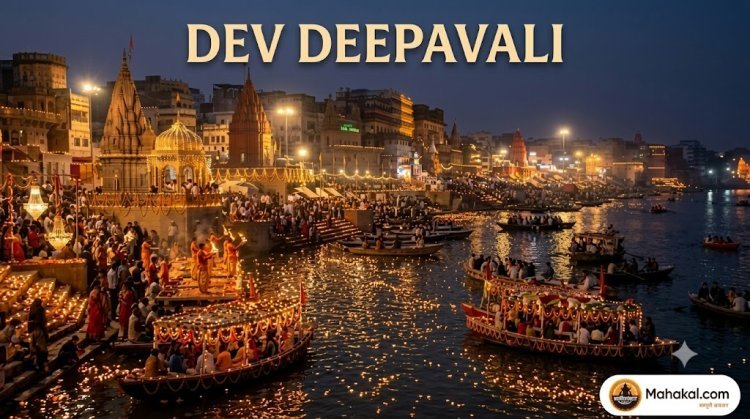
Dev Deepawali is celebrated on Kartik Purnima, the full moon day of the Hindu month of Kartik. It is especially famous in the sacred city of Varanasi, also known as Kashi, in Uttar Pradesh. On this occasion, thousands of lamps illuminate the ghats along the River Ganga, creating a breathtaking atmosphere of devotion and spirituality.
But why is Dev Deepawali celebrated? What is its connection with Lord Shiva? Why do devotees light lamps on Kartik Purnima? Let us explore the religious beliefs, mythological story and spiritual significance behind this beautiful festival.
1. What Is Dev Deepawali?
Dev Deepawali is an important Hindu religious festival celebrated on Kartik Purnima, approximately fifteen days after Diwali.
While Diwali takes place on Kartik Amavasya, the new moon day, Dev Deepawali is observed on Kartik Purnima, the full moon day.
According to popular Hindu religious beliefs, the gods celebrate this auspicious occasion with a divine festival of lights. Devotees mark the day by lighting lamps, offering prayers, participating in religious ceremonies and performing Deep Daan.
The celebration is particularly grand in Varanasi, where temples and riverfront ghats are illuminated with countless lamps. The festival symbolises devotion, hope, spiritual awareness and the victory of righteousness.
2. Why Is Dev Deepawali Celebrated? The Story of Lord Shiva and Tripurasura
One of the most widely known mythological traditions associated with Dev Deepawali concerns Lord Shiva and the demon Tripurasura.
According to Hindu mythology, Tripurasura acquired extraordinary powers through divine boons and established control over three mighty cities. His growing power and arrogance became a source of trouble for the gods and other beings.
The gods prayed to Lord Shiva for protection. To restore righteousness and cosmic order, Lord Shiva confronted Tripurasura and destroyed the three cities associated with him.
This victory is associated with the names Tripurari and Tripurantaka, which refer to Lord Shiva's destruction of the three cities.
According to a popular religious belief, the gods celebrated Lord Shiva's victory by lighting lamps on Kartik Purnima. This divine celebration is traditionally connected with the significance of Dev Deepawali.
The story carries an important spiritual message: arrogance, injustice and evil cannot prevail forever. Truth and righteousness ultimately triumph over darkness.
3. Why Is Dev Deepawali Special in Kashi?
Kashi, also known as Varanasi, is one of the most sacred cities in Hinduism and is closely associated with Lord Shiva.
The city's ancient temples and riverfront ghats have been important centres of worship, meditation and religious activities for centuries.
During Dev Deepawali, the ghats of Varanasi become spectacularly illuminated. Dashashwamedh Ghat, Assi Ghat and other locations are decorated with lamps, while the evening Ganga Aarti fills the atmosphere with devotional chants, bells and prayers.
For devotees, celebrating Dev Deepawali in Kashi is an opportunity to express faith in Lord Shiva, honour the sacred River Ganga and connect with the traditions of Sanatan Dharma.
4. The Religious Significance of Kartik Purnima
Kartik is considered a sacred month in Hindu religious traditions. Worship, fasting, holy bathing, charity and lighting lamps are among the practices associated with this period.
Kartik Purnima is an important religious occasion celebrated in many parts of India. Devotees may worship Lord Shiva, Lord Vishnu and other deities according to their family and regional customs.
Charitable donations and bathing in sacred rivers are also considered auspicious by many devotees.
Since Dev Deepawali falls on Kartik Purnima, the day is associated with devotion, gratitude, spiritual purification and the illumination of life through faith and good deeds.
5. Why Is Deep Daan Performed on Dev Deepawali?
Deep Daan, or the offering of lamps, is one of the central traditions of Dev Deepawali.
In Indian culture, a lamp represents knowledge, purity, hope and the removal of darkness. Lighting a lamp is a way for devotees to express gratitude, offer prayers and seek peace and well-being.
The significance of Deep Daan can be understood through several spiritual ideas:
-
Light over darkness: A lamp symbolises the victory of knowledge over ignorance.
-
Devotion to God: Lighting a lamp expresses faith and gratitude.
-
Prayers for well-being: Devotees pray for the happiness and prosperity of their families.
-
Spiritual awareness: The flame encourages reflection, discipline and inner peace.
-
Compassion and charity: The festival inspires people to support those in need.
When offering lamps near the River Ganga, devotees often pray for wisdom, harmony and positive changes in their lives.
6. What Is the Difference Between Diwali and Dev Deepawali?
Diwali and Dev Deepawali are both important Hindu festivals associated with light, but they are celebrated on different dates and have distinct religious associations.
Diwali is celebrated on Kartik Amavasya, the new moon day. Its traditions include lighting lamps, worshipping Goddess Lakshmi and remembering the popular story of Lord Rama's return to Ayodhya.
Dev Deepawali is celebrated on Kartik Purnima, the full moon day. It is especially associated with Kashi, the River Ganga, Deep Daan and the popular mythological tradition of Lord Shiva's victory over Tripurasura.
Both festivals convey the message that light, goodness and righteousness can overcome darkness and negativity.
7. What Should Devotees Do on Dev Deepawali?
Devotees can observe Dev Deepawali according to their beliefs and family traditions. Common practices include:
-
Take a bath in the morning and wear clean clothes.
-
Offer prayers to Lord Shiva, Lord Vishnu and the sacred River Ganga.
-
Light a lamp in the home temple.
-
Participate in Deep Daan at a suitable religious location, where permitted.
-
Donate food, clothing or other essentials to people in need.
-
Spend time in prayer, meditation and mantra chanting.
-
Listen to religious stories and explain the significance of the festival to children.
-
Respect local safety guidelines and keep rivers clean by choosing environmentally responsible offerings.
The purpose of these practices is to cultivate devotion, gratitude, kindness and respect for nature.
8. What Is the Spiritual Mystery Behind Dev Deepawali?
The deeper spiritual meaning of Dev Deepawali goes beyond the beauty of illuminated ghats and the lighting of lamps.
The festival encourages people to discover the light of wisdom within themselves. Just as a small lamp illuminates a dark space, a good thought or compassionate action can bring positive change to someone's life.
The story of Lord Shiva and Tripurasura reminds devotees to overcome arrogance, injustice and negative tendencies. The tradition of Deep Daan encourages gratitude, reflection and spiritual awareness.
Dev Deepawali teaches that true illumination begins within the heart. When people practise honesty, humility, compassion and kindness, the message of the festival becomes part of everyday life.
9. The Cultural and Social Importance of Dev Deepawali
Dev Deepawali is not only a religious celebration but also an important expression of India's cultural heritage.
In Varanasi, the festival brings together devotees, local residents and visitors from different parts of the world. The illuminated ghats, traditional ceremonies and Ganga Aarti showcase the city's deep connection with spirituality.
The festival also supports cultural tourism and provides an opportunity for people to experience India's ancient religious traditions.
The gathering of thousands of illuminated lamps conveys a meaningful lesson: individual contributions can create something extraordinary when people come together with a shared purpose.
Conclusion:
What Does Dev Deepawali Teach Us?
Dev Deepawali is a sacred festival associated with light, devotion and the victory of righteousness. According to a popular Hindu religious belief, it commemorates the divine celebration connected with Lord Shiva's victory over Tripurasura on Kartik Purnima.
In Kashi, thousands of lamps illuminate the ghats of the River Ganga, creating an atmosphere of devotion and spiritual reflection.
The deeper message of Dev Deepawali is that the light of faith should also shine through our thoughts, words and actions. By practising kindness, overcoming negativity, helping others and respecting nature, we can bring the spirit of this festival into our everyday lives.
What's Your Reaction?