The Spiritual Significance of Yajurved Upakarma and the Vedic Tradition
Yajurved Upakarma is an important spiritual tradition rooted in the ancient Vedic culture of India. Discover the spiritual significance of Yajurved Upakarma
The Spiritual Significance of Yajurved Upakarma and the Vedic Tradition
Indian Vedic culture is home to many sacred rituals and traditions that go beyond religious practices. They encourage self-reflection, discipline, spiritual growth, and a deeper connection with ancient wisdom. Yajurved Upakarma is one such important Vedic tradition. It is associated with Vedic learning, spiritual purification, self-discipline, and renewed dedication to knowledge.
Upakarma is traditionally connected with the study of the Vedas. It provides an opportunity to remember the importance of Vedic knowledge, express gratitude toward teachers and sages, and renew one's commitment to spiritual discipline.
What Is Yajurved Upakarma?
The word Upakarma is traditionally understood in the context of beginning or renewing an auspicious and sacred activity. In the Yajurveda tradition, Upakarma is associated with the renewal of one's commitment to Vedic study and spiritual practices.
Yajurved Upakarma is not simply a religious ceremony. Its deeper purpose is to encourage purification, knowledge, discipline, and spiritual awareness.
The rituals may include sankalpa, remembrance of sages, Vedic prayers, and practices associated with the sacred thread. The exact procedure can vary according to the Vedic branch, family tradition, and regional customs.
Spiritual Significance of Yajurved Upakarma
The central message of Yajurved Upakarma is connected with knowledge, purification, self-reflection, and spiritual discipline. In the Vedic tradition, knowledge is not considered merely an intellectual achievement. It is regarded as a means of improving one's thoughts, actions, and way of life.
Upakarma encourages a person to renew their commitment to learning and to bring greater awareness into everyday life.
1. A Symbol of Spiritual Purification
Upakarma provides an opportunity for self-reflection and inner purification. It encourages individuals to look at their thoughts, actions, and habits and make a conscious effort toward positive change.
2. Respect for Vedic Knowledge
The tradition involves remembrance of sages and the teacher lineage through which Vedic knowledge has been preserved and passed from one generation to another.
It therefore represents gratitude toward the ancient wisdom traditions and those who dedicated their lives to preserving them.
3. Renewal of Spiritual Discipline
Regular study, self-control, prayer, mantra practice, and disciplined living are important elements of Indian spiritual traditions. Upakarma serves as a reminder to renew these practices and remain connected with one's spiritual path.
4. A New Spiritual Beginning
Upakarma can also be understood as an opportunity for a fresh beginning. It encourages a person to make new resolutions related to learning, ethical conduct, self-discipline, and spiritual development.
Yajurveda and the Upakarma Tradition
Yajurveda is one of the four major Vedas of Indian Vedic tradition. It has an important place in the traditions associated with yajna and Vedic ritual practices.
Traditionally, Vedic knowledge was transmitted through the Guru-Shishya tradition, where students learned not only sacred texts but also discipline, conduct, and values.
Upakarma is connected with this broader tradition of Vedic learning. Its purpose is not limited to performing a ritual on a particular day. Rather, it represents continued dedication to knowledge and spiritual discipline.
Yajñopavīta and Upakarma
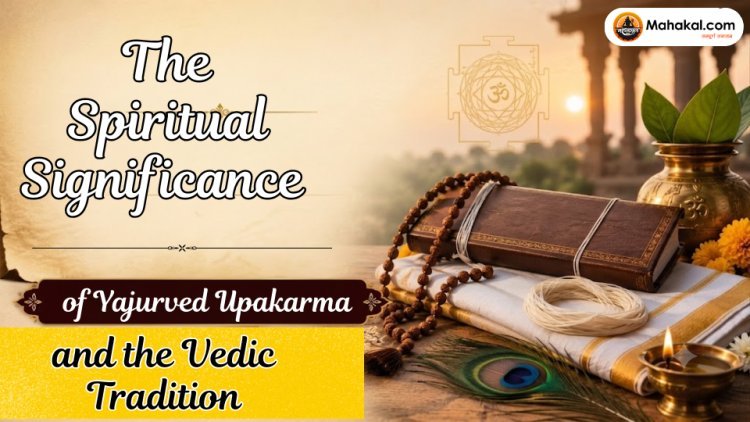
The Yajñopavīta, or sacred thread, has an important place in the traditions associated with Upakarma. Within the Vedic tradition, it can be understood as a symbol of responsibility, discipline, learning, and commitment to one's duties.
During Upakarma, practices related to the sacred thread are traditionally performed. Their deeper spiritual message is to remind an individual of their responsibilities and higher ideals.
However, the specific rituals and procedures may differ according to Vedic school, regional tradition, and family customs. Therefore, following the guidance of a knowledgeable Acharya and one's established tradition is appropriate.
Upakarma as a Practice of Self-Reflection
Modern life can often become focused on work, responsibilities, and material achievements, leaving little time for inner reflection. Traditional practices such as Upakarma provide an opportunity to pause and consider the direction of one's life.
It encourages questions such as:
-
Am I continuing to value knowledge and learning?
-
Am I fulfilling my responsibilities sincerely?
-
Are my thoughts and actions moving in a positive direction?
-
Am I remaining connected with my spiritual and cultural heritage?
From this perspective, Yajurved Upakarma can be understood not merely as a ritual but as a tradition of self-development and spiritual discipline.
Jyotish and Yajurved Upakarma
In Indian tradition, auspicious Tithi, Nakshatra, and Muhurat are often considered before important religious activities. For this reason, the timing of Upakarma is traditionally determined according to the relevant Panchang and Vedic tradition.
This is where Jyotish, or Vedic astrology, can have a role in determining an appropriate time for the observance.
The exact date and Muhurat may vary depending on location, Vedic tradition, and the Panchang being followed. Therefore, it is advisable to follow the local Panchang and guidance from a qualified Acharya when determining the appropriate time.
Relevance of Yajurved Upakarma in Modern Life
The tradition of Yajurved Upakarma remains meaningful because it connects people with their cultural and spiritual roots.
Modern life has brought significant technological and material progress, but the need for peace, discipline, self-awareness, and spiritual reflection remains equally important.
Upakarma reminds us that knowledge is not simply something to acquire; it is something to live by.
When the occasion is used to renew one's commitment to self-study, discipline, truthfulness, service, and positive conduct, the tradition can become deeply meaningful in contemporary life.
Conclusion
Yajurved Upakarma is an important Vedic tradition associated with knowledge, spiritual purification, discipline, and renewal. It provides an opportunity to express gratitude toward sages, teachers, and the ancient tradition of Vedic knowledge.
Its deeper spiritual message lies not merely in completing a ritual, but in bringing knowledge into everyday life, reflecting upon one's actions, and making a renewed commitment to personal and spiritual growth.
The ancient tradition of Yajurved Upakarma continues to offer a timeless message: respect knowledge, purify your actions, remain disciplined, and continue moving forward on the path of spiritual growth.
What's Your Reaction?