Varaha Jayanti 2026: Date, Puja Vidhi, Vrat Katha, Significance & Mantra
Know Varaha Jayanti 2026 date, Lord Varaha Avatar story, Puja Vidhi, Vrat Katha, significance, Puja Samagri, mantra and fasting rules.
Varaha Jayanti: Date, Puja Vidhi, Vrat Katha, Significance, Mantra and Rituals
Varaha Jayanti is an important Hindu religious occasion dedicated to Lord Varaha, the third incarnation of Lord Vishnu according to the Dashavatara tradition.
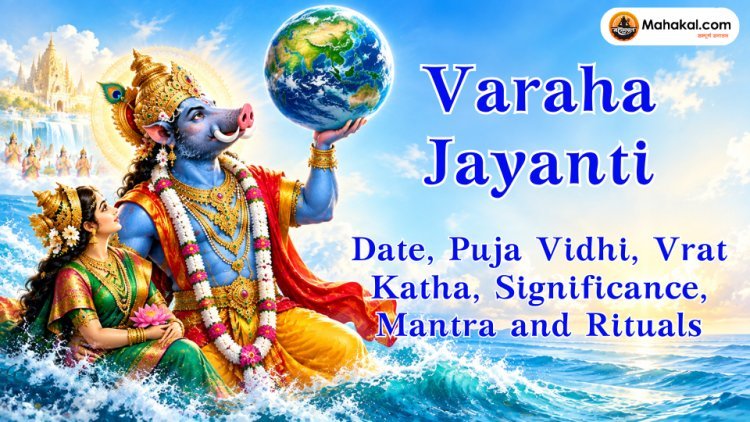
Lord Varaha is depicted with the body of a divine boar and the form of Lord Vishnu. According to Hindu scriptures and traditional beliefs, Lord Vishnu took the Varaha Avatar to rescue Goddess Earth (Bhudevi) from the depths of the cosmic ocean and defeat the powerful demon Hiranyaksha.
Varaha Jayanti is observed on Bhadrapada Shukla Tritiya, the third day of the bright fortnight of the Bhadrapada month.
What Is Varaha Jayanti?
Varaha Jayanti commemorates the divine appearance of Lord Varaha, an incarnation of Lord Vishnu.
According to traditional Hindu belief, when the Earth was submerged in the cosmic waters, Lord Vishnu appeared in the form of Varaha to restore the Earth and protect the cosmic order.
Lord Varaha lifted the Earth with His powerful tusks and restored it to its proper place.
The story symbolizes the victory of dharma over adharma and divine protection during times of crisis.
Who Is Lord Varaha?
Lord Varaha is one of the ten principal incarnations of Lord Vishnu, known as the Dashavatara.
He is traditionally described as having a boar's head and a divine human-like body.
Lord Varaha is especially associated with:
- Protection of the Earth
- Restoration of Dharma
- Strength and courage
- Victory over evil
- Divine protection
- Preservation of cosmic balance
Goddess Earth, known as Bhudevi, is closely associated with Lord Varaha in this tradition.
Varaha Avatar Story
According to the traditional story, there were two powerful demon brothers named Hiranyaksha and Hiranyakashipu.
Hiranyaksha became extremely powerful and created fear among the gods and other beings.
According to the Puranic account, Hiranyaksha took the Earth and submerged it in the cosmic waters.
The gods became worried and prayed to Lord Vishnu for protection.
Lord Vishnu then appeared in the magnificent form of Varaha.
With His immense divine power, Lord Varaha entered the cosmic waters and searched for the submerged Earth.
After finding Bhudevi, Lord Varaha lifted the Earth with His tusks and brought Her back to safety.
A great battle then took place between Lord Varaha and the demon Hiranyaksha.
After a fierce battle, Lord Varaha defeated Hiranyaksha and restored the Earth.
This story is traditionally regarded as a powerful example of the divine protection of creation and the restoration of cosmic order.
Why Did Lord Vishnu Take the Varaha Avatar?
According to Hindu tradition, Lord Vishnu incarnates whenever there is a need to restore Dharma and protect creation.
The Varaha Avatar is particularly associated with the rescue of the Earth from the cosmic waters.
The incarnation therefore represents:
Protection + Strength + Restoration + Victory of Dharma
The story reminds devotees that divine power protects righteousness and restores balance when evil becomes dominant.
Significance of Varaha Jayanti
Varaha Jayanti holds special religious significance for devotees of Lord Vishnu.
According to traditional beliefs, worshipping Lord Varaha on this day is associated with seeking divine protection, courage, prosperity, and stability.
The festival also reminds devotees about the importance of respecting and protecting the Earth.
The major spiritual messages associated with Varaha Jayanti include:
- Dharma ultimately triumphs over Adharma.
- Divine protection is available to those who follow righteousness.
- Strength should be used to protect others.
- The Earth should be respected and cared for.
- Courage and faith help overcome difficult situations.
Varaha Jayanti Puja Vidhi
Devotees can perform Varaha Jayanti Puja according to their family and regional traditions.
1. Wake Up Early
Wake up early in the morning and take a bath.
Wear clean clothes and clean the Puja area.
2. Take a Sankalp
Sit peacefully before Lord Vishnu or Lord Varaha and take a Sankalp to observe the vrat and perform the Puja with devotion.
3. Place Lord Varaha's Image
Place an image or idol of Lord Varaha in the Puja area.
If a separate Varaha image is not available, devotees may worship Lord Vishnu according to their tradition.
4. Light a Diya
Light a diya and incense before the deity.
Offer water and begin the Puja with prayers to Lord Vishnu.
5. Offer Flowers and Tulsi
Offer fresh flowers and Tulsi leaves according to the applicable worship tradition.
Tulsi holds special significance in Vaishnava worship.
6. Offer Bhog
Offer fruits, sweets, Panchamrit, and other Satvik food to Lord Varaha.
7. Recite Vishnu Mantras
Chant Lord Vishnu's mantras with devotion.
A simple mantra is:
Om Namo Bhagavate Vasudevaya
Devotees may also recite Vishnu Sahasranama or Vishnu-related prayers.
8. Read Varaha Jayanti Katha
Read or listen to the traditional Varaha Avatar Katha.
Understanding the story is an important part of the religious observance.
9. Perform Aarti
Conclude the Puja with Vishnu Aarti and pray for the well-being of your family and the protection of the Earth.
Varaha Jayanti Puja Samagri
The following items can generally be used for Varaha Jayanti Puja:
- Lord Varaha or Lord Vishnu idol/image
- Water
- Gangajal
- Tulsi leaves
- Flowers
- Fruits
- Sweets
- Panchamrit
- Sandalwood
- Akshat
- Incense sticks
- Diya
- Ghee
- Camphor
- Roli
- Kalava
- Prasad
Puja Samagri may vary according to regional and family traditions.
Varaha Jayanti Vrat
Devotees may observe a fast on Varaha Jayanti according to their health and religious tradition.
Some devotees observe a complete fast, while others follow a fruit-based or Satvik fasting diet.
Common fasting foods may include:
- Fruits
- Milk
- Curd
- Makhana
- Sabudana
- Coconut
- Dry fruits
- Fasting flour preparations
People with health conditions should avoid extreme fasting and choose an appropriate diet.
What to Avoid During Varaha Jayanti Vrat?
Those following traditional fasting practices may avoid:
- Grains
- Regular salt
- Non-vegetarian food
- Alcohol
- Tobacco
- Tamasik food
The exact rules may vary according to family customs and religious traditions.
Varaha Jayanti Mantra
Devotees can chant the following popular Vishnu mantra:
Om Namo Bhagavate Vasudevaya
Another prayerful mantra associated with Lord Vishnu is:
Om Namo Narayanaya
Devotees can chant these mantras according to their faith and tradition.
Spiritual Meaning of Lord Varaha
The Varaha Avatar has a deeper spiritual meaning beyond the story of a divine battle.
The Earth being submerged in the cosmic waters can be understood symbolically as a period when Dharma and stability are threatened.
Lord Varaha's act of lifting the Earth represents the restoration of balance and order.
The story therefore teaches that:
Even when everything seems lost, righteousness and divine protection can restore balance.
Lord Varaha and Bhudevi
In Vaishnava tradition, Bhudevi, the personification of the Earth, is closely associated with Lord Varaha.
The Varaha-Bhudevi tradition emphasizes the protective relationship between the divine and the Earth.
This makes Varaha Jayanti an appropriate occasion to remember the importance of environmental responsibility and respect for nature.
Devotees can mark the occasion by keeping their surroundings clean, planting trees, avoiding unnecessary waste, and caring for nature.
Benefits of Worshipping Lord Varaha
According to traditional religious beliefs, devotees worship Lord Varaha with prayers for:
- Protection from difficulties
- Strength and courage
- Stability in life
- Prosperity
- Removal of obstacles
- Family well-being
- Spiritual growth
- Victory of righteousness
These are matters of religious faith and should be understood as traditional beliefs rather than guaranteed outcomes.
Varaha Jayanti Rituals
Some common devotional practices associated with Varaha Jayanti include:
- Taking an early morning bath.
- Observing a vrat according to one's ability.
- Worshipping Lord Varaha or Lord Vishnu.
- Offering Tulsi and flowers.
- Chanting Vishnu mantras.
- Listening to Varaha Avatar Katha.
- Offering Satvik bhog.
- Performing Aarti.
- Donating food or useful items to people in need.
- Showing respect toward nature and the Earth.
Why Is Varaha Jayanti Important?
Varaha Jayanti is important because it celebrates one of Lord Vishnu's most powerful incarnations.
The story of Lord Varaha teaches devotees that:
- Dharma must always be protected.
- Evil cannot prevail forever.
- Courage is necessary during difficult times.
- The Earth deserves respect.
- Divine power restores balance.
For devotees, the festival is therefore both a celebration of Lord Vishnu and a reminder of humanity's responsibility toward the Earth.
FAQs About Varaha Jayanti
What is Varaha Jayanti?
Varaha Jayanti is the traditional festival commemorating the appearance of Lord Varaha, an incarnation of Lord Vishnu.
Which Avatar of Vishnu is Varaha?
Varaha is traditionally considered the third incarnation of Lord Vishnu among the Dashavatara.
Who did Lord Varaha defeat?
According to the traditional Puranic story, Lord Varaha defeated the demon Hiranyaksha and rescued the Earth.
Why did Lord Vishnu take the Varaha Avatar?
According to Hindu tradition, Lord Vishnu took the Varaha form to rescue the Earth from the cosmic waters and restore Dharma.
Who is Bhudevi?
Bhudevi is traditionally regarded as the personification of the Earth and is closely associated with Lord Varaha in Vaishnava tradition.
What should we offer to Lord Varaha?
Devotees may offer flowers, Tulsi, fruits, sweets, Panchamrit, and other Satvik offerings according to their family tradition.
Which mantra should be chanted on Varaha Jayanti?
A popular Vishnu mantra is:
Om Namo Bhagavate Vasudevaya.
Can we observe a fast on Varaha Jayanti?
Yes. Devotees may observe a fast according to their health, faith, and family tradition.
What is the main message of Varaha Avatar?
The central message is the restoration of Dharma, protection of creation, courage in difficult times, and victory over Adharma.
Conclusion
Varaha Jayanti celebrates the divine appearance of Lord Varaha, one of the most powerful incarnations of Lord Vishnu.
According to Hindu tradition, Lord Varaha rescued Bhudevi from the cosmic waters and defeated Hiranyaksha, restoring balance and protecting creation.
Devotees observe this occasion through fasting, Vishnu Puja, Tulsi offerings, mantra chanting, listening to the Varaha Avatar Katha, and performing Aarti.
The story of Lord Varaha carries a timeless message: Dharma may face challenges, but righteousness and divine protection ultimately restore balance.
Varaha Jayanti is also a beautiful reminder to respect the Earth and contribute toward protecting nature.
Jai Shri Hari Vishnu!
What's Your Reaction?