Why Is Maa Garhkalika Considered a Siddhapeeth? Discover the Ancient Temple, Sacred Beliefs and Spiritual Significance of Ujjain
Discover why Maa Garhkalika is revered as a Siddhapeeth in Ujjain. Explore the temple's ancient traditions, its legendary connection with Mahakavi Kalidasa, religious beliefs and spiritual significance.
Introduction: The Sacred Abode of Maa Garhkalika in Ujjain
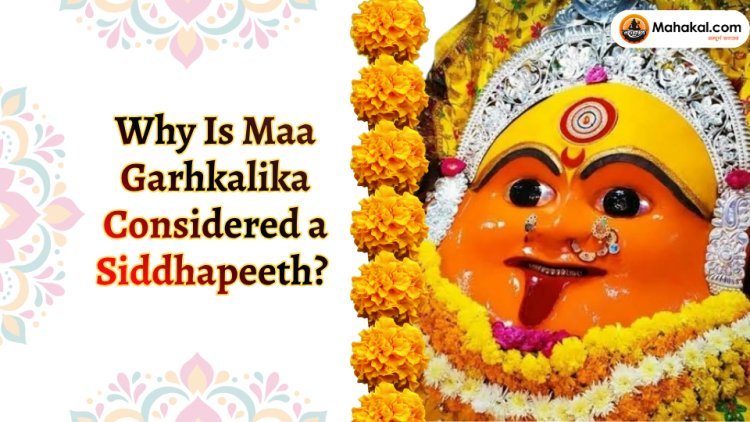
Ujjain, one of India's ancient sacred cities, is renowned not only for the Mahakaleshwar Jyotirlinga but also for its rich traditions of goddess worship, spiritual practice and religious heritage. Among its revered temples is the ancient shrine of Maa Garhkalika, dedicated to Goddess Kalika.
The temple holds a special place in the hearts of devotees because of its longstanding religious traditions and its legendary association with the great Sanskrit poet Mahakavi Kalidasa. It is an important destination for people interested in Hindu spirituality and the religious history of Ujjain.
But why is Maa Garhkalika considered a Siddhapeeth? What makes this temple spiritually significant, and which traditions have contributed to its reputation?
To understand its importance, it is helpful to explore the beliefs surrounding Goddess Kalika, the legend of Kalidasa and the temple's role in Ujjain's religious culture.
1. Why Is Maa Garhkalika Considered a Siddhapeeth?
In Hindu religious traditions, the term Siddhapeeth is commonly associated with sacred places believed to be important centres of worship, spiritual practice and devotion. Devotees visit such places seeking spiritual inspiration, inner strength and a deeper connection with the divine.
Maa Garhkalika's temple in Ujjain is revered because of its longstanding tradition of Goddess worship and its association with spiritual discipline.
Several beliefs contribute to its reputation:
-
Worship of Goddess Kalika: Devotees worship the goddess as a symbol of strength, courage and divine protection.
-
The legend of Mahakavi Kalidasa: According to popular tradition, Kalidasa received knowledge and poetic inspiration through the grace of Goddess Kalika.
-
Ancient religious heritage: The temple has long been associated with the devotional life of Ujjain.
-
Spiritual practices: Devotees visit the shrine for prayer and worship, particularly during festivals such as Navratri.
These traditions have helped establish Maa Garhkalika as an important spiritual destination.
It is also important to distinguish between a Siddhapeeth and a Shakti Peetha. Although these terms may overlap in some religious contexts, they do not always refer to the same classification. Garhkalika Temple's reputation as a Siddhapeeth is rooted in devotional traditions, while its inclusion in formal lists of Shakti Peethas is not consistent across all sources.
2. What Is the Connection Between Mahakavi Kalidasa and Maa Garhkalika?
One of the most widely known traditions associated with Garhkalika Temple concerns Mahakavi Kalidasa, one of the greatest literary figures in classical Sanskrit literature.
His celebrated works include Abhijnanashakuntalam, Meghaduta and Raghuvamsha.
According to a popular legend, Kalidasa was not initially known for exceptional scholarship. After experiencing humiliation and disappointment, he sought the blessings of the goddess through devotion and worship.
Tradition holds that Goddess Kalika blessed him with wisdom, intelligence and poetic talent, eventually transforming him into a celebrated poet.
Although this story remains an important part of the temple's religious identity, it should be understood as a traditional legend rather than a historically verified account of Kalidasa's life.
The Spiritual Meaning of the Kalidasa Legend
For devotees, the story conveys a powerful message: dedication, humility and persistent effort can help people recognise and develop their abilities.
The goddess is therefore associated not only with strength and protection but also with knowledge, creativity and personal transformation.
This connection makes the temple meaningful for devotees, students and admirers of classical Indian literature.
3. Mythological Beliefs Associated with Maa Garhkalika
Goddess Kalika is worshipped as a powerful manifestation of the Divine Mother. In Hindu traditions, Goddess Kali represents the destruction of ignorance, injustice and negative forces.
Her fierce appearance symbolises the courage required to confront difficulties and overcome inner weaknesses.
Devotees associate Maa Garhkalika with several spiritual aspirations:
Strength and courage: Worshippers seek the inner confidence to face difficult situations.
Wisdom and understanding: The goddess represents the movement from ignorance towards knowledge and discernment.
Freedom from fear: Devotees offer prayers for peace of mind, courage and emotional strength.
Spiritual discipline: The temple's devotional traditions make it significant for people interested in the worship of the Divine Mother.
These beliefs form part of the temple's devotional heritage. Individual spiritual experiences naturally vary from person to person.
4. Is Garhkalika Temple a Shakti Peetha?
This question deserves careful consideration because different sources sometimes describe Garhkalika Temple and Ujjain's Shakti Peethas differently.
According to Hindu mythology, Goddess Sati gave up her life during the sacrificial ceremony conducted by King Daksha. Lord Shiva carried her body while overcome with grief. In the traditional account, Lord Vishnu used his Sudarshana Chakra to separate the body, and the places associated with the fallen body parts or ornaments became sacred Shakti Peethas.
Different religious traditions preserve different lists of these sacred sites.
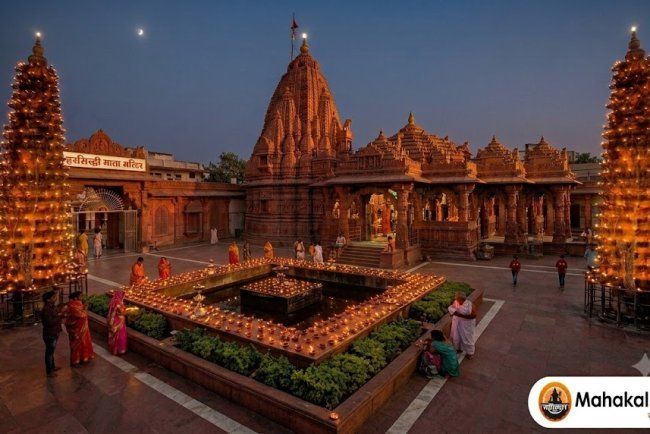
In Ujjain, Harsiddhi Mata Temple is widely recognised as a prominent Shakti Peetha. Garhkalika Temple, meanwhile, is especially known for its traditions of Goddess worship, its ancient religious significance and its association with Kalidasa. Sources do not consistently classify Garhkalika Temple as a formal Shakti Peetha.
Therefore, when describing Maa Garhkalika as a Siddhapeeth, it is best to explain the local devotional tradition rather than presenting every Shakti Peetha claim as universally accepted.
5. The Importance of Visiting Garhkalika Temple During Navratri
Navratri is one of the most important Hindu festivals dedicated to Goddess Durga and her various forms. During this period, temples across Ujjain experience an atmosphere of devotion and celebration.
Maa Garhkalika's temple also attracts devotees who come to offer prayers and seek the blessings of the goddess.
Depending on temple traditions and individual customs, devotees may offer flowers, a chunari, coconuts and other items of worship.
Beyond the rituals themselves, Navratri encourages devotees to practise self-discipline, devotion, reflection and positive resolve.
Anyone planning a visit during the festival should check the current temple arrangements and expected crowd conditions in advance.
6. The Spiritual Message of Worshipping Maa Kalika
The worship of Maa Kalika represents strength, transformation and the courage to overcome challenges.
Her spiritual symbolism offers several meaningful lessons:
-
Courage: Face difficult circumstances with determination.
-
Wisdom: Use discernment and understanding when making decisions.
-
Self-discipline: Develop greater control over thoughts, emotions and actions.
-
Devotion: Maintain faith while continuing to make sincere efforts.
-
Inner transformation: Recognise personal weaknesses and work towards positive change.
From this perspective, visiting Garhkalika Temple can be more than a religious activity. For many devotees, it is also an opportunity for reflection, renewed confidence and spiritual inspiration.
7. How to Offer Prayers at Garhkalika Temple
Devotees can visit Maa Garhkalika according to their convenience and the temple's established arrangements.
A few simple practices can make the visit more meaningful:
-
Maintain cleanliness and respect the sanctity of the temple.
-
Offer prayers with sincerity and a peaceful state of mind.
-
Check the temple's guidelines before bringing offerings or performing special rituals.
-
Follow the instructions of temple staff and priests.
-
During busy periods, be considerate of elderly visitors, children and other devotees.
There is no need to assume that one particular ritual is compulsory for every devotee. Worship can be performed according to personal faith and the temple's established traditions.
8. Garhkalika Temple in the Religious Heritage of Ujjain
Ujjain has been an important centre of religion, philosophy, literature and spiritual practice since ancient times. Its sacred landscape includes Mahakaleshwar, Harsiddhi Mata, Garhkalika and several other revered temples.
Garhkalika Temple holds a distinctive place in this heritage because its traditions connect goddess worship with the literary legacy of Mahakavi Kalidasa. The popular legend surrounding the poet gives the temple a special cultural and spiritual identity.
For visitors, the significance of the temple may come from family traditions, personal devotion, an interest in Hindu mythology or a desire to explore Ujjain's ancient religious culture.
Conclusion:
A Sacred Symbol of Faith, Strength and Knowledge
Maa Garhkalika Temple is one of Ujjain's revered ancient shrines dedicated to Goddess Kalika. Its reputation as a Siddhapeeth is closely associated with devotional traditions, spiritual practices and the celebrated legend of Mahakavi Kalidasa.
The temple's importance lies not only in its ancient heritage but also in the spiritual values it represents: courage in difficult times, the pursuit of knowledge and the determination to overcome personal challenges.
For anyone wishing to explore Ujjain's religious heritage, Garhkalika Temple offers an opportunity to learn about the city's enduring traditions of goddess worship and spiritual devotion.
Jai Maa Garhkalika!
What's Your Reaction?