Gadkalika Temple Ujjain — History, Mahakali Murti, Kalidasa Connection & Spiritual Significance
Explore the complete details of Gadkalika Temple Ujjain including its history, Maa Mahakali Murti, Kalidasa connection, Shakti Peetha significance, Navratri celebrations, timings, and spiritual importance through the Mahakal.com blog.
Gadkalika Temple Ujjain — History, Mahakali Murti, Kalidasa Connection & Spiritual Significance
Introduction
Situated in the sacred city of Ujjain, the revered Gadkalika Temple is one of the most spiritually powerful temples dedicated to Maa Mahakali. Also known as Mahakali Temple Ujjain, this ancient shrine is deeply associated with Shakti worship, tantra sadhana, divine protection, and spiritual awakening.
The temple is considered one of the eighteen sacred Shakti Peethas where the upper lip of Goddess Sati is believed to have fallen. Devotees from across India visit the temple seeking blessings for protection, wisdom, courage, academic success, and spiritual power.
The temple is also famous for its divine connection with the legendary Sanskrit poet Kalidasa, who is believed to have received extraordinary knowledge and poetic brilliance through the blessings of Maa Gadkalika.
Experience Sanatan Dharma at Your Space, Download the Mahakal.com App Today.
History of Gadkalika Temple Ujjain
The history of Gadkalika Temple dates back to ancient times and is believed to be connected with the era of the Mahabharata. The idol of Maa Kalika is said to belong to the Satyuga period, making the temple one of the oldest spiritual centers in India.
The temple was renovated during the 7th century by King Harshvardhan and later rebuilt under the patronage of the former Gwalior State. Located near the famous Bhartrihari Caves, around 5 km from Ujjain Railway Station, the temple continues to remain an important center of Shakti worship and tantric traditions.
The word “Gadh” means fort, while “Kalika” refers to the fierce and protective form of Goddess Kali. The temple’s fort-like structure gives it the name Gadkalika Temple.
Gadkalika Temple as a Shakti Peetha
According to Hindu mythology, when Goddess Sati immolated herself during Daksha’s yajna, Lord Shiva carried her body in grief across the universe. During this cosmic journey, different body parts of Sati fell at various locations, which later became the sacred Shakti Peethas.
It is believed that the upper lip of Goddess Sati fell at the site of Gadkalika Temple, making it one of the eighteen major Shakti Peethas of India.
This spiritual significance attracts thousands of devotees who visit the temple to seek Maa Mahakali’s blessings for protection, courage, removal of negativity, and spiritual growth.
Kalidasa’s Divine Transformation
One of the most fascinating legends associated with Gadkalika Temple is the story of Kalidasa.
According to popular belief, Kalidasa was initially an uneducated shepherd. Through intense devotion and prayers to Maa Kali at Gadkalika Temple, he was blessed with divine wisdom and transformed into one of the greatest Sanskrit poets and scholars in Indian history.
His famous literary masterpieces include :
- Meghaduta
- Abhijnanashakuntalam
- Raghuvamsha
Students, writers, artists, and scholars often visit the temple seeking blessings for intelligence, creativity, and success in education.
King Vikramaditya and Maa Mahakali
The temple is also associated with the legendary king Vikramaditya, who was believed to be a great devotee of Maa Kali. According to legends, King Vikramaditya regularly worshipped the goddess before important battles and royal decisions.
His devotion towards Maa Mahakali is said to have brought him prosperity, wisdom, and victory.
The Divine Murti of Maa Mahakali
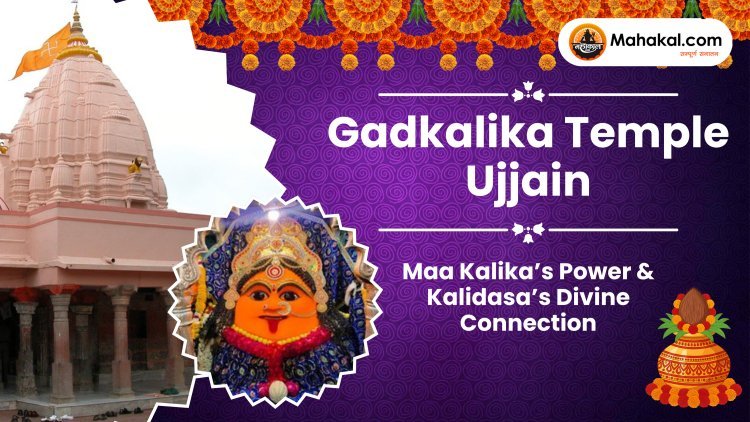
The murti of Maa Gad Mahakali is one of the most powerful attractions of the temple.
The goddess is depicted in a fierce yet divine form symbolizing :
- Protection from evil.
- Destruction of negativity.
- Justice and power.
- Spiritual awakening.
The murti is adorned with :
- Red sindoor.
- Lemon garlands.
- Weapons like trident and sword.
- Traditional ornaments and jewelry.
Her protruding tongue symbolizes the destruction of evil and illusion, while the skull ornaments represent the cycle of life and death.
The temple is considered highly significant for tantric sadhanas and spiritual practices.
Siddha Peetha and Spiritual Importance
Gadkalika Temple is regarded as a Siddha Peetha where spiritual seekers perform meditation, tantra sadhana, mantra chanting, and Devi worship for spiritual awakening and divine blessings.
Devotees visit the temple for:
- Protection from negative energies.
- Academic success.
- Courage and confidence.
- Spiritual growth.
- Removal of fear and obstacles.
- Tantra and Shakti worship.
Twin Divine Lamps of the Temple
One of the unique attractions of the temple is its twin Deep Stambhas (oil lamps). According to local beliefs, these lamps were once believed to illuminate automatically through divine energy during special occasions and festivals.
This mystical belief adds to the spiritual aura and mystery surrounding the temple.
Navratri Celebrations at Gadkalika Temple
The temple becomes especially vibrant during Navratri. Thousands of devotees gather to participate in :
- Maa Kali puja.
- Bhajans and kirtans.
- Deep daan.
- Special rituals and celebrations.
The atmosphere during Navratri is filled with devotion, spiritual energy, lights, and cultural celebrations.
Architecture of Gadkalika Temple
The architecture of Gadkalika Temple reflects classic Nagara-style Hindu temple design commonly found in North India.
Key architectural features include :
- Fort-like structure.
- Stone and lime-plastered walls.
- Intricate carvings and sculptures.
- Ornamental entrance.
- Sacred mandapa supported by carved pillars.
- Mystical dimly-lit sanctum.
The temple beautifully blends spirituality, ancient heritage, and traditional Indian temple craftsmanship.
Best Time to Visit Gadkalika Temple
The ideal time to visit :
- During Navratri festival.
- October to March.
- Morning and evening aarti hours.
How to Reach Gadkalika Temple
By Air
Nearest airport :
Devi Ahilya Bai Holkar Airport
By Rail
Nearest railway station :
Ujjain Junction railway station
By Road
Ujjain is well connected by road with Indore, Bhopal, Ahmedabad, and nearby cities.
Nearby Temples in Ujjain
- Mahakaleshwar Jyotirlinga
- Kal Bhairav Temple
- Harsiddhi Temple
- Mangalnath Temple
Conclusion
Gadkalika Temple Ujjain is not merely a temple but a divine center of Shakti, wisdom, tantra, and spiritual awakening. Its association with Maa Mahakali, Kalidasa, and King Vikramaditya makes it one of the most historically and spiritually important temples in India.
Whether you seek knowledge, spiritual power, protection, or divine blessings, visiting Gadkalika Temple offers a truly transformative spiritual experience.
- Gadkalika Temple Ujjain history and significance
- Maa Mahakali Temple in Ujjain
- Kalidasa connection with Gadkalika Temple
- Famous Shakti Peetha temple in Ujjain
- Gadkalika Mandir Ujjain timings and darshan
- Spiritual and ancient temples of Ujjain
What's Your Reaction?