Importance of Gangotri and Yamunotri Dham: Origin of the Sacred Rivers, Temple History and Complete Travel Guide
Discover the religious significance of Gangotri and Yamunotri Dham, the legends of Goddess Ganga and Yamuna, temple history, sacred attractions, travel routes, the best time to visit and important pilgrimage tips.
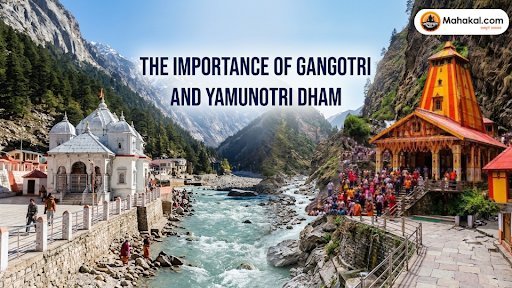
What Is the Religious Significance of Gangotri and Yamunotri Dham?
In India's religious and spiritual traditions, the rivers Ganga and Yamuna are not considered merely water bodies. They are revered as sacred mother figures and hold an important place in Hindu culture, pilgrimage traditions and everyday life.
Located in the Himalayan region of Uttarakhand, Gangotri and Yamunotri Dham are two of the most significant pilgrimage destinations dedicated to these sacred rivers.
Gangotri Dham is dedicated to Goddess Ganga, while Yamunotri Dham is dedicated to Goddess Yamuna. Both temples are important stops on Uttarakhand's Char Dham Yatra, which includes Yamunotri, Gangotri, Kedarnath and Badrinath.
Surrounded by high Himalayan peaks, snow-covered mountains, natural springs and beautiful valleys, these sacred destinations offer devotees an experience that combines religious faith with the natural beauty of the Himalayas.
Importance of Gangotri Dham and the Story of Goddess Ganga's Descent
Gangotri is a famous pilgrimage destination dedicated to Goddess Ganga in Uttarkashi district of Uttarakhand. According to Hindu mythology, Goddess Ganga originally resided in the heavenly realms and descended to Earth following the intense penance of King Bhagiratha.
According to the legend, the sixty thousand sons of King Sagara could not attain liberation because of a curse associated with Sage Kapila. Their descendant, King Bhagiratha, decided to bring Goddess Ganga to Earth so that his ancestors could attain salvation.
He performed severe penance for a long time, and Goddess Ganga eventually agreed to descend to Earth. However, the force of her powerful waters was so immense that the Earth could not withstand it.
Lord Shiva then agreed to receive the river in his matted locks and release her gradually in a controlled flow. For this reason, Lord Shiva is also known as Gangadhara, meaning the one who holds Ganga.
According to the legend, the sacred waters of Ganga helped bring liberation to King Bhagiratha's ancestors.
This story is one of the reasons why Goddess Ganga is revered as a river associated with spiritual purification and liberation.
Where Does the River Ganga Actually Originate?
Many people consider the Gangotri Temple to be the actual source of the River Ganga. However, geographically, the river's source is associated with the Gaumukh Glacier, which forms part of the Gangotri Glacier.
Gaumukh is located approximately 19 kilometres from Gangotri and can be reached through a mountain trekking route.
The river emerging from this glacier is initially known as the Bhagirathi. It later meets the Alaknanda River at Devprayag. From this sacred confluence onwards, the combined river is known as the Ganga.
Reaching Gaumukh requires a mountain trek. Visitors must follow the applicable forest department permissions, local regulations and weather-related instructions.
History of Gangotri Temple
Gangotri Temple is one of the most important religious sites in Uttarakhand. It is situated in the Himalayan region at an altitude of approximately 3,100 to 3,415 metres above sea level. Different official tourism sources provide slightly varying altitude figures.
The construction of the temple is generally attributed to Gorkha commander Amar Singh Thapa. Historical accounts also mention later renovation work associated with the rulers of Jaipur.
Built with white stone, the temple stands near the Bhagirathi River and is surrounded by the beautiful Himalayan landscape.
The temple is dedicated to Goddess Ganga, and devotees visit it to offer prayers and seek blessings for peace, prosperity and well-being.
Bhagirath Shila, located near the temple, is another important religious attraction. According to tradition, King Bhagiratha performed penance at this sacred spot to bring Goddess Ganga to Earth.
Major Places to Visit in Gangotri Dham
1. Gangotri Temple: The main attraction of Gangotri Dham is the temple dedicated to Goddess Ganga. Devotees visit the shrine to offer prayers and seek the blessings of the sacred river goddess.
2. Bhagirath Shila: This sacred rock is associated with the legend of King Bhagiratha's penance. Pilgrims visit the site to offer prayers and remember the story of Ganga's descent.
3. Bhagirathi River: Flowing near the temple, the Bhagirathi River holds great religious significance. Devotees offer prayers and express their reverence for its sacred waters.
4. Gaumukh Glacier: Gaumukh is a major natural site associated with the source of the River Ganga. Reaching it requires a challenging mountain trek.
Religious Significance of Yamunotri Dham and the Story of Goddess Yamuna
Yamunotri Dham is located in Uttarkashi district of Uttarakhand and is dedicated to Goddess Yamuna. It is traditionally regarded as the first destination of the Char Dham Yatra.
According to Hindu mythology, Goddess Yamuna is the daughter of Lord Surya, the Sun God, and the sister of Yama, the God of Death. She is also known by the name Yami.
Religious traditions describe the deep affection between Yamuna and her brother Yama. It is believed that devotees who worship Goddess Yamuna with faith receive her blessings and pray for protection, peace and well-being.
The festival of Bhai Dooj is also associated with the traditional story of Yama and Yamuna. On this occasion, sisters pray for the happiness, prosperity and long life of their brothers.
Goddess Yamuna is revered as a symbol of purity, affection, compassion and the life-giving power of nature.
Where Does the River Yamuna Actually Originate?
The River Yamuna originates in the Himalayan region of Uttarakhand, near the Yamunotri Glacier and the Champasar Glacier area in the Bandarpunch mountain region.
The source region lies at a high altitude in the Himalayas. Yamunotri Temple is an important pilgrimage destination located close to this sacred river's source region.
From its Himalayan origin, the Yamuna flows through several regions before reaching the northern Indian plains.
The river has immense religious and cultural importance. Historic cities such as Mathura, Vrindavan and Agra are also closely associated with the River Yamuna.
History of Yamunotri Temple
Yamunotri Temple is an important pilgrimage shrine dedicated to Goddess Yamuna. The construction of the present temple is traditionally attributed to Maharaja Pratap Shah of Tehri Garhwal.
Due to natural disasters and the harsh Himalayan climate, the temple has suffered damage over time and has undergone reconstruction.
The shrine houses an idol of Goddess Yamuna. Devotees visit the temple to seek blessings for happiness, prosperity and the well-being of their families.
Natural hot water springs located around the temple are among the distinctive attractions of Yamunotri.
Major Attractions in Yamunotri Dham
1. Yamunotri Temple: The main religious attraction of the region is the temple dedicated to Goddess Yamuna. Devotees visit the shrine to offer prayers and seek blessings.
2. Surya Kund: This is a natural hot water spring near the temple. Traditionally, devotees place rice or potatoes in a cloth pouch and cook them in the hot water. The prepared offering is then presented to the Goddess as Prasad.
3. Divya Shila: Located near Surya Kund, this sacred rock is worshipped by devotees before entering the main temple.
4. Janki Chatti: This is an important stop on the Yamunotri pilgrimage route and the usual starting point for the trek to the temple. Visitors must walk uphill along a mountain path to reach the shrine.
5. Kharsali Village: Located near Yamunotri, this Himalayan village is known for its traditional culture and scenic surroundings. It is also associated with winter worship traditions connected with Goddess Yamuna.
What Is the Role of Gangotri and Yamunotri in the Char Dham Yatra?
Uttarakhand's Char Dham Yatra includes four major pilgrimage destinations:
-
Yamunotri: Dedicated to Goddess Yamuna.
-
Gangotri: Dedicated to Goddess Ganga.
-
Kedarnath: Dedicated to Lord Shiva and counted among the twelve Jyotirlingas.
-
Badrinath: Dedicated to Lord Vishnu.
The traditional pilgrimage sequence begins at Yamunotri, continues to Gangotri, then proceeds to Kedarnath and finally Badrinath. This route is traditionally associated with a clockwise pilgrimage sequence.
The journey is not limited to visiting temples. It is also a spiritual experience that requires devotion, patience and discipline while travelling through the challenging Himalayan landscape.
Best Time to Visit Gangotri and Yamunotri Dham
The temples of Gangotri and Yamunotri generally open during summer, around April or May, and close before or during the beginning of winter, usually around October or November. The exact opening and closing dates are announced each year according to the religious calendar and temple traditions.
General Travel Seasons:
-
April to June: The weather is comparatively pleasant, although these months can attract large numbers of pilgrims.
-
July to August: Heavy rainfall, landslides and road disruptions can affect travel during the monsoon. Always check weather and road conditions before starting the journey.
-
September to October: Conditions may become favourable after the monsoon, but temperatures begin to fall and the pilgrimage season may be nearing its end.
Before planning your visit, check the official temple opening dates, weather forecasts and current government travel advisories.
How to Reach Gangotri and Yamunotri Dham
Both pilgrimage destinations are located in the Himalayan region of Uttarkashi district. Haridwar, Rishikesh and Dehradun are major access points for travellers.
By Air: Jolly Grant Airport in Dehradun is a major airport serving this region. From there, visitors can continue their journey by taxi or bus.
By Train: Haridwar, Rishikesh and Dehradun are important railway stations. Road transport is available from these locations for the onward journey.
By Road: Gangotri can be reached by road through Uttarkashi from Haridwar, Rishikesh and Dehradun. For Yamunotri, the usual route passes through the Barkot region towards Janki Chatti.
Trek to Yamunotri: Visitors generally begin the uphill trek from Janki Chatti to Yamunotri Temple. The distance and travel time may vary depending on the route and local conditions. Depending on their fitness and available facilities, pilgrims may walk or use permitted pony and palanquin services.
Gangotri to Gaumukh: Gangotri Temple is accessible by road, but reaching Gaumukh requires a separate trek. Visitors must follow the applicable permission requirements and local regulations.
Important Safety Tips for the Gangotri and Yamunotri Pilgrimage
Weather conditions can change quickly in the Himalayas. Therefore, pilgrims should take proper precautions during the journey.
-
Check your health and physical fitness before travelling.
-
Carry warm clothing, a raincoat and comfortable trekking shoes.
-
Keep essential medicines and a basic first-aid kit with you.
-
If you experience breathing difficulty, dizziness or extreme fatigue at high altitude, stop and seek assistance.
-
Avoid rushing on steep mountain paths.
-
Do not travel during severe weather or when authorities issue warnings.
-
Exercise caution near rivers and hot water springs.
-
Do not throw plastic or waste in the natural surroundings.
-
Check the official registration portal and current travel guidelines before departure.
Spiritual Message of Visiting Gangotri and Yamunotri Dham
The pilgrimage to Gangotri and Yamunotri offers an opportunity to experience the relationship between faith, nature and life.
Goddess Ganga is revered as a symbol of purity and spiritual liberation, while Goddess Yamuna is associated with affection, compassion and the continuity of life.
For centuries, these rivers have supported Indian civilisation and culture. Many sacred places, historic towns and cultural traditions have developed along their banks.
The pilgrimage also reminds us that rivers are not only objects of religious faith but essential sources of life. Protecting their cleanliness and preserving their natural surroundings is therefore an important responsibility.
Conclusion
Gangotri and Yamunotri Dham are important centres of India's spiritual heritage and religious traditions. Gangotri is associated with the legendary descent of Goddess Ganga to Earth, while Yamunotri is dedicated to Goddess Yamuna and is located near the sacred Himalayan source region of the river.
Their importance extends beyond temple visits. Their mythological stories, Himalayan landscapes, ancient traditions and sacred rivers offer pilgrims a meaningful spiritual experience.
If you are planning a Char Dham Yatra in Uttarakhand, consider including both Gangotri and Yamunotri in your pilgrimage. Travel responsibly, respect the local environment and make a commitment to protecting the purity of these sacred rivers.
What's Your Reaction?