Importance of Kumkum in Hindu Worship and the Right Way to Apply Tilak: Know Its Religious Significance and Traditions
Discover the religious significance of Kumkum in Hindu worship, the correct way to apply Kumkum Tilak, traditional rules, spiritual beliefs and its importance in Goddess worship.
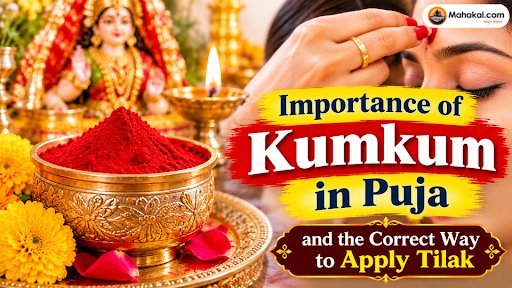
What Is the Importance of Kumkum in Hindu Worship?
In Hinduism, every item used during worship has its own religious and spiritual significance. Just like flowers, lamps, sandalwood paste, incense and sacred rice grains, Kumkum is also an important part of traditional Hindu rituals.
Kumkum is a red-coloured sacred powder associated with auspiciousness, divine energy, strength and prosperity.
It is traditionally used for worshipping deities, applying Tilak on the forehead and performing religious ceremonies. Kumkum holds particular importance in the worship of Goddess Durga, Goddess Lakshmi and other forms of the Divine Mother.
According to religious beliefs, applying Kumkum represents positivity, devotion and good fortune. This is why devotees often receive Kumkum Tilak as Prasad after visiting temples.
What Is Kumkum and How Is It Made?
Kumkum is a traditional red-coloured powder that has been used in Hindu religious practices for centuries.
Traditionally, Kumkum is prepared by processing turmeric through a special method. However, not every commercially available Kumkum product is made using this traditional process. Some products may contain additional colours and other ingredients.
For religious use, it is preferable to choose good-quality Kumkum made from skin-friendly ingredients.
The red colour of Kumkum is traditionally associated with divine energy, strength, love and auspiciousness.
Religious Significance of Red Kumkum in Hinduism
Red holds a special place in Hindu religious traditions. It is associated with power, courage, energy and good fortune.
1. Symbol of Divine Power: Red Kumkum represents the divine feminine energy known as Shakti. It is commonly used in the worship of Goddess Durga, Kali and Lakshmi.
2. Symbol of Good Fortune: In Hindu traditions, married women apply Sindoor in their hair parting and Kumkum on their foreheads. These practices are associated with marital well-being and prosperity.
3. Symbol of Auspiciousness: Applying Kumkum Tilak is a traditional practice during religious ceremonies and auspicious beginnings.
4. Symbol of Respect and Blessings: Kumkum Tilak is applied to the forehead during welcoming ceremonies, religious gatherings and special occasions as a gesture of respect and blessings.
Spiritual Significance of Applying Kumkum Tilak on the Forehead
Applying Tilak on the forehead is an ancient Hindu tradition. The area between the eyebrows is traditionally associated with the Ajna Chakra, which holds special importance in spiritual practices.
According to spiritual beliefs, applying Tilak at this location represents concentration, inner awareness and positive thoughts.
Kumkum Tilak also symbolizes a person's connection with religious traditions and spiritual values.
The practice of applying Kumkum after visiting a temple reflects devotion and the acceptance of divine blessings.
What Is the Correct Way to Apply Kumkum Tilak?
Applying Kumkum Tilak does not require a complicated procedure. It can be done with devotion, cleanliness and respect for religious traditions.
Step-by-Step Tilak Application Method:
-
Take a bath and wear clean clothes before beginning your worship.
-
Clean the prayer area and light a lamp before the deity.
-
Keep Kumkum in a clean small bowl.
-
Offer Kumkum to the deity during worship.
-
According to your family tradition, use the ring finger to apply Tilak on your forehead.
-
Remember God while applying the Tilak and maintain a devotional mindset.
-
Finally, join your hands and pray for peace, happiness and prosperity in your family.
Remember that Tilak practices may differ depending on the deity, religious sect and family traditions.
Which Finger Should Be Used to Apply Tilak?
In Hindu traditions, different beliefs are associated with the use of fingers while applying Tilak.
-
Ring Finger: Commonly used for applying Tilak during regular worship.
-
Thumb: Used in certain traditional worship practices.
-
Middle Finger: Associated with specific Tilak rituals in some traditions.
-
Index Finger: Generally avoided for applying ordinary auspicious Tilak in many traditions.
These practices are based on religious customs and may vary across different Hindu traditions.
Why Is Kumkum Offered to Hindu Gods and Goddesses?
Offering Kumkum during Hindu worship is a traditional expression of devotion, respect and reverence towards the divine.
It holds particular importance in the worship of Hindu goddesses.
Goddess Durga: Offering Kumkum to Goddess Durga symbolizes devotion to divine power and prayers for strength and victory.
Goddess Lakshmi: Kumkum is offered during Lakshmi Puja as a symbol of prayers for wealth, prosperity and good fortune.
Lord Ganesha: In many traditions, red Kumkum or Sindoor is offered to Lord Ganesha during worship.
Lord Vishnu: Sandalwood paste and Gopi Chandan are especially important in the worship of Lord Vishnu, although other Tilak materials may be used according to regional traditions.
Difference Between Kumkum Tilak and Sandalwood Tilak
Both Kumkum and sandalwood paste are important materials in Hindu worship, but they have different symbolic meanings and traditional uses.
| Kumkum Tilak | Sandalwood Tilak |
|---|---|
| Usually red in colour. | Usually pale yellow or white. |
| Symbolizes divine power and good fortune. | Symbolizes peace, purity and cooling energy. |
| Especially used in Goddess worship. | Commonly used in the worship of Lord Vishnu and other deities. |
| Applied during auspicious occasions. | Used in daily worship and religious ceremonies. |
Religious Rules and Precautions While Applying Kumkum
While using Kumkum, cleanliness and respect for religious practices should always be maintained.
Things to Do:
-
Use clean and good-quality Kumkum.
-
Keep it in a clean bowl during worship.
-
Offer it to deities with devotion.
-
Remember God while applying Tilak.
-
Follow your family and religious traditions.
Things to Avoid:
-
Do not use Kumkum with unclean hands.
-
Avoid applying it around the eyes.
-
Stop using it if it causes skin irritation or an allergic reaction.
-
Do not assume that every chemically coloured powder is traditional natural Kumkum.
-
Respect the religious practices of others.
Can You Apply Kumkum Tilak Every Day?
Yes. According to Hindu religious traditions, devotees may apply Kumkum Tilak every day after bathing and completing their morning prayers.
Many people apply Tilak before leaving home in the morning. It is also commonly received as Prasad after visiting temples.
However, the colour and style of Tilak depend on individual faith, religious traditions and personal preferences.
Conclusion
The importance of Kumkum in Hindu worship goes beyond its use as a simple religious material. It symbolizes divine power, good fortune, devotion, respect and auspiciousness.
Applying Kumkum Tilak on the forehead is an ancient Indian tradition that connects people with their spiritual beliefs and cultural values.
Whether it is the worship of Goddess Durga, Goddess Lakshmi or the beginning of an auspicious ceremony, Kumkum holds a special place in Hindu rituals.
The next time you use Kumkum during worship, understand its traditional significance and apply it with devotion and respect.
What's Your Reaction?