Mystery and Ancient History of Chaubis Khamba Mata Temple in Ujjain: Discover the Glory of Mahamaya and Mahalaya Devi
Explore the ancient history of Chaubis Khamba Mata Temple in Ujjain, the mystery of its 24 pillars, Mahamaya and Mahalaya Devi, King Vikramaditya legends and the unique Nagar Puja tradition.
What Is Chaubis Khamba Mata Temple in Ujjain?
Ujjain is one of India's most ancient and spiritually significant cities. Along with the famous Mahakaleshwar Jyotirlinga, the city is home to several ancient temples and religious monuments that reflect its rich cultural heritage.
One such remarkable place is Chaubis Khamba Mata Temple.
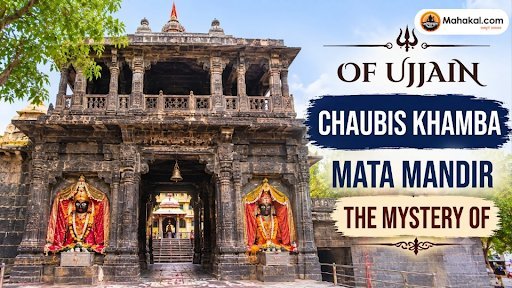
The temple is famous for its 24 beautifully designed pillars and the presence of two revered goddesses, Mahamaya Devi and Mahalaya Devi. It is not only a centre of goddess worship but also an important part of Ujjain's historical architecture and religious traditions.
According to local religious beliefs, Mahamaya and Mahalaya Devi are regarded as the guardian goddesses of Ujjain. This gives the temple a special place in the spiritual identity of the city.
Why Is It Called Chaubis Khamba? The Mystery of 24 Pillars
The most distinctive feature of this ancient structure is its 24 ornate pillars. The name Chaubis Khamba literally means twenty-four pillars.
According to the Ujjain District Administration, the architectural design of these decorated pillars dates back to the ninth or tenth century CE.
In ancient Indian architecture, pillars were not simply used to support roofs. They also represented the artistic traditions, craftsmanship and architectural knowledge of that period.
The pillars of Chaubis Khamba reflect this rich architectural heritage.
Although there is no established historical evidence explaining a specific spiritual calculation behind the number 24, the distinctive arrangement of these pillars remains the most recognizable feature of the monument.
Who Are Mahamaya and Mahalaya Devi?
Images of Mahamaya Devi and Mahalaya Devi are installed on either side of the ancient entrance.
Both goddesses are worshipped as protective divine powers associated with Ujjain.
Mahamaya Devi: Mahamaya is regarded as a manifestation of Goddess Shakti. In Hindu traditions, she represents the divine power that governs and sustains the universe.
Mahalaya Devi: Mahalaya Devi is also worshipped as a guardian goddess of Ujjain. She holds an important place in the local religious traditions of the city.
According to local beliefs, these goddesses were worshipped for the protection and well-being of the ancient city.
The presence of both goddesses at the entrance makes this temple different from many other Devi temples in Ujjain.
Was Chaubis Khamba an Ancient Gateway of Ujjain?
One of the most interesting historical aspects of Chaubis Khamba is its connection with the ancient city entrance and the old Mahakal religious complex.
Some historical studies describe the Chaubis Khamba structure as a possible gateway associated with the outer enclosure of the medieval Mahakal temple complex or the historic entrance area of Ujjain.
In ancient cities, gateways played an important role in security, movement and religious activities.
Historical material related to India's cultural heritage also refers to Chaubis Khamba as a grand entrance associated with Mahakalavana.
This suggests that Chaubis Khamba is not merely a place of worship but also an important part of Ujjain's historical urban and architectural heritage.
King Vikramaditya and the Beliefs Associated with Chaubis Khamba Mata Temple
Whenever Ujjain's history is discussed, the name of Emperor Vikramaditya is often remembered.
In local religious stories, King Vikramaditya is described as a devoted worshipper of the Goddess who sought divine blessings for the protection of Ujjain.
According to local traditions, he worshipped Mahamaya Devi and Mahalaya Devi. Some traditional stories also connect him with the beginning of the city's Nagar Puja.
However, there is no conclusive historical evidence establishing that King Vikramaditya built the present structure or founded the temple. These accounts should therefore be understood as traditional religious beliefs rather than confirmed historical facts.
The Most Unique Tradition: Ujjain's Nagar Puja
One of the most remarkable religious traditions associated with Chaubis Khamba is Ujjain's famous Nagar Puja, or city worship.
The Nagar Puja begins at this temple on Maha Ashtami during Sharad Navratri.
According to the tradition, the District Collector and administrative officials perform worship of Mahamaya Devi and Mahalaya Devi.
After the initial rituals, a group proceeds to different temples dedicated to goddesses and Bhairav across Ujjain. Traditional offerings and worship are performed at these religious sites.
An offering of liquor is also part of this particular local religious tradition. It reflects certain distinctive aspects of Shakti worship and the Tantric traditions associated with Ujjain.
The main religious purpose of Nagar Puja is to pray for the safety, peace, prosperity and well-being of the entire city.
This unique tradition gives Chaubis Khamba Mata Temple a special place in Ujjain's religious heritage.
Importance of Chaubis Khamba Mata Temple During Navratri
During Navratri, several Devi temples across Ujjain become centres of special worship and devotion. Chaubis Khamba Mata Temple also receives attention from devotees during this period.
The temple becomes especially significant on Maha Ashtami because of the traditional Nagar Puja ceremony.
Devotees seek the blessings of Mahamaya Devi and Mahalaya Devi and pray for the happiness, protection and prosperity of their families and the city.
For visitors coming to Ujjain during Navratri, this temple provides an opportunity to experience the city's distinctive traditions of goddess worship.
Where Is Chaubis Khamba Mata Temple Located?
Chaubis Khamba Mata Temple is situated in the old city area of Ujjain, Madhya Pradesh.
It is located near the famous Mahakaleshwar Temple, along the route towards Patni Bazaar.
Devotees visiting Mahakaleshwar Jyotirlinga can also easily include this ancient temple in their pilgrimage.
Temple Location Details:
-
City: Ujjain, Madhya Pradesh, India
-
Nearby Landmark: Mahakaleshwar Temple
-
Route: Towards Patni Bazaar
-
Main Deities: Mahamaya Devi and Mahalaya Devi
-
Special Occasion: Maha Ashtami during Sharad Navratri and Nagar Puja
Things to Remember While Visiting the Temple
-
Maintain cleanliness and respect the religious atmosphere.
-
Do not write on, climb on or damage the ancient pillars.
-
Follow the temple's instructions and local worship traditions.
-
Plan your visit carefully during Navratri and special religious events.
-
Respect the ancient architecture and images of the goddesses.
Conclusion
Chaubis Khamba Mata Temple in Ujjain is much more than an ancient structure supported by 24 pillars. It represents the historical heritage, Shakti worship and religious traditions of the ancient city of Avantika.
The presence of Mahamaya Devi and Mahalaya Devi, the distinctive architectural design and the traditional Nagar Puja make this temple an important part of Ujjain's spiritual identity.
Visitors experience not only the blessings of the goddesses but also an opportunity to understand the ancient religious and cultural traditions of the city.
If you ever visit Ujjain for the darshan of Mahakaleshwar Jyotirlinga, make sure to visit Chaubis Khamba Mata Temple as well. It offers a glimpse into a fascinating heritage where history, faith and tradition come together.
What's Your Reaction?