Why Do Devotees Offer Lamps at the Sacred Shipra River in Ujjain During Kartik Month? Discover Its Religious Significance, Ancient Beliefs and Spiritual Meaning!
Discover the religious significance of Deepdaan at the sacred Shipra River in Ujjain during Kartik month, its spiritual beliefs, Ram Ghat traditions, the proper method of offering lamps, and the importance of Kartik Purnima.
Why Is Deepdaan at the Shipra River Special During Kartik Month?
Kartik month holds a special place in Hindu religious traditions. It is widely associated with devotion, spiritual discipline, charity, sacred bathing, prayers, and the lighting of lamps. During this auspicious period, devotees visit temples, sacred rivers, and pilgrimage destinations to express their faith and participate in traditional religious activities.
Among India's important pilgrimage destinations, Ujjain in Madhya Pradesh has a distinctive spiritual identity. Known as the city of Mahakal, Ujjain is home to the revered Mahakaleshwar Jyotirlinga and the sacred Shipra River. The river has been closely associated with the city's religious life for centuries, serving as a place for ritual bathing, prayers, religious ceremonies, and pilgrimage gatherings.
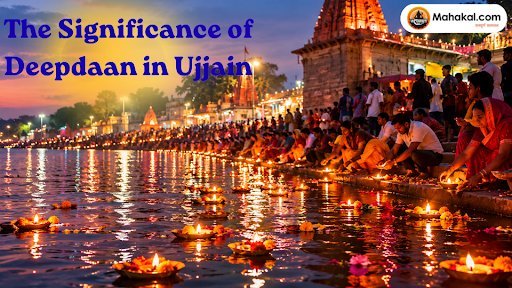
During Kartik month, devotees visit the banks of the Shipra River to offer lamps, particularly at well-known ghats such as Ram Ghat. As evening approaches, the sight of illuminated lamps, the sound of prayers, and the reflections of light on the water create an atmosphere of devotion and tranquillity.
But why do devotees consider Deepdaan so meaningful during Kartik month? What is the religious significance of offering lamps at the Shipra River? How are Kartik Purnima and the ancient spiritual traditions of Ujjain connected with this practice?
Let us explore the religious beliefs, cultural traditions, spiritual symbolism, and practical aspects of Deepdaan at the sacred Shipra River.
1. What Is Kartik Month, and Why Is It Considered Auspicious?
Kartik is one of the significant months in the traditional Hindu lunar calendar. Depending on the regional calendar and religious tradition followed, it generally falls around October and November.
The month is associated with the worship of Lord Vishnu, Lord Shiva, Goddess Lakshmi, and Tulsi. Important observances during this period include Kartik Snan, lamp offerings, Ekadashi fasts, Tulsi Vivah, and Kartik Purnima.
Many Hindu traditions consider Kartik month especially suitable for prayer, meditation, charity, self-discipline, and spiritual reflection. Devotees often make efforts to follow a more disciplined daily routine and devote additional time to religious practices.
The lighting of lamps is an important feature of Kartik observances. Lamps are placed in homes, temples, courtyards, and sacred spaces as symbols of knowledge, hope, devotion, and the victory of light over darkness.
Within this religious framework, offering lamps at the Shipra River is not simply a ceremonial activity. It is also an expression of gratitude, faith, and the desire to lead a more meaningful and spiritually conscious life.
2. The Religious Significance of the Shipra River in Ujjain
The Shipra River is one of the important sacred rivers of Madhya Pradesh and is deeply connected with Ujjain's religious identity.
Ujjain, historically known as Avantika, has long been recognised as an important centre of Hindu pilgrimage, religious learning, astronomy, and cultural traditions. The Shipra River forms an integral part of this heritage.
Devotees consider the river sacred and visit its banks for ritual bathing, prayer, offerings, and other religious observances. Its ghats become particularly significant during religious festivals and major pilgrimage gatherings.
Ram Ghat is among the best-known bathing and worship locations along the Shipra River. It attracts devotees who come to perform rituals, offer prayers, and experience the spiritual atmosphere of the ancient pilgrimage city.
For many worshippers, the river represents more than a place for bathing. It is a symbol of purity, faith, remembrance, and spiritual renewal.
During Kartik month, devotees may offer lamps at the riverbank while praying for peace, wisdom, family well-being, and spiritual progress. Others participate to honour their family traditions or to express gratitude to the divine.
These practices are rooted in religious faith and cultural heritage. Their spiritual significance is best understood as an expression of devotion rather than as a guarantee of a particular material outcome.
3. Why Do Devotees Offer Lamps at the Shipra River During Kartik Month?
Deepdaan, meaning the offering of a lighted lamp, is associated with devotion, charity, purity, and the symbolic importance of light in Hindu traditions.
At the Shipra River, the practice brings together the religious significance of Kartik month and Ujjain's longstanding pilgrimage culture.
3.1 An Expression of Devotion to God
Lighting a lamp is a traditional way of expressing reverence for the divine. The flame represents sacred light and reminds devotees of the importance of faith, gratitude, and devotion.
When devotees offer lamps at the Shipra River, they may pray for peace in their families, clarity in their decisions, and the strength to follow the path of righteousness.
The ritual also provides an opportunity to pause, reflect, and reconnect with one's spiritual beliefs.
3.2 A Symbol of Inner Purification
In Hindu religious symbolism, water is often associated with purity, while a lamp represents illumination.
Offering a lamp beside a sacred river can therefore represent a personal commitment to improving one's thoughts, learning from past mistakes, and adopting more positive habits.
This idea of purification is primarily spiritual and symbolic. It should not be confused with a scientifically established physical cleansing process or a guarantee that every difficulty will disappear.
3.3 Worship of Lord Vishnu
Kartik month is particularly important in many Vaishnava traditions, which emphasise devotion to Lord Vishnu and his various forms.
Prayer, fasting, charity, and the lighting of lamps are among the practices associated with Kartik observances in different communities.
Devotees may offer a lamp while remembering Lord Vishnu and praying for wisdom, harmony, and the well-being of all family members.
3.4 Devotion to Lord Shiva in the City of Mahakal
Ujjain is renowned for the Mahakaleshwar Jyotirlinga, one of the twelve traditionally recognised Jyotirlingas of Lord Shiva.
For many pilgrims, a visit to Mahakaleshwar is accompanied by time spent at the Shipra River. The temple and the river together form an important part of Ujjain's religious experience.
During Kartik month, devotees may pray to Lord Shiva for courage, peace of mind, spiritual strength, and guidance in life.
Deepdaan at the Shipra River should not, however, be understood as belonging exclusively to one form of worship. It reflects a broader range of Hindu devotional traditions in which light, prayer, and sacred offerings hold important symbolic meaning.
3.5 Charity, Compassion, and Service
The deeper meaning of Deepdaan can extend beyond the physical act of lighting a lamp.
In a broader spiritual sense, bringing light into the world also means helping others, supporting people in need, showing compassion, and protecting nature.
During Kartik month, devotees can combine their religious observances with food donations, assistance to disadvantaged families, care for animals, or participation in river-cleaning initiatives.
These actions reflect the values of compassion and service that are central to many Hindu ethical teachings.
4. Ram Ghat in Ujjain: An Important Centre of Religious Tradition
Ram Ghat is one of Ujjain's most prominent religious locations along the Shipra River. It is known for ritual bathing, prayers, religious gatherings, and traditional ceremonies.
The ghat holds a special place in the city's pilgrimage culture. Devotees gather here during important festivals and auspicious occasions to participate in worship and express their faith.
During Kartik month, visitors may come to Ram Ghat to offer lamps, pray, or simply spend time in the peaceful surroundings of the sacred river.
Common intentions behind Deepdaan include:
-
Expressing devotion and gratitude to the divine.
-
Praying for family harmony, happiness, and well-being.
-
Seeking wisdom, patience, and spiritual growth.
-
Preserving traditional religious practices.
-
Expressing respect for the Shipra River and its cultural importance.
When many lamps are illuminated along the riverbank, the scene becomes a beautiful representation of collective faith and cultural continuity.
Visitors should remember that arrangements and restrictions may vary according to the date, crowd conditions, and local administrative instructions. Lamps should be offered only in designated areas and in accordance with the rules applicable at the ghat.
5. The Spiritual Symbolism of a Lamp
The lamp is one of the most familiar symbols in Hindu worship. It is lit during daily prayers, temple rituals, aarti ceremonies, and major festivals.
Its significance extends beyond the physical flame.
Light and knowledge: A lamp illuminates a dark space. Spiritually, it symbolises knowledge, understanding, and the ability to distinguish between right and wrong.
Hope and positivity: A small flame can make darkness less intimidating. In a similar way, hope and determination can help people face difficult situations.
Devotion and gratitude: Lighting a lamp during worship expresses reverence for the divine and gratitude for the blessings of life.
Self-reflection: The ritual can encourage individuals to examine their thoughts, behaviour, and personal goals.
Community and shared faith: When devotees offer lamps together, they participate in a shared cultural and religious experience that connects individuals with their community.
These meanings help explain why Deepdaan remains an important tradition in many Hindu pilgrimage destinations, including Ujjain.
6. What Is the Best Time for Deepdaan During Kartik Month?
Deepdaan is commonly performed in the morning or evening, depending on family traditions, the occasion, and local religious practices.
Morning Rituals
Many devotees observe Kartik Snan during the early morning hours. They may bathe in a sacred river, where permitted and safe, and then perform prayers or other religious observances.
The quiet atmosphere of the morning provides an opportunity for reflection, prayer, and spiritual discipline.
Evening Deepdaan
Evening is a popular time for offering lamps because their light becomes particularly visible after sunset.
At the Shipra River, devotees may gather at the ghats to light lamps, offer prayers, and participate in religious activities. The schedule of aarti ceremonies and other events can vary by date and location.
Visitors should confirm local timings rather than assume that every ghat follows the same schedule.
Kartik Purnima
Kartik Purnima, the full-moon day associated with the conclusion of Kartik month in many traditions, is an important occasion for bathing, charity, worship, and lamp offerings.
The celebration of Dev Deepawali is particularly famous in Varanasi, although Kartik Purnima is observed in many other parts of India as well.
Ujjain also has religious activities associated with this period, but local programmes may differ from those in other pilgrimage cities.
If you plan to visit Ujjain for Deepdaan, check the relevant year's lunar calendar and local arrangements in advance.
7. How to Perform Deepdaan at the Shipra River
Devotees can perform Deepdaan through a simple and respectful ritual, following their family customs and the instructions applicable at the ghat.
Step 1: Maintain Personal Cleanliness
Some devotees begin with a morning bath. If bathing in the river is unsafe or restricted, worship can still be performed respectfully from the riverbank.
Step 2: Make a Prayerful Intention
Before lighting the lamp, take a moment to remember your chosen deity. You may pray for peace, wisdom, family well-being, or the welfare of all living beings.
Step 3: Prepare the Lamp
A small traditional earthen lamp, a cotton wick, and ghee or sesame oil may be used according to custom.
Keeping the materials simple and environmentally responsible helps reduce waste.
Step 4: Light the Lamp Safely
Light the lamp only in a permitted location. Keep it away from clothing, flammable decorations, and crowded walking areas.
Follow any local instructions concerning open flames and religious offerings.
Step 5: Offer Prayers or Chant a Mantra
Devotees may remember Lord Vishnu, Lord Shiva, or their chosen deity. A person who does not know a specific mantra can offer a simple prayer with sincerity.
Step 6: Include Charity or Service
Consider combining the ritual with an act of kindness, such as helping someone in need or contributing to the cleanliness of the surroundings.
This reflects the wider spiritual message of generosity and compassion.
Step 7: Protect the River
Do not leave plastic, decorative foil, synthetic cloth, or other waste at the riverbank. Avoid placing lamps directly into the water unless specifically permitted by the local authorities.
Use designated collection points or arrangements provided at the ghat.
Through these simple steps, devotees can honour tradition while respecting public safety and the natural environment.
8. Popular Religious Beliefs Associated with Deepdaan
Several religious beliefs are associated with offering lamps during Kartik month. Their interpretation can vary among regions, families, and devotional traditions.
The Belief in Spiritual Merit
Many devotees consider Deepdaan a meritorious religious act. It is associated with devotion, good intentions, and participation in sacred traditions.
Prayers for Family Well-Being
Some people light lamps while praying for peace, harmony, and prosperity in their households. The ritual provides a meaningful opportunity to express these hopes.
Peace of Mind
For some individuals, offering a lamp in a quiet religious setting creates an opportunity for calmness and reflection. Personal experiences differ, and this should not be presented as a guaranteed psychological or medical benefit.
Remembrance of Ancestors
Water offerings, prayers, and lamps appear in different Hindu ritual traditions connected with remembrance and respect for ancestors.
Some devotees may light lamps in memory of departed family members, following their customary practices. The precise ritual varies according to family and regional traditions.
Spiritual Growth
Deepdaan can remind devotees to cultivate knowledge, discipline, compassion, and ethical conduct.
These beliefs are part of religious faith and should be described respectfully without promising guaranteed wealth, the removal of every obstacle, or a specific supernatural outcome.
9. The Connection Between Kartik Purnima and Deepdaan
Kartik Purnima is one of the important full-moon observances in the Hindu calendar. It is marked in many places by sacred bathing, worship, charitable activities, and the lighting of lamps.
Different traditions associate the occasion with devotion to Lord Vishnu and the spiritual importance of sacred rivers. It is also known as Tripurari Purnima in traditions connected with the story of Lord Shiva's victory over Tripurasura.
The lighting of lamps on this occasion is often understood symbolically as a celebration of light over darkness, knowledge over ignorance, and righteousness over wrongdoing.
At Ujjain, devotees may visit the Shipra River for prayers, bathing where safe and permitted, and Deepdaan.
Since the occasion can attract large crowds, visitors should check local transport arrangements, ghat restrictions, safety instructions, and the timing of religious events before travelling.
10. Ujjain's Cultural Heritage and Its Connection with the Shipra River
Ujjain is an important centre of India's historical, cultural, and religious heritage. Its identity is associated with Mahakaleshwar Jyotirlinga, the ancient city of Avantika, traditional learning, astronomical history, and major religious gatherings such as Simhastha Kumbh.
The Shipra River forms a central part of this heritage. Its ghats are spaces where religious rituals, community gatherings, and cultural traditions continue to shape the city's daily life.
When devotees perform Deepdaan during Kartik month, they participate in a tradition that connects present-day worshippers with generations of pilgrims who have visited the city.
The ritual also provides an opportunity for younger generations to learn about religious customs, cultural continuity, and respect for sacred natural spaces.
In this way, Deepdaan is not only an individual act of worship but also a part of Ujjain's living cultural identity.
11. Important Precautions While Offering Lamps
Religious devotion and public responsibility should go together. Keep the following precautions in mind while visiting the Shipra River:
-
Follow all rules and instructions issued by the local administration.
-
Check water conditions and safety arrangements before entering the river.
-
Never leave children unattended near the water.
-
Light lamps only in designated and safe areas.
-
Avoid plastic decorations, thermocol, and non-biodegradable materials.
-
Do not throw flowers, cloth, ashes, or other ritual waste into the river.
-
Be considerate of other visitors, particularly during crowded festivals.
-
Respect any restrictions on floating lamps or releasing offerings into the water.
-
Help keep the riverbank clean.
-
Give priority to sincerity, cleanliness, and compassion rather than display.
Respecting a river regarded as sacred also means protecting its water and surrounding environment.
12. Is Deepdaan More Than a Religious Ritual?
Deepdaan is a religious practice, but its symbolism can also be meaningful in everyday life.
A lamp teaches us that creating light can be more constructive than simply complaining about darkness. In the same way, people can respond to difficulties by seeking knowledge, making thoughtful decisions, and helping others.
A devotee who combines Deepdaan with charity, environmental responsibility, or an act of kindness puts the wider values of the tradition into practice.
This does not diminish the religious importance of the ritual. Instead, it shows how faith can inspire responsible and compassionate behaviour.
The deeper significance of Deepdaan lies not only in the moment when a lamp is lit, but also in the values a person carries into daily life.
13. How to Perform Environmentally Responsible Deepdaan
Protecting rivers is an important responsibility, especially during large religious gatherings.
When offering lamps at the Shipra River, choose traditional earthen lamps and simple materials wherever possible. Avoid plastic plates, glitter, synthetic decorations, and other items that can pollute the river.
Use designated worship areas or collection arrangements provided by the local authorities. If floating lamps is prohibited, place the lamp in an approved holder or designated location instead.
Dispose of leftover materials in the appropriate collection points and help keep the ghats clean.
Environmental care and religious devotion are not contradictory. If a river is regarded as sacred, preserving its cleanliness is a meaningful way to express respect for it.
Responsible Deepdaan allows devotees to continue their traditions while helping protect the natural heritage of Ujjain.
14. Useful Tips for Devotees Visiting Ujjain During Kartik Month
If you are planning a pilgrimage to Ujjain during Kartik month, a little preparation can make your visit more comfortable.
-
Plan your visit to Mahakaleshwar Temple using the official arrangements available for your travel date.
-
Check local traffic conditions before travelling to Ram Ghat.
-
Allow additional time for travel and movement during Kartik Purnima and other major religious occasions.
-
Follow safety instructions before bathing or offering lamps at the river.
-
Take special care of children, elderly family members, and people with mobility difficulties.
-
Carry only the necessary पूजा materials and avoid disposable plastic.
-
Respect local customs and help maintain the cleanliness of the ghats.
-
Confirm the timing of religious programmes before making a specific travel plan.
For many visitors, combining a visit to Mahakaleshwar Temple with time at the Shipra River offers an opportunity to experience the spiritual atmosphere and cultural heritage of Ujjain.
Conclusion: Deepdaan at the Shipra River Is a Symbol of Faith, Hope, and Spiritual Light
Offering lamps at the sacred Shipra River in Ujjain during Kartik month is an important expression of Hindu devotion and religious heritage. At places such as Ram Ghat, the light of lamps reflects the city's long-standing pilgrimage traditions and creates a memorable atmosphere of faith and contemplation.
The practice is associated with devotion to God, prayers for family well-being, spiritual reflection, charity, and the pursuit of virtuous conduct. For many devotees, Kartik Purnima makes this period especially meaningful.
Yet the message of Deepdaan extends beyond the visible flame. It reminds us to cultivate knowledge in our thoughts, compassion in our actions, and responsibility in our relationship with others and the natural world.
When devotees honour the Shipra River while also protecting its cleanliness and helping those in need, the tradition takes on an even deeper meaning.
Every lamp offered with devotion becomes a symbol of hope, faith, and spiritual illumination—a reminder to bring more goodness into our own lives and more light into the lives of others.
What's Your Reaction?