Importance of Reading Hanuman Chalisa: Know the Correct Recitation Method, Rules and Religious Beliefs
Discover the religious significance of Hanuman Chalisa, the correct method of recitation, the importance of Tuesdays and Saturdays, traditional rules, spiritual benefits and beliefs associated with Lord Hanuman.
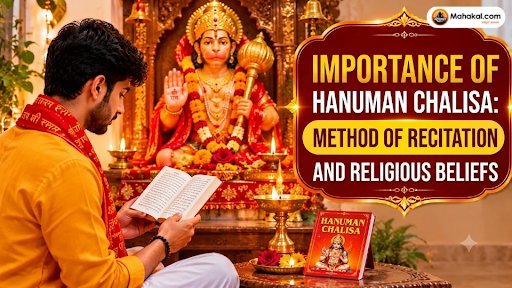
Importance of Reading Hanuman Chalisa: Know the Correct Recitation Method, Rules and Religious Beliefs
In Hinduism, Lord Hanuman is regarded as the symbol of strength, courage, wisdom, devotion and selfless service. He is also known as Sankat Mochan, the remover of difficulties. According to religious beliefs, remembering Lord Hanuman inspires devotees to face challenging situations with courage and faith.
There are several ways to worship Lord Hanuman, but reciting the Hanuman Chalisa is one of the most popular devotional practices among Hindu devotees.
The Hanuman Chalisa was composed by Goswami Tulsidas in the Awadhi language. It describes the divine qualities, extraordinary strength, wisdom, courage and unwavering devotion of Lord Hanuman towards Lord Rama.
Devotees traditionally believe that reciting the Hanuman Chalisa with faith and regularity helps develop positivity, confidence and mental strength. Reciting it on Tuesdays and Saturdays is considered especially auspicious.
But do you know how many verses are included in the Hanuman Chalisa? When should it be recited? What is the correct method of reading it, and which religious beliefs are associated with this sacred hymn?
Let us explore the importance of Hanuman Chalisa, its correct recitation method, traditional rules and spiritual significance.
1. What Is Hanuman Chalisa and Who Composed It?
Hanuman Chalisa is a famous devotional hymn dedicated to Lord Hanuman. It was composed by Goswami Tulsidas in the Awadhi language.
The hymn contains introductory couplets, forty main verses known as Chaupais, and concluding couplets. The word Chalisa comes from the Hindi word Chalis, meaning forty.
Throughout the hymn, Lord Hanuman is remembered by various names, including Anjani Putra, Pavanputra, Mahaveer, Bajrangbali, Sankat Mochan and the greatest devotee of Lord Rama.
Each verse highlights different qualities of Lord Hanuman, including his strength, intelligence, humility, bravery and devotion.
2. Religious Significance of Reading Hanuman Chalisa
In Hindu religious traditions, reciting Hanuman Chalisa is considered highly auspicious. Devotees believe that it is a way of seeking the blessings of Lord Hanuman and strengthening their faith.
Courage and Confidence: Lord Hanuman represents immense strength and fearlessness. Remembering him inspires devotees to face difficult situations with courage.
Prayers for Protection: Lord Hanuman is known as Sankat Mochan. Devotees recite the Chalisa while praying for protection from difficulties and obstacles.
Peace of Mind: Regular devotional recitation and meditation can help individuals experience calmness, concentration and inner peace.
Devotion and Surrender: The Hanuman Chalisa describes Hanuman's selfless devotion towards Lord Rama. It inspires devotees to follow the values of humility, service and dedication.
Positive Thinking: Reciting the hymn with faith can encourage positive thinking and strengthen a person's sense of hope and confidence.
These are traditional religious and spiritual beliefs. Recitation should not be treated as a guaranteed solution to every problem or a substitute for professional help when needed.
3. When Should You Read Hanuman Chalisa?
Hanuman Chalisa can be recited on any day. However, certain days and times are considered particularly auspicious in Hindu traditions.
Importance of Tuesday
Tuesday is traditionally dedicated to Lord Hanuman. Devotees visit Hanuman temples, offer flowers and sindoor, and recite the Hanuman Chalisa to seek his blessings.
Importance of Saturday
Saturday is also considered an important day for worshipping Lord Hanuman. According to a popular religious belief, praying to Bajrangbali on this day is associated with seeking relief from difficulties related to Shani Dev.
Morning and Evening Recitation
Reciting the Hanuman Chalisa after taking a bath in the morning is considered auspicious. Devotees may also light a lamp and recite it in the evening.
Important: There is no compulsory day or specific auspicious time for reading the Hanuman Chalisa. Devotees can recite it daily according to their convenience and faith.
4. Correct Method of Reciting Hanuman Chalisa
Hanuman Chalisa can be recited easily at home. It does not require complicated rituals. Cleanliness, devotion and concentration are traditionally considered important.
Step 1: Take a Bath and Wear Clean Clothes
Begin by taking a bath and wearing clean clothes. Clean the place of worship and sit comfortably in front of an image or idol of Lord Hanuman.
Step 2: Arrange the Puja Materials
Place an image or idol of Lord Hanuman at your worship area. Keep a lamp, incense sticks, flowers, water and prasad nearby.
Step 3: Light a Lamp and Incense
Light a ghee or sesame oil lamp in front of Lord Hanuman. You may also offer dhoop or incense sticks.
Step 4: Remember Lord Rama
Lord Hanuman is regarded as the greatest devotee of Lord Rama. Therefore, remembering Lord Rama and Goddess Sita before beginning the recitation is considered auspicious.
Step 5: Meditate on Lord Hanuman
Close your eyes and remember Lord Hanuman. Pray for the ability to complete the recitation with devotion and concentration.
Step 6: Recite the Hanuman Chalisa
Begin by reading the introductory couplets, followed by all forty Chaupais. Complete the recitation with the concluding couplets.
Try to pronounce the words correctly and understand their meanings while reading.
Step 7: Perform Aarti and Offer Prasad
After completing the recitation, perform the aarti of Lord Hanuman. Offer boondi, jaggery with roasted gram or any other prasad according to your tradition.
Finally, pray for the well-being of your family and everyone around you.
5. Important Rules to Follow While Reading Hanuman Chalisa
Devotees traditionally observe certain practices while reciting the Hanuman Chalisa.
-
Maintain personal cleanliness and keep the place of worship clean.
-
Sit in a peaceful environment and recite with concentration.
-
Avoid rushing through the verses.
-
Remember Lord Rama along with Lord Hanuman.
-
Maintain an attitude of faith, humility and positivity.
-
Try to make recitation a regular part of your daily routine.
-
Make an effort to avoid jealousy, anger and negative feelings towards others.
These are general devotional suggestions. Specific customs may differ according to family traditions and regional practices.
6. How Many Times Should You Read Hanuman Chalisa?
Different traditions follow different practices regarding the number of times the Hanuman Chalisa should be recited.
-
Once: Reciting the Hanuman Chalisa once daily with devotion is considered a meaningful practice.
-
Three Times: Some devotees recite it three times on Tuesdays or during special prayers.
-
Seven Times: Certain devotional traditions include seven recitations as part of their worship.
-
Eleven Times: Some devotees recite it eleven times while making a special prayer or spiritual commitment.
-
Forty Times: Certain devotional practices involve reciting it forty times as part of a special observance.
These numbers are associated with different devotional traditions and personal faith. Sincere devotion and consistency are considered more important than the number of recitations.
7. Famous Verses of Hanuman Chalisa and Their Meanings
Some verses of the Hanuman Chalisa are especially popular among devotees. They describe the strength, protection and devotion of Lord Hanuman.
Verse 1
Bhoot Pishach Nikat Nahi Aavai.
Mahaveer Jab Naam Sunavai.
Meaning: According to religious belief, remembering Lord Hanuman represents protection from fear and negative forces. This verse inspires devotees to remain courageous and have faith in the Divine.
Verse 2
Nasai Rog Harai Sab Peera.
Japat Nirantar Hanumat Beera.
Meaning: This verse remembers Lord Hanuman as Sankat Mochan, who is worshipped for relief from suffering and difficulties. Devotees recite it while praying for health and peace. However, it should not be considered a substitute for medical treatment.
Verse 3
Sankat Te Hanuman Chhudavai.
Man Kram Vachan Dhyan Jo Lavai.
Meaning: This verse expresses the belief that devotees who remember Lord Hanuman through their thoughts, actions and words receive his grace during difficult situations. It highlights the importance of sincere faith and dedication.
Verse 4
Sab Par Ram Tapasvee Raja.
Tin Ke Kaaj Sakal Tum Saaja.
Meaning: This verse describes Hanuman's dedication and service towards Lord Rama. He played an important role in completing the divine tasks entrusted to him.
8. Religious Beliefs About Hanuman Chalisa and Shani Dev
A popular story in Hindu traditions connects Lord Hanuman with Shani Dev.
According to one traditional account, Shani Dev developed great respect for Lord Hanuman after experiencing his strength and devotion. Another popular legend describes how Hanuman freed Shani Dev from the captivity of Ravana.
Because of these stories, devotees believe that worshipping Lord Hanuman with devotion may help them seek relief from difficulties associated with Shani Dev.
This belief is one reason why many people visit Hanuman temples and recite the Hanuman Chalisa on Saturdays.
9. Why Should Children and Young People Read Hanuman Chalisa?
The Hanuman Chalisa is not limited to religious worship. The qualities associated with Lord Hanuman also offer valuable lessons for children and young people.
-
Courage: Hanuman's life inspires people to remain brave during difficult situations.
-
Wisdom: He is regarded as a symbol of knowledge and intelligence.
-
Discipline: His dedication towards Lord Rama teaches the importance of discipline and commitment.
-
Service: His life inspires people to help others without expecting rewards.
-
Confidence: Remembering his strength and achievements can encourage individuals to believe in their own abilities.
Explaining the meaning of the Hanuman Chalisa to children can make the practice more meaningful because they learn not only the verses but also the values behind them.
10. Can Women Read Hanuman Chalisa?
Different family and regional traditions may have different beliefs regarding the worship of Lord Hanuman by women.
In many Hindu traditions, women also worship Lord Hanuman and recite the Hanuman Chalisa. Devotion and sincerity are considered important aspects of worship.
Some families may follow specific customs during certain rituals or religious observances. Individuals can follow their family traditions according to their beliefs.
11. Life Lessons from Hanuman Chalisa
The Hanuman Chalisa conveys several valuable lessons through the character and devotion of Lord Hanuman.
-
Remain humble even when you possess great strength.
-
Use knowledge and intelligence for the right purposes.
-
Maintain courage and patience during difficult times.
-
Stay committed to your duties and responsibilities.
-
Help others without expecting anything in return.
-
Avoid ego and develop a spirit of service and dedication.
This is why the Hanuman Chalisa is regarded not only as a devotional hymn but also as a source of inspiration for developing positive qualities in life.
Conclusion
Hanuman Chalisa is one of the most popular devotional hymns dedicated to Lord Hanuman. Composed by Goswami Tulsidas, it beautifully describes Bajrangbali's extraordinary strength, wisdom, courage and unwavering devotion towards Lord Rama.
According to Hindu religious traditions, reciting the Hanuman Chalisa on Tuesdays and Saturdays is considered especially auspicious. However, devotees can read it on any day with faith and sincerity.
The Hanuman Chalisa teaches us that strength should be accompanied by humility, knowledge by wisdom, and success by a spirit of service.
Therefore, instead of considering it only a means of fulfilling wishes, devotees should also try to understand and follow the spiritual values expressed in this sacred hymn.
Jai Shri Ram! Jai Bajrangbali!
What's Your Reaction?