Navratri Day 8: Maa Mahagauri, Rituals & Color
Celebrate Navratri Day 8 by worshipping Maa Mahagauri. Explore the significance, rituals, and auspicious color for Durga Ashtami in this quick guide.
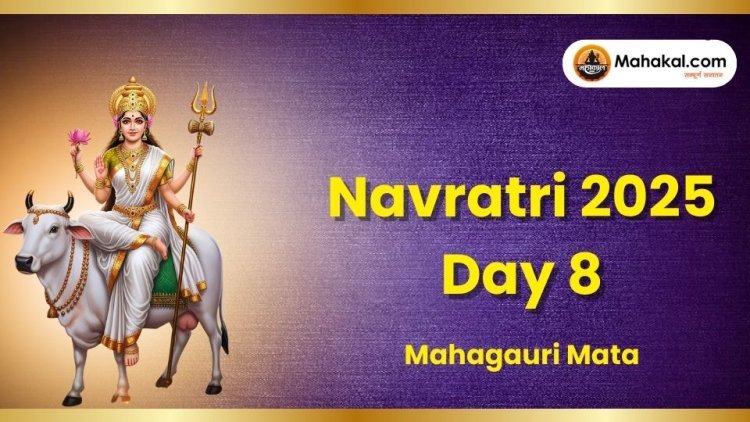
The eighth day of Navratri, also known as Durga Ashtami, holds immense spiritual and cultural significance. On this day, devotees worship Maa Mahagauri, the eighth form of Goddess Durga, symbolizing purity, serenity, and divine grace. It is believed that sincere worship of Mahagauri on this day removes all sins, grants inner peace, and fulfills long-cherished desires.
Significance of Day 8
Maa Mahagauri is depicted as radiant and compassionate, seated on a bull, holding a trident and damaru (drum). Her fair complexion represents purity, calmness, and the complete destruction of past karmic impurities. In many traditions, this day is also regarded as Maha Ashtami, one of the most powerful days of Navratri, where divine energies are at their peak.
-
Worshiping Maa Mahagauri brings peace, prosperity, and harmony at home.
-
It is considered highly auspicious for spiritual progress and removing obstacles from life.
-
This day is also linked with performing Kanya Pujan, where young girls are worshipped as the embodiment of the goddess.
Puja Vidhi for Ashtami
-
Wake up early, bathe, and wear clean traditional clothes, preferably in purple—the auspicious color of the eighth day.
-
Install the idol or picture of Maa Mahagauri on a decorated altar.
-
Offer fresh flowers, garlands, incense, diya, fruits, and sweets to the goddess.
-
Recite Durga Saptashati or Mahagauri stotra with devotion.
-
Perform Kanya Pujan by inviting nine young girls, washing their feet, offering prasad, and gifting small tokens of respect.
-
Conclude the puja with aarti and heartfelt prayers for health, prosperity, and peace.
Auspicious Color of the Day
The color associated with Day 8 of Navratri is purple, representing ambition, spiritual awakening, and intense devotion. Devotees are advised to wear or use this color in puja rituals to enhance positivity and blessings.
Fasting and Charity
-
Many devotees observe a strict fast or take only fruits, milk, and satvik food.
-
Offering food and clothes to the poor and needy on this day is considered highly meritorious.
-
Feeding little girls (Kanya Bhojan) and cows is also believed to bring immense blessings from Maa Mahagauri.
Cultural Celebrations
In many parts of India, especially West Bengal, Gujarat, and North India, this day is celebrated with great enthusiasm. Pandals are beautifully decorated, cultural performances are organized, and traditional dances like Garba and Dandiya reach their peak. In Bengal, the day coincides with Durga Ashtami, when the symbolic dhak (drums) and dhunuchi dance mark the climax of celebrations.
What's Your Reaction?