Sankashti Chaturthi 2026: Date, Vrat, Moonrise Time, Puja Vidhi, Katha & Ganesh Mantra
Sankashti Chaturthi 2026 date, Vrat, Moonrise time, Puja Vidhi, Puja Samagri, Ganesh Mantra, Vrat Katha and religious significance. Know the complete guide.
Sankashti Chaturthi 2026: Date, Vrat, Moonrise Time, Puja Vidhi, Katha, Mantra & Significance
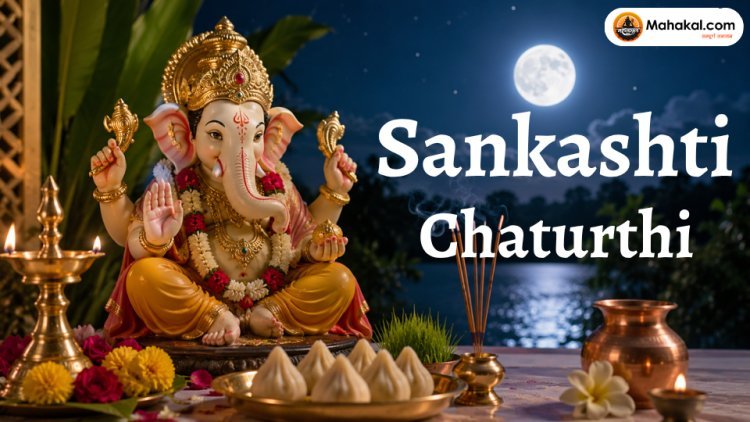
Sankashti Chaturthi is an important monthly Hindu fasting day dedicated to Lord Ganesha, the remover of obstacles and the deity associated with wisdom and auspiciousness. It is observed every month on Krishna Paksha Chaturthi, the fourth day of the waning phase of the Moon.
Devotees observe a fast, worship Lord Ganesha and traditionally wait for moonrise to offer Arghya to the Moon before completing the Vrat.
In this article, discover everything about Sankashti Chaturthi 2026, including its date, Vrat rules, Puja Vidhi, Moonrise time, Puja Samagri, Ganesh Mantra, Vrat Katha, Angarki Chaturthi and frequently asked questions.
What is Sankashti Chaturthi?
Sankashti Chaturthi is a monthly Vrat dedicated to Lord Ganesha.
The word “Sankashti” is associated with relief from difficulties and challenging circumstances. Devotees worship Lord Ganesha on this day with the belief that sincere devotion can help them overcome obstacles and seek wisdom, peace and prosperity.
Since the date of Sankashti Chaturthi changes every month according to the Hindu lunar calendar, devotees generally check the local Panchang for the exact Tithi and Moonrise time.
Why is Sankashti Chaturthi Observed?
Lord Ganesha is traditionally worshipped as Vighnaharta, the remover of obstacles.
Devotees observe Sankashti Chaturthi to pray for:
- Removal of obstacles
- Wisdom and intelligence
- Success in important tasks
- Peace of mind
- Family happiness
- Prosperity
- Positive energy
- Spiritual growth
These are matters of religious faith and tradition.
Sankashti Chaturthi Puja Vidhi
Sankashti Chaturthi Puja can be performed at home with simple preparations.
1. Take a Bath and Clean the Puja Area
Begin the day by taking a bath and wearing clean clothes. Clean your Puja area before starting the worship.
2. Place Lord Ganesha's Idol
Place a picture or idol of Lord Ganesha on a clean Puja platform.
3. Light a Diya
Light a Diya and incense according to your family tradition.
4. Offer Puja Samagri
Offer items such as:
- Durva grass
- Flowers
- Kumkum
- Akshat
- Sandalwood
- Fruits
- Coconut
- Modak or Ladoo
5. Chant a Ganesh Mantra
Recite a simple Ganesh Mantra with devotion and concentration.
6. Read Sankashti Chaturthi Vrat Katha
Devotees can read or listen to the traditional Sankashti Chaturthi Vrat Katha.
7. Worship After Moonrise
After Moonrise, devotees traditionally offer Arghya to the Moon and complete the Vrat according to their family tradition.
8. Perform Ganesh Aarti
Complete the Puja with Lord Ganesha's Aarti and distribute Prasad.
Why is Moonrise Important on Sankashti Chaturthi?
One of the distinctive traditions associated with Sankashti Chaturthi is Moon worship after Moonrise.
Devotees wait for the Moon to become visible, offer water or Arghya and pray before completing their fast.
The exact Moonrise time varies from city to city, so checking a local Panchang is recommended.
Which Mantra Should You Chant on Sankashti Chaturthi?
A simple and popular Ganesh Mantra is:
ॐ गं गणपतये नमः।
Om Gam Ganapataye Namah
Devotees can chant this mantra according to their faith and personal practice.
You may also recite Ganesh Atharvashirsha, Ganesh Stotra or other prayers traditionally followed by your family.
Sankashti Chaturthi Puja Samagri
Common Puja items include:
- Lord Ganesha idol or picture
- Durva grass
- Flowers
- Kumkum
- Akshat
- Sandalwood
- Incense
- Diya
- Fruits
- Coconut
- Modak or Ladoo
- Water
- Panchamrit
- Puja Thali
The exact Puja Samagri may differ according to regional and family traditions.
Sankashti Chaturthi Vrat Rules
Fasting practices can vary between families and regions.
Some devotees observe a strict fast, while others follow a fruit-based or traditional fasting diet.
The important aspects of the Vrat are generally considered to be devotion, discipline, prayer and self-control.
A strict fast is not necessary for everyone. People should consider their health and personal circumstances before fasting.
Sankashti Chaturthi Vrat Katha
Several traditional stories are associated with Sankashti Chaturthi.
The central theme of these stories is the devotion and faith of devotees toward Lord Ganesha and the belief that sincere worship helps devotees overcome difficulties.
The Vrat Katha is traditionally read or heard during the Puja as an expression of devotion.
For a detailed festival-specific article, the Katha can also be presented separately according to the particular month and regional tradition.
What Should You Do on Sankashti Chaturthi?
Devotees can:
- Worship Lord Ganesha.
- Observe the Sankashti Vrat.
- Chant Om Gam Ganapataye Namah.
- Offer Durva grass.
- Offer Modak or Ladoo.
- Read Ganesh Stotra.
- Listen to the Vrat Katha.
- Offer Arghya to the Moon after Moonrise.
- Perform Ganesh Aarti.
- Donate food or help someone in need.
What Should You Avoid on Sankashti Chaturthi?
Religious practices differ, but devotees generally try to maintain a peaceful and positive environment.
You can avoid:
- Unnecessary arguments
- Anger and negative behaviour
- Insulting or hurting others
- Food wastage
- Performing Puja merely for show
- Extreme fasting that could affect your health
The spiritual focus of the day is faith, discipline and devotion.
What is Angarki Sankashti Chaturthi?
When Sankashti Chaturthi falls on a Tuesday, it is known as Angarki Sankashti Chaturthi.
It is considered especially significant in many Hindu traditions, and devotees may observe the Vrat and perform special Ganesh Puja on this day.
Sankashti Chaturthi vs Ganesh Chaturthi
Although both festivals are dedicated to Lord Ganesha, they are different occasions.
Sankashti Chaturthi occurs every month on Krishna Paksha Chaturthi.
Ganesh Chaturthi is the major annual festival celebrating the birth or appearance of Lord Ganesha and is observed during Shukla Paksha Chaturthi in the month of Bhadrapada.
Spiritual Significance of Sankashti Chaturthi
Sankashti Chaturthi is not only about fasting.
It can also be viewed as a day for self-discipline, prayer, reflection and developing patience.
Since Lord Ganesha is associated with wisdom and intellect, devotees can use the occasion to pray for the ability to make better decisions and face challenges with courage and clarity.
Sankashti Chaturthi FAQs
When is Sankashti Chaturthi observed?
Sankashti Chaturthi is observed every month on Krishna Paksha Chaturthi.
Which God is worshipped on Sankashti Chaturthi?
Lord Ganesha is the main deity worshipped on Sankashti Chaturthi.
When should the Sankashti Vrat be broken?
Traditionally, many devotees complete the Vrat after Moonrise, offering Arghya to the Moon and performing the prescribed Puja.
Which mantra is best for Sankashti Chaturthi?
A simple and popular mantra is:
Om Gam Ganapataye Namah.
What should be offered to Lord Ganesha?
Devotees commonly offer Durva grass, flowers, Modak, Ladoo, fruits, coconut and other traditional Puja items.
What is Angarki Sankashti Chaturthi?
Sankashti Chaturthi that falls on a Tuesday is known as Angarki Sankashti Chaturthi.
What's Your Reaction?