What Is the Mysterious Connection Between Mahakavi Kalidasa and Maa Gadkalika? Discover Ujjain’s Ancient Belief
Discover the traditional connection between Mahakavi Kalidasa and Maa Gadkalika Temple in Ujjain. Explore the ancient legend, the goddess's spiritual significance, and Kalidasa's literary legacy.
Content Blog
What Is the Mysterious Connection Between Mahakavi Kalidasa and Maa Gadkalika? Discover Ujjain’s Ancient Belief
Ujjain is one of India's most ancient and spiritually significant cities. Known for the sacred Mahakaleshwar Jyotirlinga, the city is also home to several historic temples that preserve stories of devotion, faith, and cultural heritage.
Among these sacred places, the Maa Gadkalika Temple holds a special position. The temple is traditionally associated with Mahakavi Kalidasa, one of the greatest poets and dramatists in Sanskrit literature.
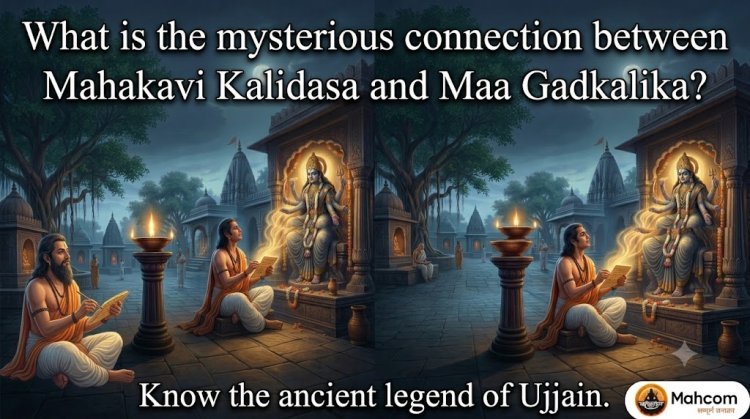
According to a popular local belief, Kalidasa was a devoted worshipper of Maa Kali, worshipped at the Gadkalika Temple in Ujjain. It is believed that the goddess blessed him with knowledge, wisdom, and extraordinary poetic talent.
But what is the actual connection between Mahakavi Kalidasa and Maa Gadkalika? Why is this ancient legend still remembered today? Let us explore the temple's religious significance, the traditional story, and the literary heritage that makes this connection so fascinating.
1. Where Is Maa Gadkalika Temple Located, and Why Is It Famous?
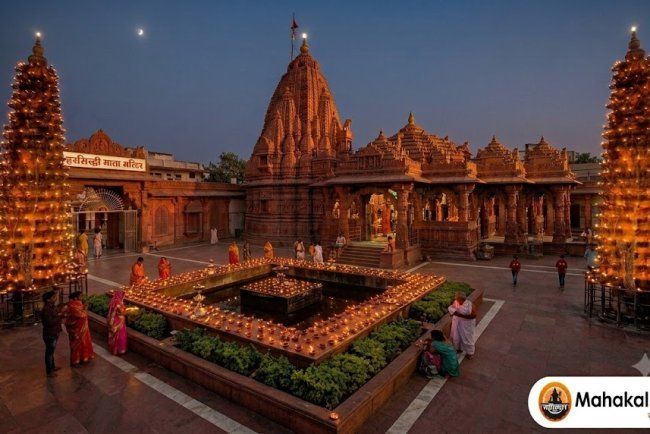
Maa Gadkalika Temple is a well-known Hindu temple located in Ujjain, Madhya Pradesh. The goddess is worshipped here as a manifestation of Kali and Shakti, representing divine power, courage, and the victory of knowledge over ignorance.
Ujjain has long been associated with religious traditions, philosophy, literature, and spiritual practices. Its temples preserve not only religious customs but also the cultural memories of ancient India.
The Gadkalika Temple is particularly famous for its traditional association with Mahakavi Kalidasa. Visitors often come to learn about the legend that connects the goddess with the poet's extraordinary literary abilities.
During Navratri and other religious occasions, devotees visit the temple to offer prayers and seek blessings for wisdom, courage, peace, and spiritual well-being.
2. Who Was Mahakavi Kalidasa?
Mahakavi Kalidasa is widely regarded as one of the greatest poets and dramatists in classical Sanskrit literature. His works are admired for their graceful language, vivid descriptions of nature, emotional depth, and understanding of human relationships.
His literary achievements continue to inspire readers, scholars, students, and writers across the world.
Some of his most celebrated works include Abhijnanashakuntalam, Meghaduta, Raghuvamsha, and Kumarasambhava. These works explore themes such as love, separation, nature, duty, spirituality, and Indian cultural traditions.
The exact dates and birthplace of Kalidasa remain subjects of scholarly discussion. Historical information about his early life is limited, but his name has a strong traditional association with Ujjain and ancient Avanti.
His enduring literary reputation makes the traditional story connecting him with Maa Gadkalika particularly interesting to both devotees and literature enthusiasts.
3. What Is the Ancient Legend Connecting Kalidasa and Maa Gadkalika?
A popular legend describes Kalidasa as someone who was not highly learned during his early years. According to the traditional story, circumstances in his life eventually led to a profound transformation.
The legend says that Kalidasa turned towards divine worship and sought the blessings of the goddess. Through Maa Kali's grace, he is believed to have gained wisdom and exceptional literary abilities, eventually becoming a celebrated poet.
The Maa Gadkalika Temple in Ujjain is traditionally connected with this story. According to local belief, Kalidasa worshipped the goddess with deep devotion and considered her a source of inspiration and knowledge.
However, the specific details of this story are not fully established through historical evidence. It is best understood as a religious legend preserved through local tradition rather than a completely verified historical account.
The story's enduring appeal lies in its message about devotion, humility, learning, and personal transformation.
4. Did Maa Gadkalika Bless Kalidasa With Extraordinary Literary Talent?
This is one of the most common questions associated with the temple and the poet.
According to popular belief, the blessings of Maa Gadkalika brought a remarkable change in Kalidasa's life and helped him develop extraordinary poetic abilities.
From a religious perspective, devotees see this story as an example of divine grace. The goddess is regarded not only as a protector but also as a source of courage, wisdom, and inspiration.
From a historical perspective, the exact circumstances of Kalidasa's education and literary development remain uncertain. There is no conclusive evidence establishing one specific event as the cause of his exceptional talent.
Nevertheless, the legend remains meaningful because it connects spiritual faith with the pursuit of knowledge and creativity.
Its broader message is that learning, discipline, humility, and continuous effort are essential qualities for personal growth.
5. Why Is Maa Gadkalika Associated With Knowledge and Strength?
In Hindu traditions, Goddess Kali represents divine power, courage, and the destruction of ignorance and negativity. Her worship is associated with developing inner strength and facing difficult situations with determination.
Devotees of Maa Gadkalika pray for wisdom, confidence, peace, and guidance in their lives. Students may seek inspiration for their studies, while writers and artists may visit the temple as an expression of their faith and respect for creativity.
The traditional story of Kalidasa reinforces the association between the goddess and intellectual inspiration.
For many devotees, worship is also a way to develop discipline, reflect on their actions, and cultivate positive qualities. Its spiritual significance extends beyond the fulfilment of personal wishes.
6. What Is the Cultural Connection Between Ujjain and Mahakavi Kalidasa?
Ujjain, traditionally known as Ujjayini, was an important centre of ancient Indian culture, religion, trade, and learning.
Kalidasa's literary works preserve beautiful descriptions of Indian cities, landscapes, and cultural life. His celebrated poem Meghaduta includes a memorable description of Ujjayini, reflecting the city's place in the cultural imagination of classical Sanskrit literature.
This literary association has helped preserve Kalidasa's place in Ujjain's cultural memory.
The traditional connection between the poet and Maa Gadkalika adds a religious dimension to this heritage, bringing together literature, devotion, and the history of the city.
Although scholars continue to debate details of Kalidasa's life and his exact historical association with Ujjain, his cultural importance in the city remains significant.
7. What Are the Famous Literary Works of Mahakavi Kalidasa?
Kalidasa's works are among the most treasured achievements of classical Sanskrit literature. His major works include:
Abhijnanashakuntalam: A celebrated Sanskrit drama that tells the story of Shakuntala and King Dushyanta.
Meghaduta: A lyrical poem about a separated Yaksha who asks a cloud to carry a message to his beloved. It is admired for its descriptions of nature, love, and longing, including its portrayal of Ujjayini.
Raghuvamsha: An epic poem describing the lineage and traditions of the Raghu dynasty.
Kumarasambhava: A classical epic associated with the story of Lord Shiva and Goddess Parvati.
Ritusamhara: A poetic work depicting the changing seasons and the beauty of the natural world.
Vikramorvashiyam: A Sanskrit drama based on the story of King Pururavas and Urvashi.
Malavikagnimitram: A drama involving romance and events within a royal court.
These works demonstrate Kalidasa's extraordinary command of language, sensitivity to human emotions, and ability to describe nature and cultural traditions with remarkable beauty.
8. What Is the Religious Significance of Visiting Maa Gadkalika Temple?
Devotees visit Maa Gadkalika Temple to seek blessings according to their personal beliefs and religious traditions. Many pray for wisdom, courage, confidence, peace, and spiritual strength.
The temple is especially significant during Navratri, when devotees worship the goddess with great devotion.
For visitors exploring Ujjain's religious heritage, the temple offers an opportunity to understand the city's spiritual traditions and the legend connecting Maa Gadkalika with Mahakavi Kalidasa.
Visitors planning a pilgrimage should confirm current darshan timings and special पूजा arrangements with the local temple authorities before travelling.
9. What Can We Learn From the Legend of Kalidasa and Maa Gadkalika?
The traditional story connecting Kalidasa with Maa Gadkalika carries several important messages.
The value of knowledge: Education and learning help people understand the world and make better decisions.
The importance of humility: A willingness to learn and improve is an essential part of personal development.
Faith and spiritual discipline: Religious devotion can provide hope, comfort, and inner strength.
Creativity and perseverance: Kalidasa's literary legacy reminds us of the importance of imagination, language, study, and creative expression.
Preserving cultural heritage: Ancient temples and traditional stories offer valuable opportunities to explore India's religious and cultural history.
These lessons help explain why the legend continues to inspire devotees, students, writers, and visitors to Ujjain.
Conclusion
The Maa Gadkalika Temple in Ujjain represents a meaningful combination of religious devotion, ancient tradition, and cultural heritage. Its traditional association with Mahakavi Kalidasa continues to attract the interest of devotees and literature enthusiasts.
According to popular belief, Kalidasa received divine blessings from Maa Gadkalika that helped him develop extraordinary knowledge and poetic talent. Although the details of this transformation are not fully verified historically, the story continues to hold spiritual and cultural significance.
Kalidasa's literary works remain an invaluable part of India's classical heritage, while Ujjain's association with his memory adds another dimension to the city's rich cultural identity.
For anyone interested in Ujjain's sacred temples and ancient traditions, the story of Maa Gadkalika and Mahakavi Kalidasa offers a fascinating glimpse into the relationship between faith, knowledge, literature, and Indian spirituality.
Jai Maa Gadkalika! Jai Mahaka
What's Your Reaction?