The Mythological Story of Tulsi and Lord Vishnu: Why Is Tulsi Vivah Celebrated? Discover Its Sacred Mystery
Discover the fascinating mythological story of Tulsi Vivah, the devotion of Vrinda, Lord Vishnu's divine promise, and the religious significance of the sacred Tulsi plant in Hinduism.
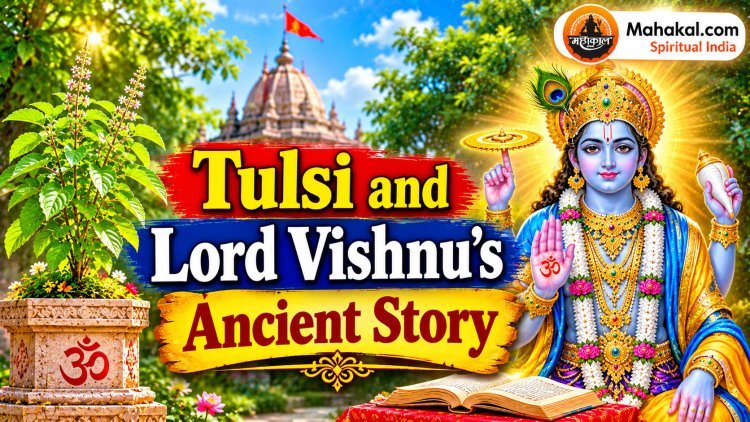
I Why Is Tulsi Vivah Considered Sacred?
In Hinduism, the Tulsi plant holds a special spiritual position. It is not considered just an ordinary plant but is worshipped as a sacred symbol of devotion, purity, and divine blessings.
Tulsi is especially dear to Lord Vishnu and Lord Krishna. Devotees traditionally offer Tulsi leaves during Vishnu worship and believe that prayers offered with Tulsi bring divine blessings.
But have you ever wondered why Tulsi Vivah is celebrated every year? How did Tulsi become associated with Lord Vishnu?
According to popular Hindu mythology, this sacred tradition is connected with the story of Vrinda, her devotion to her husband Jalandhar, and a divine episode involving Lord Vishnu.
1. Who Was Vrinda?
According to Hindu mythology, Vrinda was a devoted and virtuous woman. She was married to Jalandhar, the powerful king of the demons.
Vrinda was known for her unwavering devotion and dedication to her husband. Her spiritual purity and devotion were believed to protect Jalandhar and make him extremely powerful.
As long as her devotion remained unbroken, defeating Jalandhar was considered almost impossible.
2. Jalandhar's Growing Pride and the Gods' Concerns
As Jalandhar's power increased, he became arrogant and began challenging the gods.
His actions created serious difficulties for the divine world. Unable to control his growing strength, the gods approached Lord Vishnu and Lord Shiva for help.
The greatest obstacle was Vrinda's unwavering devotion, which protected Jalandhar.
3. Lord Vishnu's Divine Leela
According to a popular version of the story, Lord Vishnu assumed the appearance of Jalandhar and appeared before Vrinda.
Believing him to be her husband, Vrinda welcomed him. This incident resulted in the breaking of her vow of chastity, and Jalandhar lost his divine protection.
Lord Shiva subsequently defeated Jalandhar in battle.
When Vrinda discovered what had happened, she was deeply heartbroken and angered by Lord Vishnu's actions.
4. Why Did Vrinda Curse Lord Vishnu?
After learning the truth, Vrinda became extremely sorrowful. She cursed Lord Vishnu, declaring that he would turn into stone.
According to religious belief, this curse is associated with the appearance of Lord Vishnu in the form of the sacred Shaligram stone.
Shaligram is worshipped as a divine representation of Lord Vishnu and holds an important place in Hindu religious traditions.
5. How Did Vrinda Become the Sacred Tulsi Plant?
According to mythology, Lord Vishnu blessed Vrinda and granted her a special place in the spiritual world.
He declared that she would be worshipped in the form of the Tulsi plant and would remain especially dear to him.
This is why Tulsi leaves hold such importance in the worship of Lord Vishnu and Lord Krishna.
Devotees believe that offering Tulsi leaves during prayers brings divine blessings and spiritual merit.
6. How Did the Tradition of Tulsi Vivah Begin?
According to popular religious traditions, Lord Vishnu promised to accept Tulsi as his divine consort.
This sacred association is remembered through the annual celebration of Tulsi Vivah.
It is generally celebrated during the Kartik month, particularly around Dev Uthani Ekadashi and Kartik Shukla Dwadashi, depending on regional traditions.
During this ceremony, the Tulsi plant is symbolically married to Lord Shaligram or an idol of Lord Krishna.
The ceremony includes traditional wedding rituals, decorations, flowers, sacred offerings, lamps, and devotional songs.
7. Religious Significance of Tulsi Vivah
Tulsi Vivah is considered an auspicious religious occasion in Hinduism.
-
Marital Happiness: Devotees believe that performing Tulsi Vivah brings harmony and happiness to married life.
-
Marriage Blessings: The ceremony is considered auspicious for unmarried individuals seeking a suitable life partner.
-
Lord Vishnu's Blessings: Tulsi is believed to be especially dear to Lord Vishnu.
-
Peace and Prosperity: Worshipping Tulsi is traditionally associated with positivity and well-being in the household.
-
Spiritual Merit: Performing Tulsi Vivah is traditionally considered spiritually rewarding.
8. How Is Tulsi Vivah Performed?
Tulsi Vivah is celebrated with devotion and traditional wedding rituals.
The Tulsi plant is decorated with flowers, ornaments, and a beautiful cloth. Lord Shaligram or an idol of Lord Krishna is placed nearby.
The ceremony generally includes:
-
Cleaning and decorating the Tulsi plant.
-
Offering flowers, vermilion, and sacred decorations.
-
Placing Lord Shaligram or Lord Krishna near Tulsi.
-
Lighting incense sticks and an oil lamp.
-
Offering fruits, sweets, and traditional worship materials.
-
Performing the symbolic marriage ceremony.
-
Reciting the Tulsi Vivah story and performing the final aarti.
Rituals may vary according to local customs and family traditions.
9. Why Is Tulsi Important in Lord Vishnu's Worship?
Tulsi is considered one of the most beloved offerings to Lord Vishnu.
In Hindu religious traditions, Tulsi leaves are offered during prayers to Lord Vishnu, Lord Krishna, and Shaligram.
The plant also represents devotion, purity, dedication, and the spiritual connection between nature and human life.
This is why Tulsi holds a respected position in Hindu households and temples.
Conclusion: Tulsi Vivah Is a Celebration of Devotion and Faith
The mythological story of Tulsi and Lord Vishnu teaches important lessons about devotion, sacrifice, faith, and divine grace.
Vrinda's unwavering dedication and Lord Vishnu's blessing made Tulsi an important symbol in Hindu religious traditions.
Tulsi Vivah is not merely a ceremonial marriage; it represents the sacred connection between nature, spirituality, and devotion.
Every year, devotees celebrate this occasion with faith and pray to Lord Vishnu and Mata Tulsi for happiness, peace, prosperity, and harmony in their families.
May the blessings of Lord Vishnu and Mata Tulsi always remain upon everyone.
What's Your Reaction?