Who Is Gaja Lakshmi? Meaning, Symbolism, Story, Iconography, Worship & Importance in Hinduism
Discover who Gaja Lakshmi is, her meaning, story, symbolism, divine form, spiritual significance, Gaja Lakshmi Stotram with meaning, worship rituals, blessings, and importance as one of the sacred Ashta Lakshmi forms.
Who Is Gaja Lakshmi? Meaning, Symbolism, Story, Iconography, Worship & Importance in Hinduism
Gaja Lakshmi – The Goddess of Royal Prosperity and Abundance
Gaja Lakshmi is one of the eight divine manifestations of Ashta Lakshmi, the sacred forms of Goddess Lakshmi representing different types of wealth and prosperity. She is worshipped as the Goddess of royal power, prosperity, fertility, abundance, courage, and animal wealth.
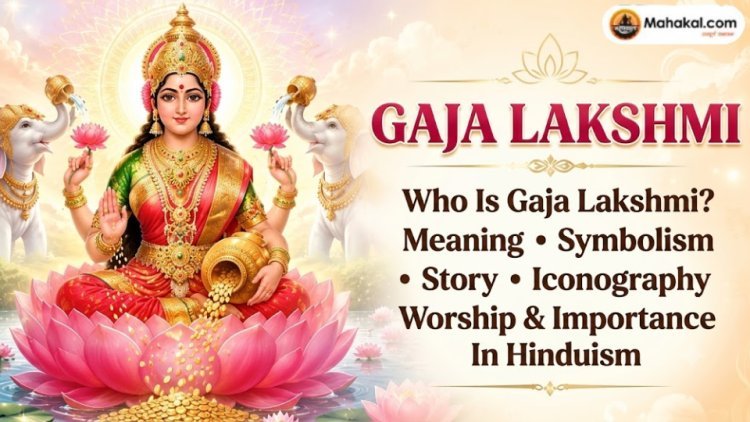
The word "Gaja" means elephant, a symbol of strength, wisdom, royalty, victory, and abundance in Hindu tradition. In her divine form, Gaja Lakshmi is depicted seated gracefully on a fully bloomed lotus while two magnificent elephants shower her with sacred water, symbolizing continuous blessings, purity, and everlasting prosperity.
Devotees worship Gaja Lakshmi to attain wealth, success, social honor, family prosperity, agricultural abundance, and protection from financial hardships.
Who Is Gaja Lakshmi?
Among the eight forms of Goddess Lakshmi, Gaja Lakshmi is revered as the Goddess who blesses devotees with prosperity, authority, fertility, and material as well as spiritual abundance.
Historically, farmers and cattle owners especially worshipped Gaja Lakshmi because livestock such as cows, bulls, and elephants represented livelihood, wealth, and social status. Since elephants were also associated with kings and royal power, Gaja Lakshmi became a symbol of sovereignty, prestige, and divine fortune.
https://mahakal.com/pujabooknow/kanakadhara-stotram-paath
https://mahakal.com/chadhavabooknow/maa-lakshmi-chadhawa
Story of Gaja Lakshmi
According to Hindu mythology, Gaja Lakshmi emerged during the sacred Samudra Manthan (Churning of the Ocean), one of the most significant events described in the Puranas.
When the gods and demons churned the cosmic ocean to obtain Amrit (the nectar of immortality), Goddess Lakshmi manifested from the ocean in her divine form. As Gaja Lakshmi, she restored the lost wealth, prosperity, and royal glory of Lord Indra, who had previously lost his kingdom due to a curse.
Two celestial elephants welcomed the Goddess by bathing her with sacred water from golden vessels, symbolizing purification, divine blessings, fertility, and the return of prosperity.
This beautiful imagery continues to represent the victory of abundance over scarcity and divine grace over misfortune.
Symbolism and Divine Form of Gaja Lakshmi
Gaja Lakshmi's divine form symbolizes prosperity, purity, protection, and abundance.
She is traditionally depicted:
- Seated on a fully blossomed lotus.
- Wearing red garments and adorned with gold ornaments.
- Holding lotus flowers in her upper hands.
- Displaying Abhaya Mudra for protection and Varada Mudra for blessings.
- Flanked by two white elephants showering her with sacred water, symbolizing royal power, fertility, prosperity, and divine grace.
Spiritual Significance of Gaja Lakshmi
Gaja Lakshmi represents prosperity that extends beyond material wealth to include happiness, family well-being, and spiritual growth.
Her worship is believed to bring:
- Wealth and abundance
- Success and leadership
- Family happiness and fertility
- Career and business growth
- Protection from difficulties
- Peace and overall prosperity
Gaja Lakshmi Stotram
Jaya Jaya Durgati Nashini Kamini, Sarva Phalaprada Shastramaye
Ratha Gaja Turaga Padati Samavrita, Parijana Mandita Lokanute।
Hari Hara Brahma Supujita Sevita, Tapa Nivarini Padayute।
Jaya Jaya He Madhusudana Kamini, Gaja Lakshmi Rupena Palaya Mam॥
Meaning of Gaja Lakshmi Stotram
This sacred hymn glorifies Goddess Gaja Lakshmi as the divine remover of suffering, poverty, and misfortune, who blesses her devotees with prosperity, success, and all auspicious fruits of life.
The Goddess is described as being surrounded by chariots, elephants, horses, soldiers, and devoted attendants, symbolizing royal glory, abundance, and divine authority. She is worshipped by Lord Vishnu, Lord Shiva, and Lord Brahma, highlighting her supreme spiritual importance.
The hymn praises Gaja Lakshmi as the compassionate Mother who removes pain, hardships, and obstacles while showering her devotees with wealth, happiness, peace, protection, and prosperity. In the final verse, the devotee humbly prays to Goddess Gaja Lakshmi to always protect them and bless them with success, abundance, good fortune, and divine grace.
Importance of Elephants in Gaja Lakshmi
The elephants beside Gaja Lakshmi carry deep spiritual symbolism.
They represent:
- Royal authority
- Strength and wisdom
- Fertility
- Timely rainfall
- Agricultural prosperity
- Purity through sacred water
- Continuous blessings from the Divine
The ceremonial bathing of the Goddess by elephants signifies that prosperity flourishes where purity, devotion, righteousness, and gratitude exist.
Historical Importance of Gaja Lakshmi
Gaja Lakshmi has been worshipped for over two thousand years and appears in some of India's oldest artistic traditions.
Her images are found on:
- Ancient Bharhut sculptures (2nd century BCE)
- Early Indian coins
- Ellora Cave temples
- Odisha's Kalinga-style temples
- Traditional temples across Goa and the Konkan region
- Historic temples in Cambodia
Her enduring presence in Hindu and Buddhist art highlights her universal symbolism of prosperity, protection, and auspiciousness.
Also Read : ashta-lakshmi-the-8-forms-of-goddess-lakshmi-their-significance-divine-blessings-and-ashtalakshmi-stotram
Conclusion
Gaja Lakshmi is the divine embodiment of prosperity, royal grace, fertility, and abundance. Her serene form seated on a lotus while celestial elephants shower her with sacred water reminds devotees that true prosperity comes through devotion, purity, gratitude, and righteous living. Worshipping Gaja Lakshmi with faith is believed to attract wealth, success, family happiness, and lasting divine blessings while inspiring compassion toward nature and all living beings.
Frequently Asked Questions (FAQs)
1. Who is Gaja Lakshmi?
Gaja Lakshmi is one of the eight forms of Goddess Lakshmi and is worshipped as the Goddess of prosperity, royal authority, fertility, abundance, and animal wealth.
2. Why is Gaja Lakshmi worshipped?
Devotees worship Gaja Lakshmi to seek wealth, success, financial stability, family prosperity, protection from poverty, and overall well-being.
3. What do the elephants beside Gaja Lakshmi symbolize?
The elephants symbolize strength, wisdom, royal power, fertility, rainfall, agricultural prosperity, purity, and the continuous flow of divine blessings.
- Gaja Lakshmi
- Gaja Lakshmi Meaning
- Who is Gaja Lakshmi?
- Gaja Lakshmi Story
- Gaja Lakshmi Stotram
- Ashta Lakshmi
What's Your Reaction?