Why Is Arghya Offered to Chhath Maiya and the Sun God? Know the Right Time, Ritual and Religious Significance
Learn why Arghya is offered to Chhath Maiya and the Sun God during Chhath Puja. Know the significance, right timing, ritual and importance of Sandhya and Usha Arghya.
Content Blog →
Chhath Puja is one of the most important traditional Hindu festivals dedicated to the worship of the Sun God and Chhath Maiya. The festival represents faith, purity, discipline, gratitude and respect for nature.
One of the most important traditions of Chhath Puja is offering Arghya to the Sun God. A unique feature of this festival is that devotees offer Arghya both to the setting Sun and to the rising Sun.
Who Is Chhath Maiya?
According to popular religious traditions, Chhath Maiya is worshipped as a divine mother associated with the protection and well-being of children and families. Devotees pray to her for the health, longevity, happiness and prosperity of their children.
Why Is Arghya Offered During Chhath Puja?
Arghya means offering water with devotion and respect. During Chhath Puja, devotees offer water to the Sun God as a symbolic expression of gratitude.
The Sun is regarded as a source of light and energy and is essential for life on Earth. Therefore, offering Arghya represents devotion, gratitude and respect toward the natural forces that sustain life.
Why Is Arghya Offered to the Setting Sun?
Offering Arghya to the setting Sun is one of the most distinctive traditions of Chhath Puja.
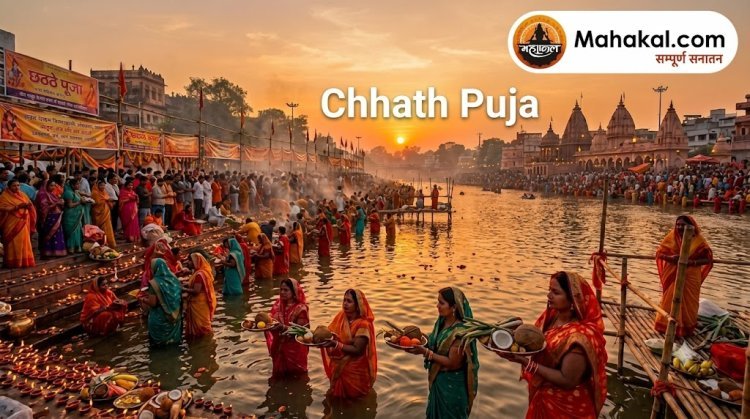
The evening ritual reminds devotees that every stage of life deserves respect and gratitude. On the third day of Chhath Puja, devotees gather at the Chhath Ghat and offer Arghya to the setting Sun while praying to Chhath Maiya for the well-being of their families.
Why Is Arghya Offered to the Rising Sun?
On the final day of Chhath Puja, devotees offer Usha Arghya to the rising Sun.
The rising Sun represents hope, new beginnings, positive energy and renewal. Devotees reach the Ghat before sunrise and offer Arghya when the Sun rises. The fast is then completed according to family and regional traditions.
What Is the Right Time to Offer Arghya?
There are two main Arghya rituals during Chhath Puja.
Sandhya Arghya: Offered on the third day in the evening to the setting Sun. The exact timing depends on the local sunset time.
Usha Arghya: Offered on the fourth and final day in the morning to the rising Sun. The exact timing depends on the local sunrise time.
There is no single fixed clock time for the entire country because sunrise and sunset vary according to location and date. Therefore, devotees should check the local Panchang or reliable local sunrise and sunset timings.
General Method of Offering Arghya
Devotees traditionally take a bath and wear clean clothes before the ritual. Puja materials and Prasad are arranged in a Soop or basket and taken to the Chhath Ghat.
Devotees stand facing the Sun and respectfully offer water while remembering Chhath Maiya and the Sun God. Prayers are offered for family health, happiness, peace and prosperity.
Traditional offerings may include Thekua, fruits, sugarcane, coconut and other items according to regional customs.
Conclusion
Offering Arghya to the Sun God and worshipping Chhath Maiya are central traditions of Chhath Puja. The setting Sun receives Sandhya Arghya in the evening, while the rising Sun receives Usha Arghya the following morning.
The exact Arghya timing depends on the local sunrise and sunset, so devotees should follow the local Panchang for accurate timings.
Chhath Puja beautifully represents faith, discipline, gratitude, devotion and respect for nature, making it one of the most spiritually significant Hindu festivals.
What's Your Reaction?