Why Is Diwali Celebrated? Know the Significance of Lakshmi Puja, Lighting Diyas and the Spiritual Meaning of Diwali
Why is Diwali celebrated? Discover the religious significance of Diwali, Lakshmi and Ganesh Puja, the tradition of lighting diyas, Diwali stories and beliefs related to happiness, prosperity and positivity.
Content Blog:
Diwali, also known as Deepawali, is one of the most important and widely celebrated festivals in Hindu tradition. It is not merely a festival of lights, decorations, sweets and celebrations. Diwali carries a deep religious, spiritual, cultural and symbolic meaning.
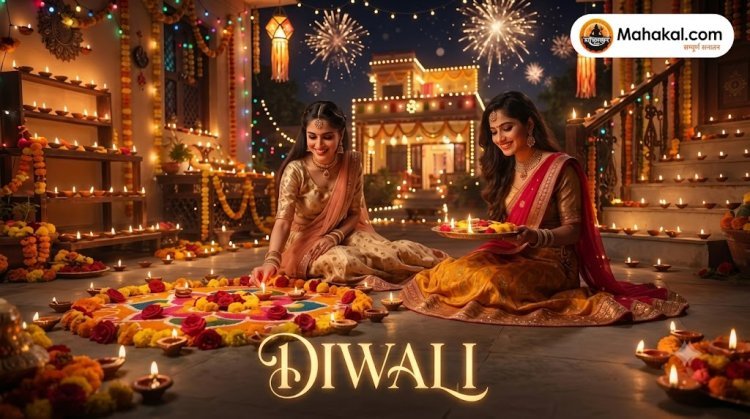
The central message of Diwali is the journey from darkness to light, from ignorance to knowledge, and from negativity to positivity. On this auspicious occasion, homes are cleaned and decorated, rows of diyas are lit, rangoli is created and many families worship Goddess Lakshmi and Lord Ganesha.
Diwali is considered the most prominent day of the five-day Diwali festival. Families come together, wear new clothes, prepare traditional food, exchange sweets and offer prayers for happiness, peace, prosperity and well-being.
Why Is Diwali Celebrated?
There are several religious stories and regional traditions associated with the celebration of Diwali.
In many parts of North India, Diwali is associated with the return of Lord Rama, Goddess Sita and Lord Lakshmana to Ayodhya after fourteen years of exile. According to the traditional belief, the people of Ayodhya welcomed Lord Rama by lighting rows of oil lamps.
In other traditions, Diwali is associated with Goddess Lakshmi and the divine events connected with the churning of the cosmic ocean. Therefore, worshipping Goddess Lakshmi on Diwali night is considered especially important in many Hindu households.
At a broader spiritual level, Diwali represents the victory of righteousness, truth and light over darkness and negativity.
Religious Significance of Diwali
Diwali is regarded as a festival of light, auspiciousness, knowledge and positive energy.
A small diya has the ability to remove darkness from a room. In the same way, knowledge, good thoughts and righteous actions can remove negativity from a person's life.
The festival reminds us that external lights are meaningful only when we also try to bring light into our thoughts, actions and relationships.
Why Is Goddess Lakshmi Worshipped on Diwali?
Goddess Lakshmi is traditionally worshipped as the goddess associated with wealth, prosperity, abundance and auspiciousness.
On Diwali night, many families perform a special Lakshmi Puja and pray for happiness, financial stability, peace and prosperity.
However, the deeper meaning of Lakshmi Puja is not limited to material wealth. It also represents the wish for a prosperous and harmonious household, good fortune, positive energy and a balanced life.
This is one reason why cleaning and organizing the home before Diwali is considered an important tradition.
Why Are Lord Ganesha and Goddess Lakshmi Worshipped Together?
The worship of Lord Ganesha along with Goddess Lakshmi is another important Diwali tradition.
Lord Ganesha is associated with wisdom, intelligence, auspicious beginnings and the removal of obstacles, while Goddess Lakshmi represents prosperity and abundance.
The combination carries a meaningful spiritual message: wealth becomes truly valuable when it is guided by wisdom and good judgment.
Therefore, Lakshmi-Ganesha Puja is performed with prayers not only for prosperity but also for wisdom, success and auspiciousness.
Why Are Diyas Lit on Diwali?
The word Deepawali is traditionally understood as a combination associated with a row of lamps.
On Diwali, diyas are placed at the entrance of homes, in courtyards, near windows, balconies and in the पूजा area.
The light of the diya represents knowledge, hope, peace, positivity and the removal of darkness.
The spiritual meaning goes even deeper. Lighting a diya can remind us to remove the darkness within ourselves—such as anger, jealousy, fear, ego, greed and negative thoughts.
Importance of Cleaning the Home Before Diwali
Cleaning the home before Diwali is one of the most widely followed traditions.
People clean rooms, kitchens, पूजा spaces, entrances and other areas of the house before decorating them with lamps, flowers and rangoli.
Cleanliness is not only about making the house look beautiful. A clean and organized environment can also create a feeling of peace, freshness and positivity.
In many traditional beliefs, cleanliness is closely associated with auspiciousness and welcoming divine blessings.
Why Is Rangoli Made on Diwali?
Rangoli is another beautiful part of Diwali celebrations. Families create colorful designs at the entrance or in the courtyard and decorate them with diyas and flowers.
Traditional rangoli designs may include lamps, lotus flowers, auspicious symbols and geometric patterns.
Rangoli represents beauty, celebration, positivity and hospitality. It also reflects the richness of Indian cultural traditions.
Importance of Lakshmi Puja on Diwali Night
On Diwali night, family members often come together for Lakshmi-Ganesha Puja according to their family traditions.
The idols or images of Goddess Lakshmi and Lord Ganesha are placed in a clean and decorated पूजा area. Diyas are lit, prayers are offered and the family seeks blessings for happiness, peace, prosperity and well-being.
The atmosphere of the पूजा is meant to create devotion, gratitude and a positive beginning for the coming period.
Diwali Puja at Shops and Workplaces
Diwali is also particularly important for business owners, traders and professionals.
Many people perform Lakshmi-Ganesha Puja at their shops, offices and workplaces. In some communities, people also begin new financial records or business activities around Diwali.
The underlying idea is to begin a new phase with positive intentions, discipline, gratitude and prayers for success.
What Message Does Diwali Give Us?
The greatest message of Diwali is that light is always more powerful than darkness.
When life becomes difficult, we should choose hope instead of despair. When negativity enters our minds, we should consciously choose positive thoughts. When relationships become distant, we should try to restore them through love, understanding and communication.
Diwali also teaches us that true prosperity is not measured only by money. Good health, loving relationships, peace of mind, contentment and good deeds are equally valuable forms of prosperity.
What Is Considered Auspicious on Diwali?
According to family and regional traditions, people clean their homes, light diyas, perform Lakshmi-Ganesha Puja, decorate their surroundings, share sweets and spend time with family.
Helping people in need, expressing gratitude, forgiving others and maintaining harmony with family members are also meaningful ways to celebrate the spirit of Diwali.
What Should Be Avoided on Diwali?
The festival should be celebrated with joy but also with responsibility.
Unnecessary arguments, excessive showmanship, wasteful spending and behavior that may hurt others should be avoided.
When using fireworks, special care should be taken for children, elderly people, animals, birds and the environment. A responsible celebration makes the festival safer and more meaningful for everyone.
Spiritual Message of Diwali
The true light of Diwali is not limited to the lamps outside our homes. Its deeper meaning lies in the light within our minds, thoughts and actions.
If we use Diwali as an opportunity to reduce anger, ego, jealousy, greed and hatred, the festival can bring meaningful transformation into our lives.
One diya can brighten a room, but good thoughts can brighten an entire life.
Conclusion
Diwali is much more than a festival of lights. In the Sanatan tradition, it represents light, knowledge, righteousness, prosperity, hope and positivity.
The worship of Goddess Lakshmi and Lord Ganesha, lighting diyas, creating rangoli, cleaning homes and celebrating with family all make this festival special.
Diwali inspires us to remove the darkness from our lives and welcome the light of truth, wisdom, love, peace and good deeds.
This Diwali, do not light only the lamps in your home—light a lamp within yourself that continues to spread positivity, peace and auspiciousness throughout the year.
What's Your Reaction?