Complete Guide to the Char Dham Yatra: Where Are the Four Dhams Located, the Best Time to Visit, and Darshan Procedures
Explore the complete Char Dham Yatra guide, including the locations and religious significance of Yamunotri, Gangotri, Kedarnath, and Badrinath, the best time to visit, registration procedures, travel routes, essential items, and important safety tips.v
Complete Guide to the Char Dham Yatra: Where Are the Four Dhams Located, the Best Time to Visit, and Darshan Procedures
India is a land of ancient spiritual traditions, sacred temples, and pilgrimage destinations that hold deep religious significance for millions of devotees. Among the most revered pilgrimages in the country is the Char Dham Yatra of Uttarakhand, a spiritual journey through the majestic Himalayan mountains.
Surrounded by snow-covered peaks, sacred rivers, green valleys, and breathtaking landscapes, this pilgrimage offers devotees an opportunity to explore India's rich religious heritage while experiencing the natural beauty of the Himalayas.
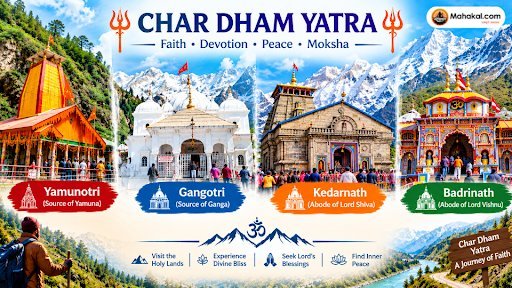
The Uttarakhand Char Dham Yatra consists of four major pilgrimage sites: Yamunotri, Gangotri, Kedarnath, and Badrinath. Each shrine is associated with a different deity and has its own mythology, traditions, and spiritual importance.
For first-time visitors, planning the journey can raise several questions. Where are the four Dhams located? Which months are suitable for travelling? What is the traditional order of darshan? Is registration necessary? How many days should be reserved for the journey?
This comprehensive guide explains the major aspects of the Char Dham Yatra to help pilgrims plan a safer, more comfortable, and spiritually meaningful visit.
1. What Is the Char Dham Yatra?
The Uttarakhand Char Dham Yatra is a pilgrimage covering four sacred Hindu shrines located in the Himalayan region of northern India. It is also commonly called the Uttarakhand Char Dham or Chhota Char Dham Yatra.
The four pilgrimage destinations are:
-
Yamunotri Dham: Dedicated to Goddess Yamuna.
-
Gangotri Dham: Dedicated to Goddess Ganga.
-
Kedarnath Dham: Dedicated to Lord Shiva.
-
Badrinath Dham: Dedicated to Lord Vishnu.
The traditional pilgrimage generally begins at Yamunotri, continues to Gangotri, proceeds to Kedarnath, and concludes at Badrinath. The itinerary may vary depending on road conditions, weather, transport availability, and administrative arrangements.
It is important to distinguish this pilgrimage from the broader Char Dham tradition associated with four major destinations across India: Badrinath, Dwarka, Puri, and Rameswaram.
The Uttarakhand Char Dham Yatra specifically refers to Yamunotri, Gangotri, Kedarnath, and Badrinath.
2. Yamunotri Dham: The Sacred Shrine of Goddess Yamuna
Location of Yamunotri Dham
Yamunotri Dham is located in Uttarkashi district, Uttarakhand, in the Himalayan region. Dedicated to Goddess Yamuna, it is traditionally the first destination of the Char Dham pilgrimage.
According to Hindu tradition, Goddess Yamuna is the daughter of Surya, the Sun God, and the sister of Yama, the deity associated with death and justice.
Devotees worship Goddess Yamuna and seek blessings for well-being, spiritual purification, and protection.
Religious Significance of Yamunotri Temple
Yamunotri is closely associated with the sacred Yamuna River. The temple and its surrounding landscape are known for their mountain scenery and natural hot-water springs.
Surya Kund is one of the well-known hot springs in the area. According to local religious customs, some devotees prepare rice or potatoes in cloth bundles using the hot spring water and offer them as prasad.
Such practices should only be followed where permitted and in accordance with local safety instructions.
For many pilgrims, visiting Yamunotri represents the beginning of a journey of faith, devotion, and self-reflection.
How to Reach Yamunotri for Darshan
Pilgrims generally travel by road to Janki Chatti. From there, the temple is reached by a steep uphill trek of approximately 5–6 kilometres, although route conditions and the exact distance may vary.
Depending on availability and local regulations, authorised assistance such as palkis or pony services may be available for visitors who cannot complete the trek on foot.
Visitors should carry warm clothing, comfortable trekking shoes, drinking water, and necessary medicines. Walking at a manageable pace and taking breaks can make the journey more comfortable.
3. Gangotri Dham: The Sacred Temple of Goddess Ganga
Location of Gangotri Dham
Gangotri Dham is located in Uttarkashi district, Uttarakhand. It is one of the most important pilgrimage sites associated with Goddess Ganga, the sacred river revered throughout Hindu tradition.
The Gangotri Temple stands at an elevation of approximately 3,100 metres above sea level. The surrounding mountains and the flowing Bhagirathi River create a distinctive spiritual atmosphere.
Religious Significance of Gangotri
According to Hindu mythology, King Bhagiratha performed intense penance to bring the sacred Ganga to Earth to liberate the souls of his ancestors.
Pleased by his devotion, Goddess Ganga agreed to descend to Earth. However, the force of her descent was considered too powerful, so Lord Shiva received the river in his matted locks to control its flow.
This story is one of the most important traditions associated with the sacred river. Goddess Ganga is worshipped as a symbol of purity, renewal, and spiritual liberation.
It is also important to understand that visiting Gangotri Temple is different from trekking to Gaumukh, the glacial source area associated with the Bhagirathi River. The Gaumukh route requires separate planning and compliance with applicable permissions and trekking regulations.
Darshan Procedure at Gangotri
Gangotri is generally accessible by road during the pilgrimage season. Devotees visit the temple for prayers, worship, and darshan.
Visitors should follow the designated entry routes, queue arrangements, and temple instructions. The river can have strong currents, so entering the water should never be undertaken without considering local warnings and safety conditions.
As Himalayan weather can change rapidly, warm clothing and rain protection are recommended.
4. Kedarnath Dham: One of the Twelve Jyotirlingas of Lord Shiva
Location of Kedarnath Dham
Kedarnath Dham is located in Rudraprayag district, Uttarakhand, high in the Garhwal Himalayas. It is one of the twelve sacred Jyotirlingas dedicated to Lord Shiva and is among the most important Shiva pilgrimage destinations in India.
The temple stands at an elevation of approximately 3,580 metres above sea level. Its dramatic mountain surroundings and ancient religious traditions make it a significant destination for devotees.
Despite the challenging terrain and high altitude, thousands of pilgrims travel to Kedarnath during the annual pilgrimage season.
Religious Significance of Kedarnath Temple
One of the best-known legends associated with Kedarnath concerns the Pandavas of the Mahabharata.
According to a traditional account, after the Kurukshetra War, the Pandavas sought Lord Shiva's blessings. Shiva initially avoided them and is said to have appeared in the form of a bull.
In the popular legend, the different parts of Shiva's manifestation became associated with the five sacred Kedars, collectively known as Panch Kedar.
Kedarnath is revered as a sacred manifestation of Lord Shiva. For devotees, visiting this temple represents devotion, humility, and a search for spiritual peace.
How to Reach Kedarnath for Darshan
Pilgrims generally travel by road to the Gaurikund area. From there, the traditional trekking route to Kedarnath is approximately 16–18 kilometres, although the operational route and arrangements may vary.
Depending on current availability and regulations, visitors may choose from:
-
Trekking on foot.
-
Authorised pony services.
-
Authorised palki services.
-
Helicopter services operating under the applicable booking and weather conditions.
Helicopter services should be booked through authorised channels. Pilgrims should verify booking details and avoid unverified agents.
Important Safety Tips for Kedarnath
Kedarnath is a high-altitude destination, and the trek requires preparation.
-
Build walking stamina before the journey.
-
Walk at a comfortable pace and take regular breaks.
-
Carry warm clothing, rain protection, and suitable footwear.
-
Stay hydrated and avoid overexertion.
-
Seek immediate assistance if you experience unusual breathlessness, severe headache, confusion, or extreme weakness.
-
Consult a medical professional before travelling if you have significant heart, lung, or other health conditions.
A successful Kedarnath pilgrimage requires both devotion and careful attention to physical safety.
5. Badrinath Dham: The Sacred Abode of Lord Vishnu
Location of Badrinath Dham
Badrinath Dham is situated in Chamoli district, Uttarakhand, on the banks of the Alaknanda River. Dedicated to Lord Vishnu, it is one of India's most important Vaishnava pilgrimage destinations.
The temple stands at an elevation of approximately 3,100 metres and is also popularly known as Badri Vishal.
Religious Significance of Badrinath Temple
Badrinath is deeply associated with the worship of Lord Vishnu.
According to a popular religious legend, Lord Vishnu performed penance in this region. Goddess Lakshmi is believed to have protected him by taking the form of a Badri tree, giving rise to the traditional explanation of the name Badrinath.
The temple houses the revered deity of Lord Vishnu and attracts devotees seeking blessings, peace, and spiritual fulfilment.
Tapt Kund, a natural hot-water spring near the temple, is another well-known feature of the area. Any bathing or ritual activity should follow the current local rules and safety instructions.
Darshan Procedure at Badrinath
Badrinath is generally accessible by road during the pilgrimage season. However, mountain roads can be affected by traffic, landslides, and changing weather conditions.
Once at the temple, pilgrims should follow the designated entry route and queue arrangements. Information about special pujas and rituals should be obtained from official temple sources.
Mana village and other nearby attractions may also be included in the itinerary, depending on road conditions, available time, and local instructions.
6. Best Time to Visit the Char Dham
Choosing the right season is one of the most important parts of planning the Char Dham Yatra. All four shrines are located in the Himalayan region, where snowfall, heavy rain, landslides, and sudden changes in temperature can affect travel.
April/May to June: Beginning of the Pilgrimage Season
The temples traditionally open during the spring or early summer months, with exact dates announced for each year.
Advantages:
-
The beginning of the main pilgrimage season.
-
A popular time for religious visits.
-
Beautiful mountain scenery.
Things to consider:
-
Large crowds may gather around the opening dates.
-
Early mornings and nights can be very cold.
-
Accommodation and transport should be planned in advance.
July to August: Monsoon Season
The monsoon can bring heavy rainfall, landslides, road closures, and delays.
Travellers considering this period should closely monitor official weather forecasts and local administration advisories. If conditions become unsafe, postponing the journey is preferable to continuing through hazardous routes.
September to October: Post-Monsoon Period
This period can offer beautiful mountain views and may be suitable for pilgrims seeking a visit after the main monsoon season.
However, road disruptions can still occur, and temperatures may fall significantly at higher elevations. Since many temples close for winter around October or November, pilgrims should confirm the applicable dates before travelling.
November to March: Winter Season
Heavy snowfall and extreme cold generally prevent regular visits to the four main shrines during winter. Worship may continue at designated winter seats according to the respective temple traditions.
Always confirm the official opening and closing dates for the intended year before finalising your itinerary.
7. Traditional Route and Duration of the Char Dham Yatra
The traditional pilgrimage sequence is:
-
Yamunotri.
-
Gangotri.
-
Kedarnath.
-
Badrinath.
This sequence follows a customary west-to-east progression. Nevertheless, the most practical itinerary depends on your starting point, available time, transport arrangements, and prevailing weather.
A road-based journey commonly requires around 10–12 days or longer. The actual duration depends on travel distances, road conditions, traffic, trekking pace, accommodation, and rest days.
Pilgrims travelling with children or senior citizens should consider keeping additional days available for rest and unexpected delays.
8. How to Register for the Char Dham Yatra
Pilgrims should follow the government registration and verification requirements applicable to the pilgrimage year.
The official Uttarakhand registration portal is:
https://registrationandtouristcare.uk.gov.in/
The general process is as follows:
-
Open the official registration portal.
-
Select the registration or login option.
-
Create an account if required.
-
Plan the tour by entering the travel dates, number of pilgrims, and intended Dhams.
-
Provide the required pilgrim information.
-
Complete the registration process and download the confirmation or Yatra Registration Letter.
-
Carry the required identity documents and registration confirmation during the journey.
-
Complete any verification required at the respective destinations.
Registration procedures, document requirements, and verification arrangements can change. Follow the latest instructions displayed on the official portal.
Pilgrims should avoid unofficial websites and verify the authenticity of travel agents before making payments.
9. What Is the Cost of the Char Dham Yatra?
The total cost varies depending on the departure city, number of travellers, duration, transport, and accommodation preferences.
Major expenses may include:
-
Travel to and from Uttarakhand.
-
Local taxis or buses.
-
Hotel accommodation.
-
Food and drinking water.
-
Pony or palki services, where available.
-
Helicopter services, if selected.
-
Temple-related offerings and personal expenses.
-
An emergency budget for unexpected delays.
Accommodation and transport prices may increase during busy periods, particularly around temple opening dates and peak pilgrimage months.
For a realistic estimate, consider the number of travellers, starting city, number of days, and preferred transport options. Check current prices before booking.
10. Essential Items to Carry
Packing appropriate clothing and essential supplies is important for comfort and safety in the mountains.
Clothing and footwear
-
Warm jackets and woollen clothing.
-
A waterproof jacket or raincoat.
-
Comfortable trekking shoes with good grip.
-
Extra socks and comfortable clothing.
Health and safety
-
Personal prescription medicines.
-
A basic first-aid kit.
-
Drinking water and light snacks.
-
Sunscreen, a hat, and sunglasses.
-
A mobile phone, power bank, and emergency contact details.
Documents
-
Valid photo identification.
-
Yatra registration confirmation.
-
Hotel and transport booking details.
-
Emergency contact information.
Avoid carrying unnecessary luggage. A lightweight backpack is particularly helpful on the Yamunotri and Kedarnath trekking routes.
11. Important Safety Guidelines
Follow these precautions throughout your pilgrimage:
-
Check official weather forecasts and road conditions.
-
Follow instructions issued by local authorities.
-
Keep your registration documents and identification accessible.
-
Allow enough time for travel and darshan.
-
Give your body time to adjust to higher elevations.
-
Do not ignore symptoms of illness or altitude-related problems.
-
Avoid unsafe areas around rivers and hot springs.
-
Do not throw plastic or other waste into the environment.
-
Respect temple traditions and local customs.
-
Book transport and helicopter services through verified channels.
Responsible travel helps protect both pilgrims and the fragile Himalayan environment.
12. Spiritual Significance of the Char Dham Yatra
The Char Dham Yatra is much more than a visit to four temples. For many devotees, it represents a journey of faith, discipline, patience, and inner reflection.
Worship at Yamunotri expresses reverence for Goddess Yamuna. Gangotri celebrates the sacredness of Goddess Ganga. Kedarnath represents devotion to Lord Shiva, while Badrinath is a major centre of worship dedicated to Lord Vishnu.
Together, these destinations reflect the richness and diversity of India's spiritual traditions.
The long journeys, mountain trails, changing weather, and opportunities to help fellow travellers can also encourage patience, humility, and respect for nature.
Religious beliefs are matters of personal faith, and each pilgrim may experience the journey differently. Planning responsibly allows visitors to focus on their spiritual purpose while protecting their health and safety.
Conclusion
The Char Dham Yatra of Uttarakhand is one of India's most celebrated religious pilgrimages. Yamunotri, Gangotri, Kedarnath, and Badrinath each offer a distinct combination of religious significance, ancient traditions, and Himalayan beauty.
Before setting out, choose a suitable season, complete the required registration, arrange accommodation and transport, prepare for high-altitude travel, and follow official safety advisories.
With proper preparation, the Char Dham Yatra can become a memorable opportunity to explore India's spiritual heritage, connect with its sacred traditions, and experience the extraordinary beauty of the Himalayas.
Jai Badri Vishal! Har Har Mahadev! Jai Maa Ganga! Jai Maa Yamuna!
What's Your Reaction?