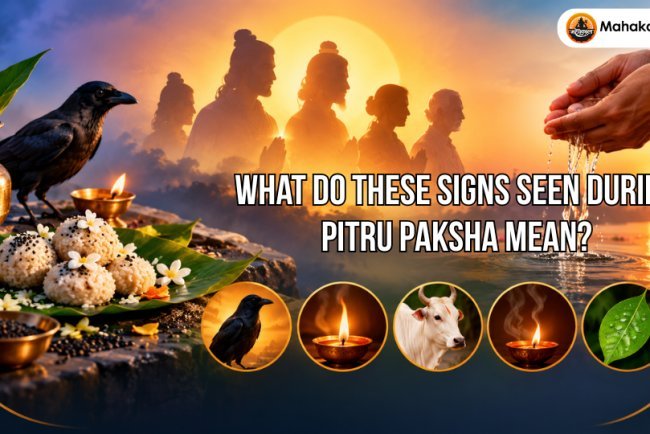
Shraddha Rules: What to Do and What Not to Do During Pitru Paksha
What should you do during Shraddha and Pitru Paksha, and which activities should you avoid? Learn about Pitru Tarpan, Shraddha rituals, charity, sattvic food, prayers and important traditional guidelines.
Content Blog
Shraddha and Pitru Paksha hold an important place in Hindu religious traditions. This period is traditionally associated with remembering ancestors, expressing gratitude toward them and performing rituals such as Tarpan, Shraddha, Pind Daan and charity.
During Shraddha days, the focus is not only on religious rituals but also on maintaining purity in one's food, thoughts, behaviour and daily activities. Customs may differ among families, regions and traditions, so following one's family tradition and guidance from a knowledgeable priest or Acharya can be appropriate.
What Should You Do During Shraddha Days?
1. Remember Your Ancestors with Respect
Shraddha is traditionally associated with remembrance and respect for departed ancestors. Families may spend time remembering their ancestors and expressing gratitude for their lives and contributions.
2. Perform Tarpan and Shraddha Rituals
According to family and regional traditions, Tarpan, Shraddha or Pind Daan may be performed during this period. Such rituals are traditionally carried out with devotion and according to the prescribed customs.
3. Prefer Sattvic and Simple Food
Many Hindu traditions recommend simple and sattvic food during Shraddha. Clean preparation and respectful consumption of food are given importance during this period.
4. Donate According to Your Capacity
Charity is an important part of many Shraddha traditions. People may donate food, clothes, money or useful items according to their ability. Charity is traditionally encouraged without unnecessary display.
5. Follow the Tradition of Feeding Guests or Brahmins
Some families traditionally arrange food for Brahmins, guests or people in need during Shraddha. Such practices can be followed according to family customs and local traditions.
6. Maintain a Peaceful Environment at Home
During Shraddha, maintaining a calm and respectful atmosphere at home can help preserve the spiritual character of the period. Prayer, mantra remembrance or reading religious texts may also be included according to family tradition.
7. Show Compassion Toward Animals and Birds
In several Hindu traditions, offering food to cows, dogs, birds or other living beings is associated with Shraddha observances. Such acts can be performed as expressions of compassion and service.
8. Perform Religious Activities Within Your Means
Shraddha does not necessarily require an expensive ceremony. Traditionally, sincerity, devotion and following one's customs are considered more important than unnecessary expenditure.
What Should You Avoid During Shraddha Days?
1. Avoid Unnecessary Anger and Arguments
Maintaining peace within the family is considered appropriate during Shraddha. Unnecessary arguments, harsh words and angry behaviour should be avoided.
2. Stay Away from Intoxicating and Tamasic Habits
Many traditional practices emphasize a sattvic lifestyle during Shraddha. Therefore, some families avoid alcohol, intoxicants and other activities considered unsuitable during religious observances.
3. Avoid Spending Only for Show
The purpose of Shraddha is traditionally connected with remembrance, gratitude and religious observance rather than social display. Excessive spending merely for appearance is therefore unnecessary.
4. Avoid Wasting Food
Food has special importance during Shraddha observances. It is therefore advisable to prepare food according to actual requirements and avoid unnecessary wastage.
5. Avoid Insulting or Disrespectful Behaviour
Respectful behaviour toward family members, guests and people in need is an important part of maintaining a positive religious atmosphere.
6. Do Not Perform Complex Rituals Without Proper Guidance
Shraddha rituals can vary according to family, region and tradition. Instead of performing complicated rituals based only on incomplete information, it is better to follow one's family customs or consult a knowledgeable Acharya.
Can Auspicious Activities Be Performed During Pitru Paksha?
Beliefs regarding auspicious activities during Pitru Paksha can differ among families and traditions. Pitru Paksha is traditionally regarded as a period dedicated to remembering ancestors, Tarpan and Shraddha rituals. Because of this, many families avoid major ceremonies such as weddings and housewarming ceremonies during this period.
However, practices are not identical everywhere. For a specific ceremony, it is appropriate to consider the family's tradition and seek guidance from a knowledgeable priest or Acharya.
What Is the Most Important Part of Shraddha?
The central idea of Shraddha is traditionally associated with faith, remembrance, gratitude and service. The value of Shraddha does not depend simply on how much money is spent or how elaborate the ceremony is.
According to one's capacity and family tradition, activities such as Tarpan, charity, feeding people, prayer and service can be performed as part of the observance.
Conclusion
During Shraddha days, people traditionally remember their ancestors with respect and try to maintain a peaceful, disciplined and sattvic lifestyle. Tarpan, Shraddha rituals, charity, service and prayer may be performed according to family traditions.
At the same time, unnecessary anger, arguments, intoxicants, excessive display and food wastage can be avoided. The most important principle is to perform Shraddha with devotion, respect and according to one's capacity.
Since customs and ritual procedures may differ across regions and families, specific ceremonies should be performed according to one's family tradition and, when needed, with guidance from a knowledgeable Acharya.
What's Your Reaction?