What Is the Significance of Sankashti Chaturthi? Discover Lord Ganesha’s Puja Vidhi, Vrat Katha and the Mystery of Moonrise!
Discover the significance of Sankashti Chaturthi, Lord Ganesha's puja vidhi, fasting rules, traditional vrat katha, the importance of moonrise, and Ganesh mantras for worship.
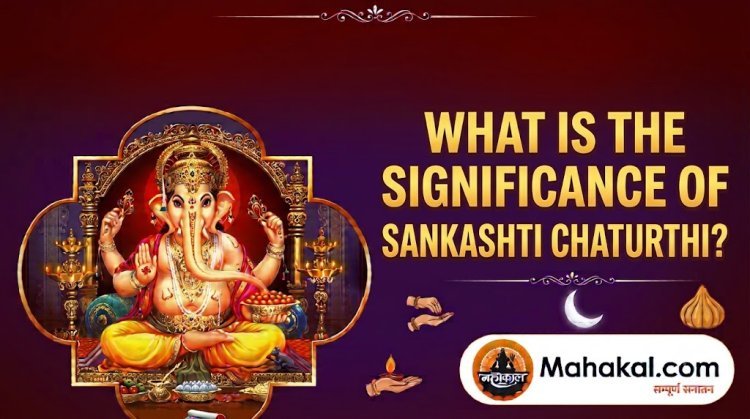
What Is the Significance of Sankashti Chaturthi? Discover Lord
Ganesha’s Puja Vidhi, Vrat Katha and the Mystery of Moonrise!
Hinduism gives a special place to Lord Ganesha, who is widely worshipped as the remover of obstacles and the deity of wisdom, intelligence and auspicious beginnings. Before starting many religious ceremonies, business ventures, family celebrations and other important activities, devotees traditionally remember Lord Ganesha and seek his blessings.
Among the many observances dedicated to Lord Ganesha, Sankashti Chaturthi holds a significant position. This monthly religious observance is traditionally observed on the Chaturthi, or fourth lunar day, of the Krishna Paksha, the waning phase of the Moon.
On this day, devotees worship Lord Ganesha, observe a fast according to their family traditions, listen to the vrat katha and perform evening prayers. In many traditions, the fast is completed after moonrise, when devotees offer Arghya, a ritual offering of water to the Moon.
The word Sankashti is associated with relief from difficulties and the overcoming of obstacles. Therefore, devotees observe this fast with the hope of receiving Lord Ganesha's blessings, developing wisdom and finding strength to face life's challenges.
But what makes Sankashti Chaturthi special? Why is the Moon important in this observance? What is the traditional method of worship, and what lessons can devotees learn from the vrat katha?
Let us explore the religious significance, puja vidhi, fasting rules, traditional story and spiritual meaning of Sankashti Chaturthi in detail.
1. What Is Sankashti Chaturthi?
Sankashti Chaturthi is a monthly Hindu observance dedicated to Lord Ganesha. According to the traditional Hindu lunar calendar, two Chaturthi observances generally occur during each lunar month.
-
Sankashti Chaturthi: Observed on the fourth lunar day of Krishna Paksha, the waning Moon phase.
-
Vinayaka Chaturthi: Generally observed on the fourth lunar day of Shukla Paksha, the waxing Moon phase.
Both observances are associated with Lord Ganesha, but their dates and certain rituals differ.
On Sankashti Chaturthi, devotees pray for wisdom, peace, prosperity and the strength to overcome difficulties. Many people observe a fast throughout the day and perform Ganesh Puja in the evening.
In numerous regional traditions, devotees wait for moonrise, offer water to the Moon and then conclude their fast. The precise timing of the rituals depends on the local lunar calendar and the traditions followed by the family.
When Sankashti Chaturthi falls on a Tuesday, it is known as Angaraki Sankashti Chaturthi. Many devotees consider this occurrence especially auspicious.
2. Religious Significance of Sankashti Chaturthi
The significance of Sankashti Chaturthi extends beyond fasting. It is an opportunity for devotees to remember the qualities associated with Lord Ganesha and reflect on the importance of wisdom, patience, discipline and faith.
Lord Ganesha as Vighnaharta
Lord Ganesha is widely known as Vighnaharta, meaning the remover of obstacles. In Hindu religious tradition, devotees pray to him when facing difficulties, uncertainty or important decisions.
Observing Sankashti Chaturthi is a way to express faith and seek divine guidance during challenging times.
The spiritual message is also practical: instead of becoming discouraged by obstacles, a person should approach problems with patience, careful thinking and determination.
A Symbol of Wisdom and Intelligence
Lord Ganesha is associated with knowledge, intellect and sound judgment. Devotees pray for the ability to distinguish right from wrong and make thoughtful decisions.
The observance encourages people to develop these qualities in their daily lives, whether they are studying, working, managing a family or pursuing a personal goal.
Prayers for Family Peace and Prosperity
Many households observe Sankashti Chaturthi for the well-being of their families. Devotees pray for harmony, good fortune, the welfare of children and a peaceful home.
Family members may participate in the puja together, listen to the vrat katha and sing devotional hymns.
Self-Discipline and Mental Focus
Fasting, prayer and mantra chanting can provide an opportunity to practise self-discipline and spend time in reflection.
The spiritual purpose of a fast is not limited to abstaining from food. Many devotees also try to control anger, avoid hurtful speech and cultivate kindness.
Faith During Difficult Times
Sankashti Chaturthi reminds devotees to remain hopeful when circumstances become challenging. Worshipping Lord Ganesha represents a prayer for courage, clarity and the ability to make better choices.
The observance combines devotion with a commitment to responsible action.
3. Puja Samagri for Sankashti Chaturthi
The following items are commonly used for Lord Ganesha's worship:
-
An idol or picture of Lord Ganesha
-
Clean water and a water vessel
-
Roli or kumkum
-
Akshat, or unbroken rice grains
-
Red or yellow flowers
-
Durva grass
-
Incense sticks and a lamp
-
Fruits
-
Modak or laddoo
-
Clean cloth for the puja area
-
An aarti plate
-
A vessel containing water for offering Arghya to the Moon
The exact list may differ according to regional customs and family traditions. Devotees can perform a simple puja with the items available to them. Expensive offerings are not essential to express sincere devotion.
4. Sankashti Chaturthi Puja Vidhi: Step-by-Step Guide
Step 1: Wake Up, Bathe and Take a Vrat Sankalp
Begin the day by waking up early and bathing. Wear clean clothes and prepare yourself for worship.
Sit before Lord Ganesha's idol or picture and take a sincere sankalp, or religious resolve, to observe the fast according to your capacity and family tradition.
You may pray for wisdom, peace, family well-being and the strength to overcome difficulties.
Step 2: Clean the Puja Area
Clean the home temple or designated place of worship. Arrange the idol or picture of Lord Ganesha respectfully.
A clean and peaceful environment helps devotees concentrate on their prayers.
Step 3: Offer Flowers, Durva and Akshat
Begin the puja by offering water, flowers, akshat and durva grass according to your tradition.
Durva grass has a special place in many forms of Ganesh worship. Red flowers, fruits and traditional sweets may also be offered.
Light an oil or ghee lamp and incense if these are part of your usual puja practice.
Step 4: Chant Lord Ganesha's Mantra
Mantra chanting is an important part of Ganesh Puja.
One of the most widely used mantras is:
Om Gam Ganapataye Namah.
Devotees may chant this mantra 11, 21, 51 or 108 times, depending on their preference and tradition. The number is not universally compulsory.
You may also recite the Ganesh Atharvashirsha, Ganesh Chalisa or other devotional prayers.
Step 5: Listen to the Sankashti Chaturthi Vrat Katha
After the puja, devotees traditionally read or listen to the Sankashti Chaturthi vrat katha.
Religious stories are an important part of Hindu observances because they communicate spiritual values through memorable narratives.
The story may focus on faith, devotion, patience, the blessings of Lord Ganesha or the importance of righteous conduct.
Step 6: Perform Ganesh Aarti
Conclude the main puja by performing Lord Ganesha's aarti. Family members may participate together and sing traditional devotional hymns.
After the aarti, pray for wisdom, peace and the ability to act responsibly. Devotees may also seek forgiveness for mistakes and express gratitude for the blessings they have received.
Step 7: Offer Arghya to the Moon
In many traditions, devotees wait until moonrise before concluding the Sankashti Chaturthi fast.
After the Moon becomes visible, they offer water as Arghya and pray according to their family customs.
The fast is generally concluded after this ritual, although details can differ by region and tradition.
Moonrise timings vary by date and location. Therefore, devotees should consult a reliable local Panchang rather than relying on a time published for another city.
5. Fasting Rules for Sankashti Chaturthi
Fasting practices differ among households and regional traditions. Some devotees observe a strict fast, while others consume fruits, milk or other permitted foods.
Common practices include the following:
-
Maintain cleanliness and a peaceful state of mind.
-
Worship Lord Ganesha with devotion.
-
Follow the fasting method customary in your family.
-
Avoid unnecessary arguments, anger and hurtful speech.
-
Read or listen to the vrat katha.
-
Perform Moon worship and offer Arghya according to your tradition.
-
Conclude the fast at the appropriate time according to your customary practice.
Health and fasting: A strict or waterless fast is not necessary for everyone. Children, pregnant women, older adults and people with medical conditions should prioritise their health and hydration. Religious observance should be adapted responsibly to individual needs.
The central purpose of the observance is devotion and self-discipline, not putting one's health at risk.
6. Sankashti Chaturthi Vrat Katha
Different regions and religious traditions preserve different versions of Sankashti Chaturthi stories. The following is a simple devotional story illustrating the values associated with worshipping Lord Ganesha. It is an illustrative retelling, not a verbatim quotation from a particular scripture.
A Devotional Story of Faith and Lord Ganesha's Blessings
Once upon a time, there lived a family in a small town. The family believed in Lord Ganesha and regularly prayed to him. However, they continued to experience difficulties. Their work did not always succeed, financial worries troubled them and disagreements sometimes disturbed the peace of their home.
An elderly woman in the family was a devoted worshipper of Lord Ganesha. She encouraged everyone to remain patient and face challenges with wisdom rather than fear.
One day, she advised the family to observe Sankashti Chaturthi and pray to Lord Ganesha. She explained that the deeper meaning of the fast was not merely to abstain from food. It was also an opportunity to practise self-control, maintain faith and commit to good actions.
The family decided to observe the fast according to their capacity. They cleaned their place of worship, offered flowers and durva to Lord Ganesha, chanted his mantra and listened to a devotional story.
They also made a promise to one another: they would work honestly, spend money carefully, treat each other with respect and avoid unnecessary conflicts.
As time passed, the family began approaching its problems more thoughtfully. They planned their expenses, worked diligently and resolved disagreements through calm discussions.
Gradually, their circumstances improved. The family regarded this change as a blessing from Lord Ganesha and a result of their faith, unity and sincere efforts.
From that time onward, they continued observing Sankashti Chaturthi with devotion and gratitude.
Moral of the Story
The story teaches that faith is strengthened by patience, wisdom and responsible action.
Lord Ganesha represents intelligence and the ability to overcome obstacles. Remembering him can inspire devotees to remain calm, make thoughtful decisions and continue working towards their goals.
The deeper value of a religious observance lies not only in performing rituals but also in practising kindness, honesty, discipline and respect in everyday life.
7. Why Is Moonrise Important on Sankashti Chaturthi?
Moonrise is one of the most recognisable features of Sankashti Chaturthi observance.
In many Hindu traditions, devotees complete their fast after seeing the Moon and offering Arghya. This ritual is closely associated with the traditional timing of the observance.
The Moon also holds symbolic importance in Indian religious and cultural traditions. It is often associated with calmness, coolness and the mind.
For devotees, Moon worship marks an important part of the evening ritual and provides a moment to express gratitude and complete the fast.
However, the Moon does not rise at the same time everywhere. Its timing changes with the date and geographical location. Weather conditions and clouds may also affect visibility.
For this reason, devotees should consult a trusted Panchang for their city and follow their family or regional tradition if the Moon is not visible.
8. What Is Angaraki Sankashti Chaturthi?
When Sankashti Chaturthi falls on a Tuesday, it is traditionally called Angaraki Sankashti Chaturthi.
Tuesday is associated with Mars in Indian astrological traditions, and Angaraki Sankashti Chaturthi is regarded by many devotees as a particularly auspicious occasion for worshipping Lord Ganesha.
On this day, some devotees perform special Ganesh Puja, chant mantras, observe a fast and engage in charitable activities.
Many people believe that the observance offers a special opportunity to pray for the removal of obstacles and the development of courage and determination.
As with other Hindu observances, the exact date and ritual timings should be checked using a reliable local Panchang.
9. What Should Be Offered to Lord Ganesha?
Several offerings are traditionally associated with Lord Ganesha's worship.
Durva Grass
Durva grass is an important offering in many Ganesh Puja traditions. Devotees offer it with prayers and reverence.
Modak
Modak is widely associated with Lord Ganesha and is often offered as a devotional sweet.
Laddoo
Laddoos are another popular offering. Different families use different varieties depending on their customs.
Flowers
Red and yellow flowers are commonly used during worship. Devotees may offer whichever suitable flowers are available.
Fruits
Fresh seasonal fruits can be offered as part of the puja.
Lamp and Incense
Lighting a lamp and incense is a common way of beginning or accompanying the worship.
The most important aspect is sincere devotion. A simple offering made with faith is appropriate for devotees who cannot arrange elaborate puja materials.
10. What Should Devotees Do and Avoid on Sankashti Chaturthi?
Recommended Practices
-
Remember Lord Ganesha through prayer and mantra chanting.
-
Observe the fast according to your capacity.
-
Read or listen to the vrat katha.
-
Perform aarti and offer prayers with devotion.
-
Help people in need whenever possible.
-
Maintain peace and respect within the family.
-
Use the occasion to reflect on personal habits and make positive resolutions.
Practices to Avoid
-
Avoid performing rituals carelessly or in unnecessary haste.
-
Try to avoid anger, harsh speech and unnecessary arguments.
-
Do not pressure others to follow your particular fasting practice.
-
Do not undertake a strict fast that could harm your health.
-
Do not assume that Moon timing is identical in every city.
Religious customs can differ between families and regions. Devotees should respect these differences and follow a trusted local Panchang for ritual timings.
11. Important Lord Ganesha Mantras for Sankashti Chaturthi
Devotees can chant the following mantras during their worship.
1. Ganesh Beej Mantra
Om Gam Ganapataye Namah.
This is a widely recited mantra dedicated to Lord Ganesha. Devotees chant it while praying for wisdom, auspicious beginnings and strength to face difficulties.
2. Vakratunda Mahakaya Mantra
Vakratunda Mahakaya Suryakoti Samaprabha,
Nirvighnam Kuru Me Deva Sarvakaryeshu Sarvada.
The prayer asks Lord Ganesha, whose radiance is compared to millions of Suns, to help remove obstacles from one's undertakings.
The mantras may be recited quietly at home or as part of the family puja. Devotees should focus on sincerity and concentration rather than treating a particular repetition count as universally compulsory.
12. Spiritual Benefits of Observing Sankashti Chaturthi
According to Hindu religious beliefs, observing Sankashti Chaturthi is a way to seek Lord Ganesha's blessings and pray for relief from difficulties.
The observance also offers several opportunities for spiritual reflection.
Mental Focus
Prayer, mantra chanting and quiet reflection allow devotees to set aside distractions and focus on their thoughts and intentions.
Self-Discipline
Following a chosen fasting routine can help a person practise discipline and consistency, provided it is suitable for their health.
Positive Thinking
Remembering Lord Ganesha as the deity of wisdom can encourage devotees to approach challenges with patience and a constructive attitude.
Family Togetherness
Performing aarti, listening to stories and praying together can strengthen family bonds and create shared religious experiences.
Gratitude and Reflection
The observance provides an opportunity to express gratitude, review one's behaviour and resolve to act with greater kindness and responsibility.
These benefits should be understood within their religious and personal context. Fasting does not scientifically guarantee that every difficulty will disappear or that a particular material outcome will occur.
13. Difference Between Sankashti Chaturthi and Vinayaka Chaturthi
Both Sankashti Chaturthi and Vinayaka Chaturthi are dedicated to Lord Ganesha, but they occur during different lunar phases.
| Feature | Sankashti Chaturthi | Vinayaka Chaturthi |
|---|---|---|
| Lunar phase | Krishna Paksha, the waning phase | Shukla Paksha, the waxing phase |
| Lunar day | Chaturthi | Chaturthi |
| Common observance | Fasting, Ganesh Puja and Moon worship | Ganesh Puja and fasting |
| Devotional focus | Seeking strength to overcome difficulties | Seeking wisdom, auspiciousness and well-being |
The major annual Ganesh Chaturthi festival, widely celebrated during Bhadrapada, is a separate festival observance and should not be confused with every monthly Vinayaka Chaturthi.
14. When Should the Sankashti Chaturthi Fast Be Broken?
In many traditions, devotees break their Sankashti Chaturthi fast after moonrise, following Moon worship and the offering of Arghya.
The exact procedure can vary by region and family custom. Some traditions also prescribe particular foods or additional prayers when concluding the fast.
Before observing the fast, check the Chaturthi tithi and Moonrise timing for your city. The tithi and local ritual timings should be determined using a reliable Panchang.
If the Moon is not visible because of clouds or other conditions, follow the guidance of your family tradition or a trusted religious authority rather than assuming that a rule used in another region applies everywhere.
Conclusion
Sankashti Chaturthi is an important monthly observance dedicated to Lord Ganesha. It offers devotees an opportunity to express their faith, practise self-discipline and pray for wisdom, peace and the strength to face life's challenges.
On this day, devotees traditionally perform Ganesh Puja, offer durva and modak, chant sacred mantras, listen to the vrat katha and observe Moon-related rituals according to their traditions.
The significance of Sankashti Chaturthi lies not only in its rituals but also in the values associated with Lord Ganesha: intelligence, patience, humility and the ability to overcome obstacles through thoughtful action.
By combining devotion with honesty, kindness and responsible behaviour, devotees can carry the spiritual message of this observance into their everyday lives.
Ganpati Bappa Morya! May Lord Ganesha bless everyone with wisdom, peace and auspicious beginnings.
What's Your Reaction?