The Mystery of Ujjain's Navgraha Temple: Discover the Religious Significance of Worshipping the Nine Planets
Discover the religious significance of Ujjain's Navgraha Temple, the nine planetary deities, traditional worship rituals, astrological beliefs and the importance of Navgraha Puja in Hinduism.
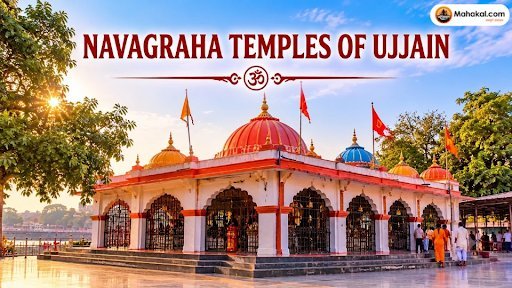
Ujjain, one of the most sacred cities in Madhya Pradesh, is widely known as the city of Lord Mahakal. Apart from the famous Mahakaleshwar Jyotirlinga, the city is also associated with several religious traditions connected with astrology, astronomy and ancient Hindu beliefs.
Among these traditions, the worship of the Navgrahas, or nine planetary deities, holds a special place. In Hindu astrology, these nine celestial bodies are believed to influence different aspects of human life, including personality, career, finances, relationships and spiritual development.
Devotees worship the Navgrahas with the hope of seeking peace, prosperity and positive energy.
What Is the Navgraha Temple?
A Navgraha Temple is a place of worship dedicated to the nine planetary deities mentioned in Hindu astrology.
The nine Navgrahas are:
-
Surya – The Sun
-
Chandra – The Moon
-
Mangal – Mars
-
Budh – Mercury
-
Brihaspati – Jupiter
-
Shukra – Venus
-
Shani – Saturn
-
Rahu – North Lunar Node
-
Ketu – South Lunar Node
Each planet has its own religious and astrological significance. Devotees perform Navgraha Puja, chant specific mantras and offer donations according to traditional beliefs.
Ujjain has been an important centre of Indian religious and astronomical traditions for centuries.
Religious Significance of Navgraha Worship in Ujjain
Ujjain holds a special place in India's traditional understanding of astrology and astronomy. Historically, the city was associated with astronomical calculations, timekeeping and the preparation of traditional calendars.
Devotees believe that worshipping the nine planetary deities can help reduce the influence of unfavourable planetary positions and bring harmony into their lives.
Navgraha Puja is therefore performed by people seeking spiritual peace, prosperity and well-being.
These beliefs are part of religious and astrological traditions and should not be considered scientifically established predictions or guarantees.
The Importance of the Nine Planets
1. Surya Dev – The Symbol of Energy and Authority
Surya, the Sun God, is regarded as the king of the Navgrahas. He represents energy, confidence, leadership, health and recognition.
Offering water to the Sun on Sunday morning is a traditional Hindu practice. Devotees also chant Surya mantras to seek strength and positivity.
2. Chandra Dev – The Symbol of Mind and Emotions
Chandra, the Moon God, is associated with the mind, emotions, mental peace and motherhood.
According to astrological beliefs, the Moon influences a person's emotional nature and mental tendencies.
Worshipping Lord Shiva on Mondays and remembering Chandra Dev are considered auspicious traditions.
3. Mangal Dev – The Symbol of Courage and Strength
Mangal, or Mars, represents courage, energy, determination, land and physical strength.
People who believe they have Mangal Dosha in their birth chart may perform traditional prayers and rituals for its pacification.
Worshipping Lord Hanuman on Tuesdays is a popular religious practice.
4. Budh Dev – The Symbol of Intelligence and Business
Budh, or Mercury, is associated with intelligence, communication, education, reasoning and business activities.
According to Hindu astrological traditions, a favourable Mercury is believed to support communication skills and decision-making abilities.
Devotees often worship Lord Ganesha on Wednesdays and chant Budh mantras.
5. Brihaspati Dev – The Symbol of Knowledge and Wisdom
Brihaspati, also known as Devguru, is regarded as the teacher of the gods.
He is associated with knowledge, education, religion, marriage, children and spiritual growth.
Thursday is traditionally considered an auspicious day for worshipping Lord Vishnu and Brihaspati Dev.
6. Shukra Dev – The Symbol of Luxury and Prosperity
Shukra, or Venus, represents beauty, love, luxury, artistic talents, relationships and material comforts.
Devotees worship Goddess Lakshmi on Fridays and may donate white-coloured items as part of traditional religious practices.
7. Shani Dev – The Symbol of Justice and Karma
Shani Dev is regarded as the deity of justice and karma. According to Hindu beliefs, he rewards individuals according to their actions.
Saturday is traditionally dedicated to Shani Dev. Devotees offer prayers, donate useful items and help people in need.
The worship of Shani Dev also reminds people of the importance of discipline, honesty and good deeds.
8. Rahu – The Shadow Planet of Mystery
Rahu is known as a shadow planet in Hindu astrology. It is associated with ambition, sudden changes, confusion and unexpected situations.
Traditional remedies related to Rahu include mantra chanting, charitable donations and prayers to Lord Shiva.
9. Ketu – The Symbol of Spirituality and Detachment
Ketu is another shadow planet in Hindu astrology. It is associated with detachment, spirituality, meditation, inner knowledge and liberation.
Devotees may worship Lord Ganesha, chant Ketu mantras and help people in need as part of traditional practices.
How Is Navgraha Puja Performed?
Navgraha Puja is performed to seek the blessings of all nine planetary deities. The exact rituals may differ according to regional traditions and the guidance of the priest.
A general Navgraha Puja may include:
-
Taking a bath and wearing clean clothes.
-
Lighting a lamp and incense at the place of worship.
-
Offering prayers to Lord Ganesha and the family deity.
-
Invoking and worshipping the nine planetary deities.
-
Chanting the respective planetary mantras.
-
Offering flowers, fruits and other traditional items.
-
Performing the final aarti and prayer.
People planning a special Navgraha ritual can consult an experienced priest for the appropriate procedure.
Importance of Charity During Navgraha Puja
Charity, or Daan, is considered an important part of Hindu religious traditions. Different objects are traditionally associated with the nine planets.
-
Surya: Wheat and jaggery.
-
Chandra: Rice and white clothes.
-
Mangal: Red clothes and lentils.
-
Budh: Green gram and green clothes.
-
Brihaspati: Yellow items and chickpeas.
-
Shukra: White clothes and rice.
-
Shani: Black sesame seeds and useful items for people in need.
-
Rahu: Black sesame seeds and blankets.
-
Ketu: Blankets and charitable assistance.
Donations should always be made according to one's ability and with a sincere intention to help others.
The Ancient Connection Between Ujjain and Astronomy
Ujjain is not only an important religious destination but also has a remarkable connection with India's ancient astronomical traditions.
The city is historically associated with astronomical calculations and traditional timekeeping. One of its notable historical landmarks is the Ujjain Observatory, also known as Jantar Mantar.
The observatory contains instruments that were used to study the movement and position of celestial bodies and calculate time.
This historical connection makes Ujjain an important destination for understanding India's traditional relationship with astronomy, astrology and religious practices.
Conclusion
The Navgraha worship tradition reflects the deep connection between Hindu spirituality, astrology and religious beliefs. Each of the nine planetary deities has its own significance in traditional Hindu teachings.
Devotees worship the Navgrahas with the hope of receiving peace, prosperity and positive energy in their lives.
Beyond rituals and prayers, the deeper message of this tradition is to follow good karma, maintain discipline, help others and live with honesty.
Ujjain continues to preserve its rich religious and astronomical heritage, attracting devotees and spiritual seekers from different parts of India.
What's Your Reaction?